
Cutting & Slicing
Outlook: Predictive Maintenance for Slicing Lines
Predictive maintenance shifts slicing line care from scheduled checks to condition-based actions. It uses sensor data to detect early blade wear, motor strain, and

Explore techniques, machine types, and maintenance tips for accurate, hygienic cutting and slicing in food production lines.
Predictive maintenance shifts slicing line care from scheduled checks to condition-based actions. It uses sensor data to detect early blade wear, motor strain, and
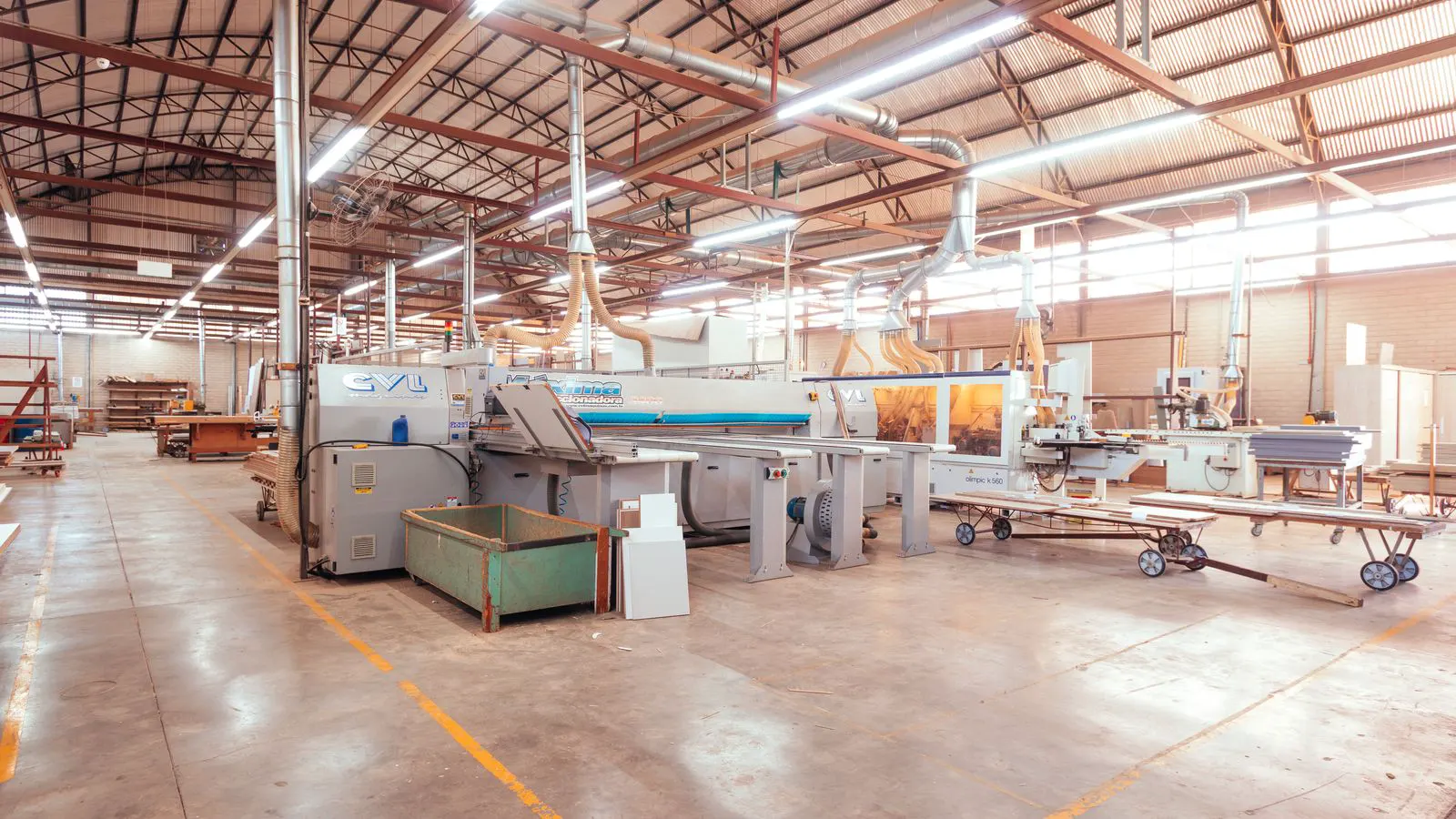
Choose slicing equipment by matching the machine's throughput rating to your actual plant output. Evaluate blade type, feed rate, and maintenance access based on your
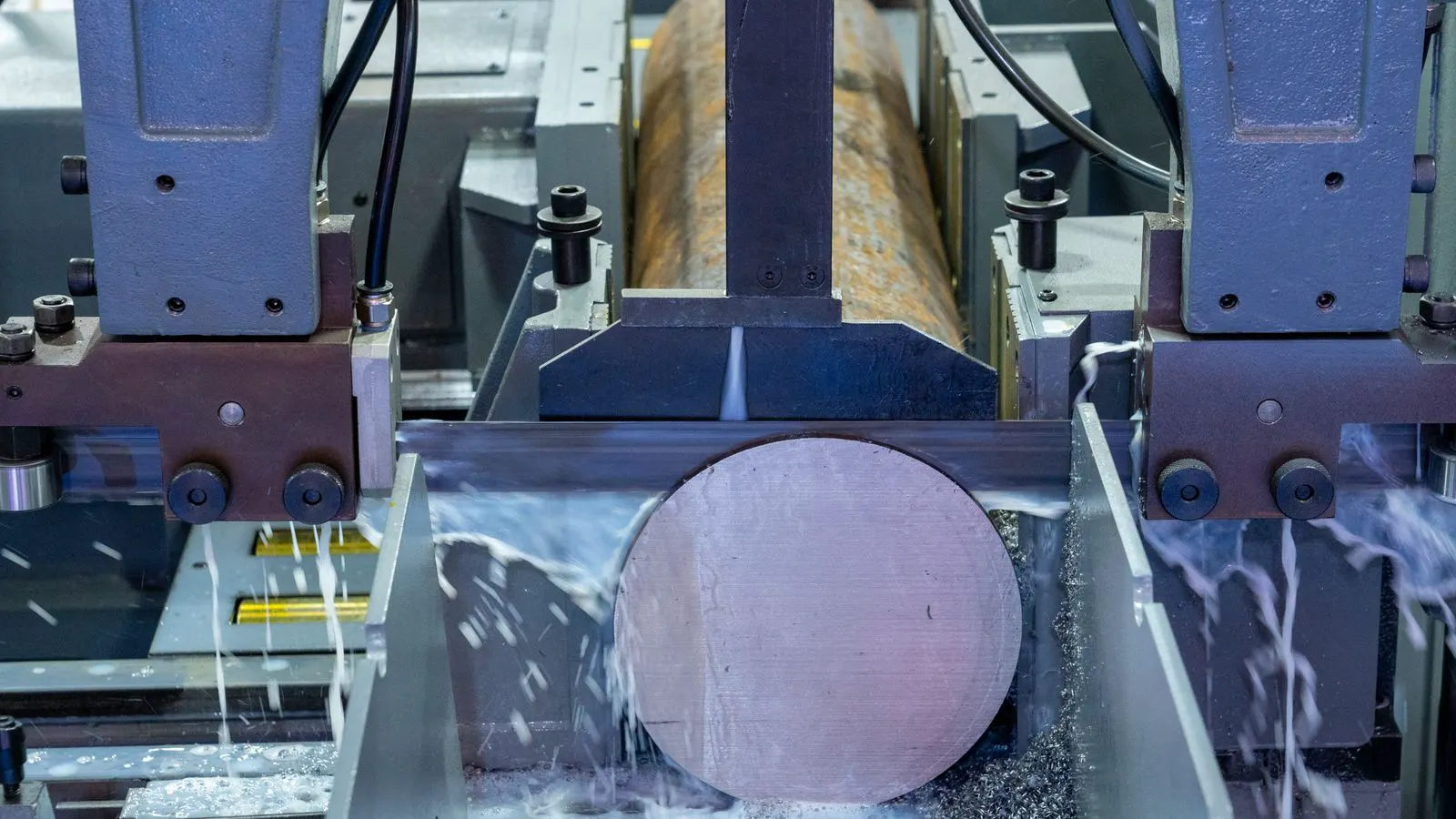
A guillotine slicer delivers straight, clean cuts on solid items. A band slicer handles irregular shapes and high-volume continuous processing. Choose based on product
Reduce product debris by aligning blades, controlling feed rates, and maintaining proper guard tension. These steps cut slicing waste and improve hygiene in your
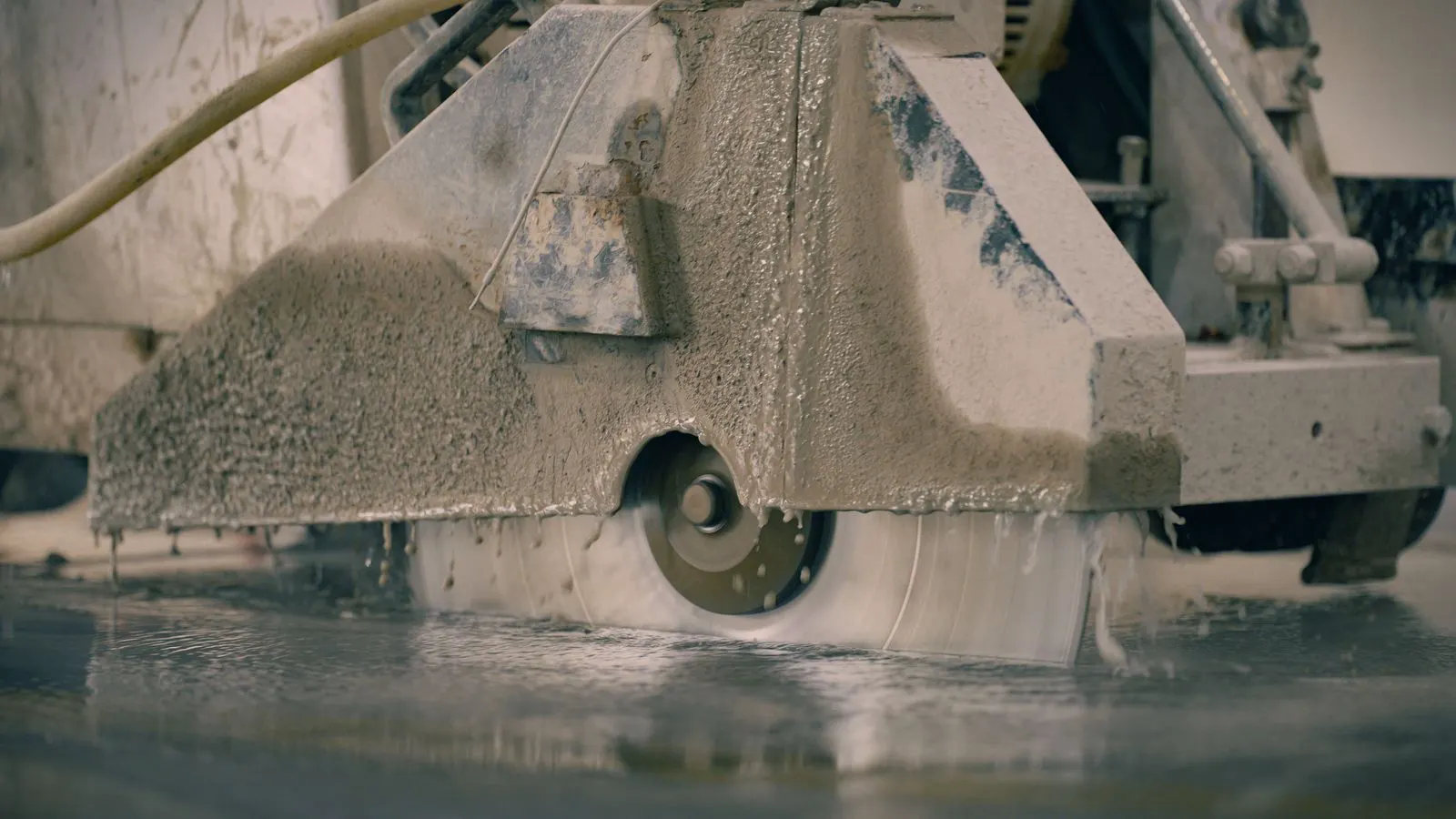
This guide provides a practical audit checklist for verifying blade alignment in slicers. It covers mechanical checks, visual inspections, and safety measures to ensure

Slicing line cost depends heavily on throughput requirements, automation levels, material specifications, and required hygienic features. Equipment lead time varies

Band slicers cut long products with a moving blade; rotary slicers cut round or block items with a fixed blade. Choice depends on product shape, volume, and line layout.
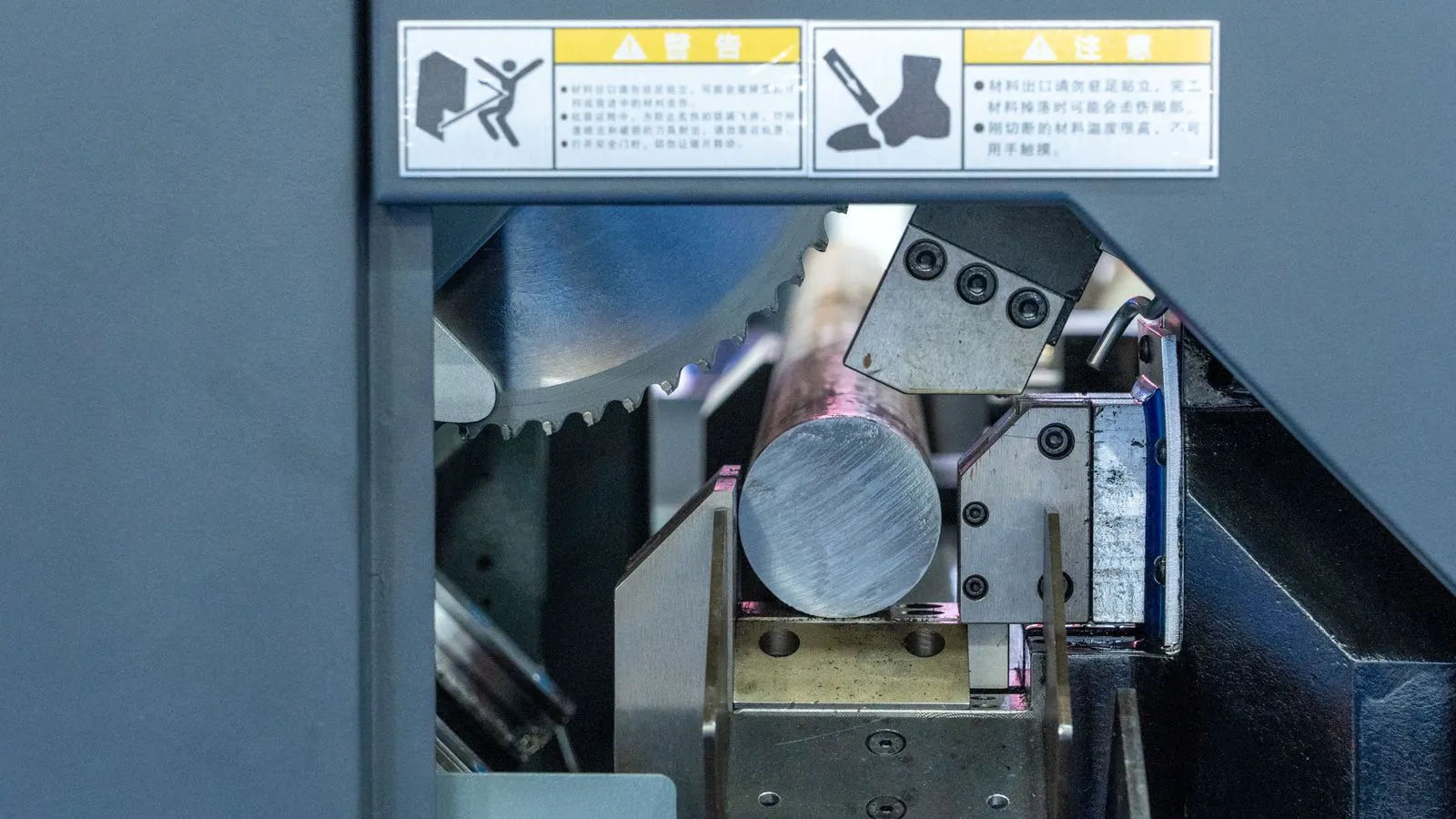
To evaluate cutting machines, buyers must compare feed speed, blade width, frame load, and motor power against their specific production volume and product type. This
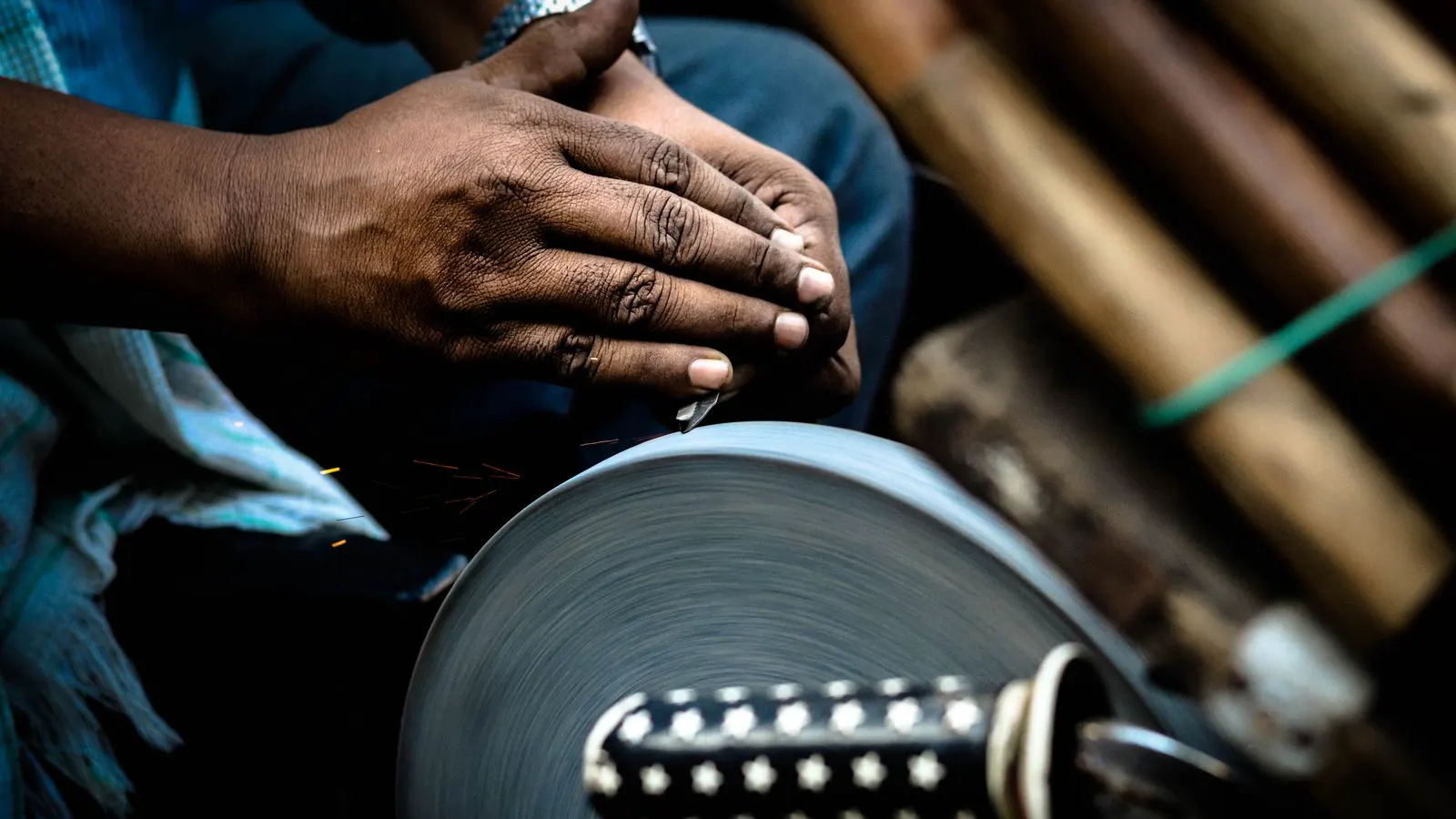
Proper blade maintenance keeps slicers accurate and safe. This guide covers prerequisites, step by step sharpening, and verification methods. Follow these safety

A round slicer excels at high-volume, uniform slices for deli meats and cheeses. A guillotine cutter is better for block products and smaller batches. The right choice
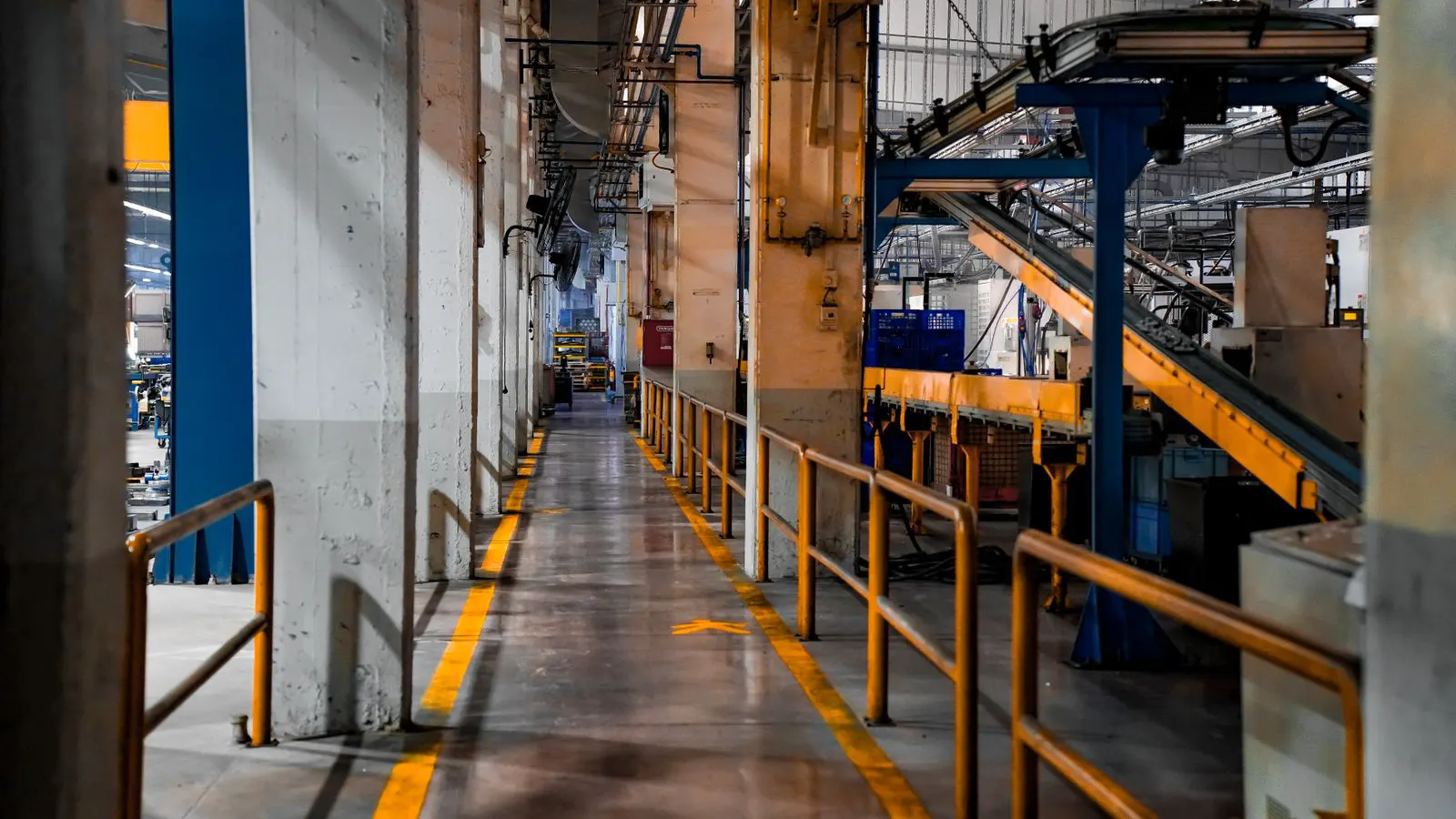
A functional slicing line layout balances equipment placement with workflow needs. Proper spacing prevents bottlenecks and allows safe maintenance. This guide provides a

Hygienic cutting tools are selected by their construction, materials, and sanitation design features. This guide explains how these elements reduce contamination risks