


Food Safety Standards
Explainer: What Is Dead Space in Food Contact Surfaces
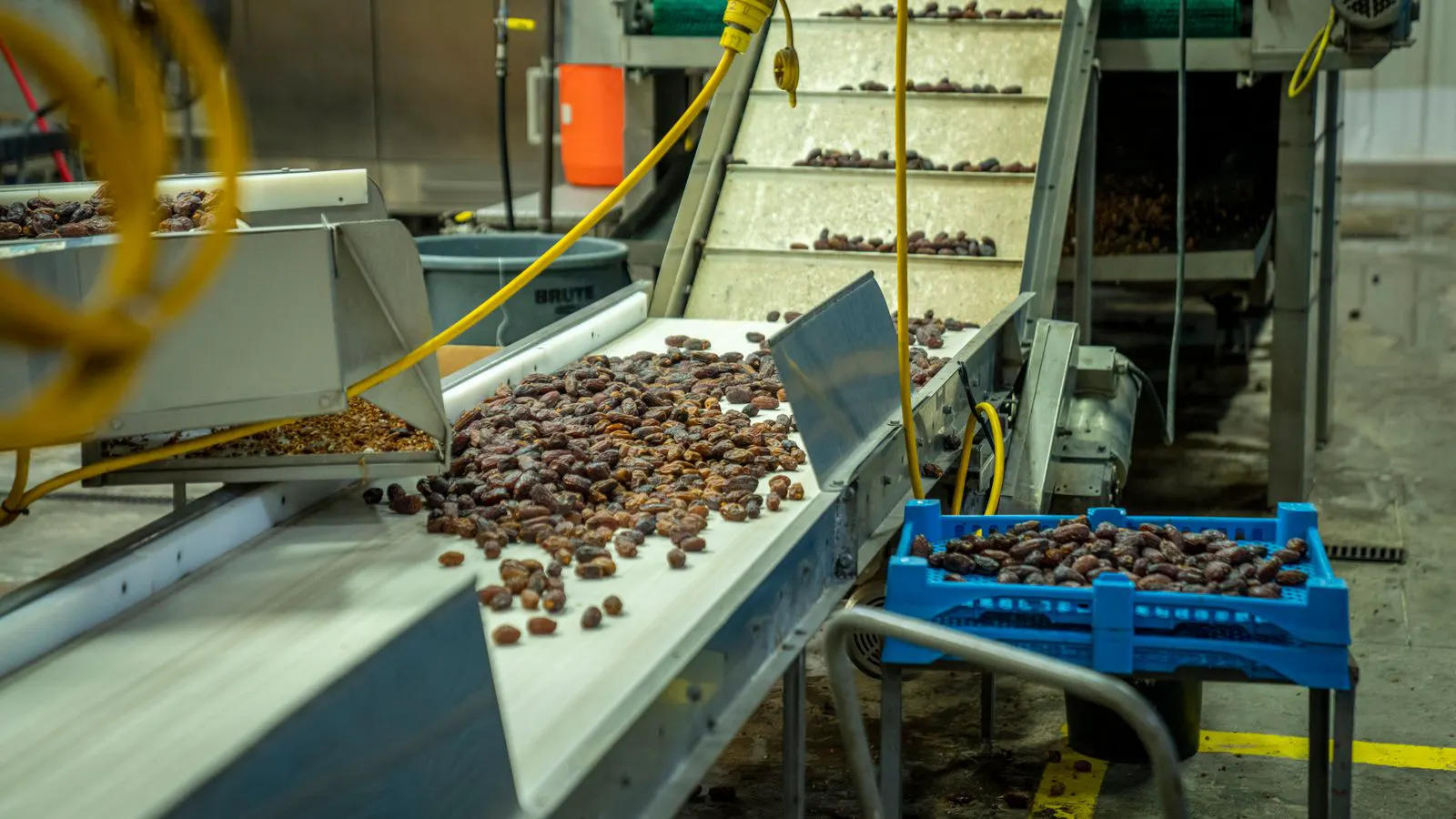
Dead space refers to recessed or inaccessible areas within food contact surfaces. These hidden zones trap product, moisture, and biofilm, making sanitation difficult.
Practical machinery guides for food processing buyers and engineers
Start with the stage of the sourcing process you are in.
Explore techniques, machine types, and maintenance tips for accurate, hygienic cutting and slicing in food production lines.
Understand mixers, cookers, and thermal processes to achieve consistent texture, flavor, and safe food preparation at scale.
Review sterilization and pasteurization methods, process parameters, and equipment selection for safe shelf-stable food products.
Learn design principles, materials, and cleaning requirements that reduce contamination risk and support food safety compliance.
Get clear overviews of key food safety and quality standards that guide machinery selection, design, and operational compliance.
Examine cost factors, operating efficiency, and return on investment considerations when evaluating food processing machinery.
Use practical criteria such as support, documentation, and performance data to select reliable food machinery suppliers.
Food processing buyers face many technical choices before they sign a purchase order. This site covers the decisions that matter most: supplier capability, equipment specifications, quality checks, capital cost, and lead time. It focuses on practical guidance for engineers and procurement teams planning a new line or replacing existing units.
The content is organized by machine type and function, from cutting and slicing to sterilization and hygiene design. Each section explains how to evaluate performance, verify standards compliance, and compare options without relying on vendor brochures. The goal is to give readers a clear basis for technical discussions and final selection.
Evaluate throughput capacity, material compatibility, hygiene design, maintenance requirements, and total cost of ownership. Verify that the equipment meets applicable food safety standards and can integrate with your existing line.
Request technical specifications, reference data, and case studies. Assess the supplier's service network, spare parts availability, and training support. Compare total cost, including installation and commissioning, not just the purchase price.
Hygienic design refers to the construction of equipment to allow easy cleaning and prevent product contamination. Key features include smooth surfaces, minimal crevices, and accessible components. Look for designs that support CIP systems and meet food contact material requirements.
Estimate the capital cost, installation expenses, and operating costs. Project the expected benefits, such as increased throughput, reduced labor, or lower energy consumption. Divide the net annual benefit by the total investment to estimate the payback period.
Requirements vary by region and product type. Common standards cover sanitation, material safety, and process validation. Review applicable regulations for your market and ensure the equipment supports your HACCP plan and cleaning procedures.
Lead times depend on the machine type, customization needs, and supplier capacity. Standard equipment may take several months to deliver and install. Custom or specialized systems require longer timelines. Plan your project schedule accordingly to avoid production delays.
Dead space refers to recessed or inaccessible areas within food contact surfaces. These hidden zones trap product, moisture, and biofilm, making sanitation difficult.