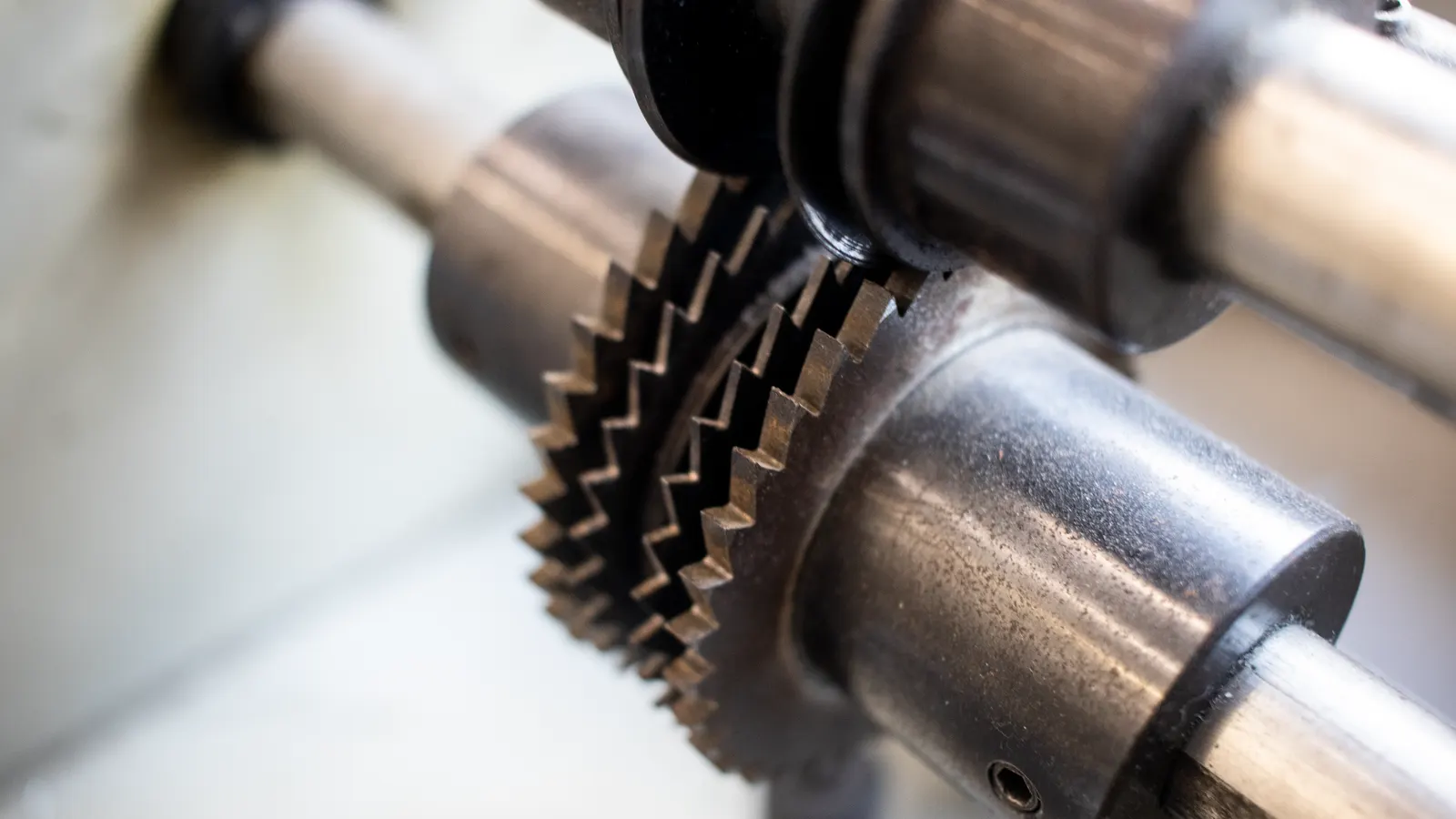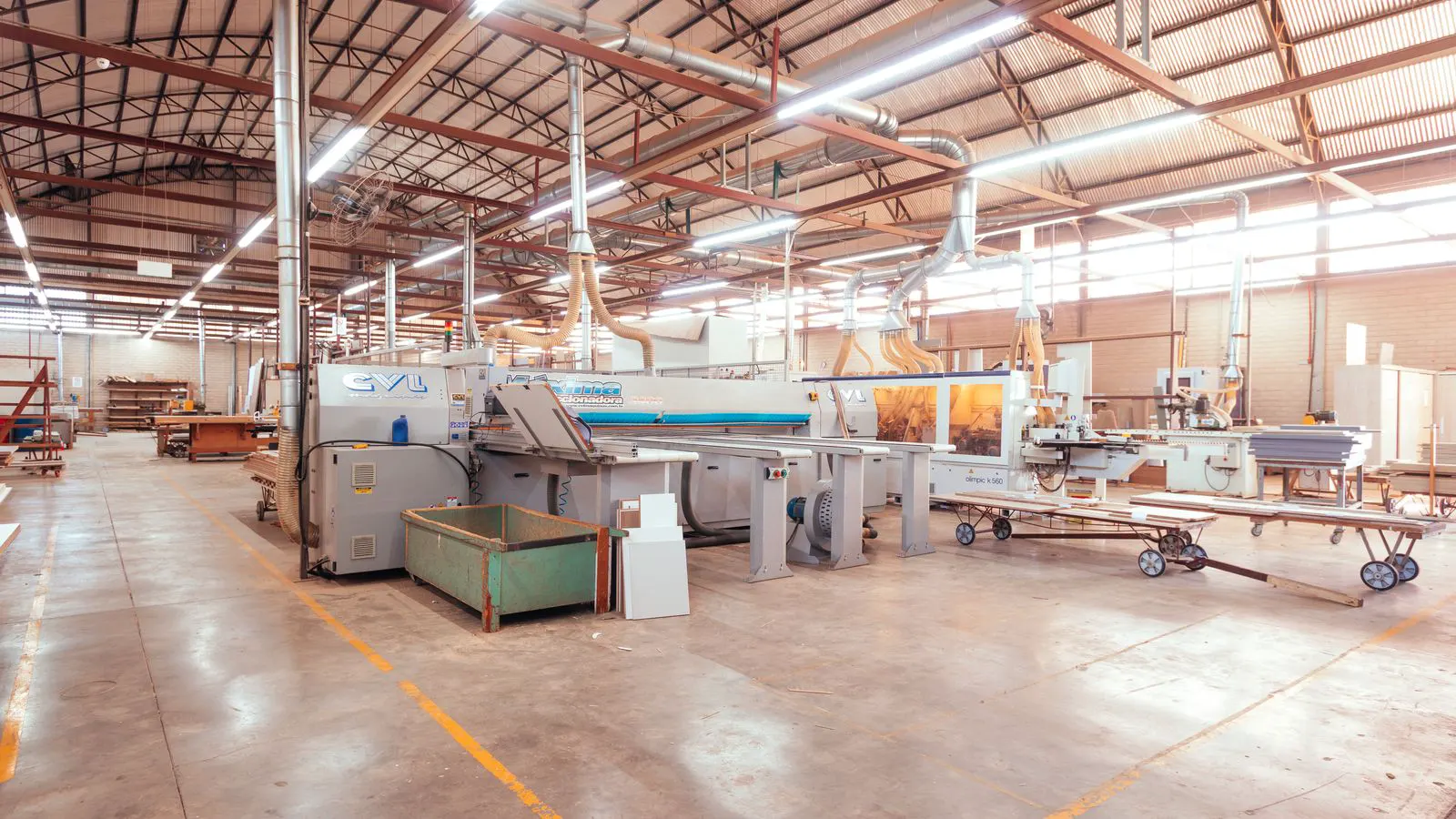
Choose slicing equipment by matching the machine's throughput rating to your actual plant output. Evaluate blade type, feed rate, and maintenance access based on your daily volume. This guide provides a framework for sizing your slicer correctly.
- Match machine throughput to peak production hours, not average daily output, to avoid bottlenecks.
- Band slicers suit high-volume, continuous processing, while rotary models handle lower volumes with finer control.
- Plan for spare parts, blade sharpening cycles, and cleaning downtime when selecting equipment size.
- Verify electrical and mechanical requirements before committing to a specific model.
- Use a decision checklist to confirm the machine fits your line layout and operational constraints.
Define Your Actual Production Volume
Do not size slicing equipment based on marketing claims or theoretical maximums. Start with your real output. Identify the peak hourly demand for your product, not just the average daily tonnage. A plant that processes 500 kilograms per hour on average may face a 700 kilogram surge during the start of a shift.
Measure your volume over a full production cycle. Record the weight or count of product entering the slicer at the start, middle, and end of each shift. Note the product type, thickness, and any pre-portioning steps. These numbers form your baseline. If your plant runs three shifts, apply the same measurement to each. Volume patterns change by season, product mix, and customer orders.
A common mistake is selecting a machine based on the smallest model that meets average demand. This creates a bottleneck during peak hours. Workers rush, quality drops, and the line stops while operators wait. The slicer becomes the constraint point. You need headroom. Plan for a machine that can handle your peak volume with a margin that allows for minor jams and speed adjustments.
Consider the product form before choosing a volume-based model. A dense, firm product like a cured ham slice requires more feed force than a soft cheese. A hard cheese may need a different blade angle and feed rate than a deli meat. The machine’s rated capacity assumes a specific product type. If your operation handles multiple items, the slicer must accommodate the most difficult one in your lineup.
Match Machine Type to Throughput Requirements
Different slicer types handle different production volumes. Band slicers are built for high-volume, continuous processing. They feature a circular blade that moves continuously around a feed mechanism. The product moves through a fixed channel. This design supports high throughput with minimal operator intervention.
Rotary slicers use a blade that rotates around a fixed axis. The product is pushed against the blade by a feed mechanism. This design offers better control for thinner slices and more delicate products. Throughput is lower than a band slicer of the same size. Choose rotary when precision matters more than speed.
Guillotine slicers use a straight blade that moves up and down. They are best for low-volume, high-precision cuts or for cutting packaged items. They are not suited for continuous high-speed processing. If your plant needs to slice multiple small batches with different settings, a guillotine may fit. For a continuous line, it will slow production.
The choice depends on your production profile. A plant that runs one product at high speed all day will benefit from a band slicer. A plant that handles several products with different thickness requirements may prefer a rotary slicer or a multi-model setup. Review your production schedule. Identify which products dominate your volume. If one product accounts for 70 percent of your output, size the slicer for that product’s requirements.
Evaluate Blade and Feed System
The blade is the working element of any slicer. For high-volume operations, the blade must be durable and easy to replace. Band slicers use a long, continuous blade that wraps around a wheel. The blade must be sharp to cut cleanly. A dull blade causes product tearing, increased feed force, and more waste.
Feed systems vary by machine type. Band slicers often use a motorized feed wheel or a pneumatic pusher. The feed rate must match the blade speed. Too fast and the blade cannot cut cleanly. Too slow and the product jams. Rotary slicers use a feed mechanism that pushes product against a rotating blade. The feed speed and blade rotation must be synchronized.
Check the feed system for adjustability. Can you change the feed speed quickly when switching products? Can you adjust the blade thickness without stopping the line? For high-volume operations, quick changeovers are critical. Every minute spent adjusting the machine is a minute of lost production.
Look at the blade material. High-speed steel blades are standard. Some machines use hardened steel or special alloys for harder products. The blade must be replaceable without major disassembly. A blade that requires a full machine shutdown to change is a maintenance burden. Ask the supplier about blade life in your specific product. Harder products wear blades faster.
Consider Maintenance Access and Downtime
A high-volume slicer must be maintained quickly. Downtime is expensive. The machine must be easy to clean, inspect, and repair. Look for a design that allows access to the blade, feed mechanism, and motor without removing the entire housing.
Cleaning is a major factor. High-volume operations run long shifts. The slicer must be cleanable during scheduled breaks or changeovers. A machine with removable, washable parts reduces cleaning time. A machine with fixed parts and complex seals takes longer to clean. The more time spent cleaning, the less time available for production.
Spare parts availability matters. If a feed wheel or motor bearing fails, you need a replacement quickly. Ask the supplier about standard lead times for common parts. A long lead time means extended downtime. For critical production lines, consider keeping a set of high-wear parts on site.
Blade sharpening cycles are another maintenance factor. High-volume machines may need sharpening every few hundred hours. The machine must allow for blade replacement or sharpening without full disassembly. Some machines use a blade changer that lets you swap a dull blade for a new one in minutes. This is a significant advantage for continuous production.
Check Electrical and Mechanical Requirements
Before selecting a slicer, verify the electrical and mechanical requirements fit your plant. Power supply is the first item. High-volume slicers may require three-phase power. If your plant only has single-phase power, you need a transformer or a different machine. Check the voltage and frequency requirements.
The machine’s physical size must fit your line layout. Measure the space around the slicer. Include room for operators, material staging, and cleaning. A large band slicer needs more floor space than a rotary model. Check the height clearance for the blade and feed mechanism.
Air supply is another factor. Some slicers use pneumatic feed systems. They require a stable air supply at a specific pressure. A pressure drop can affect feed consistency. If your plant has a pneumatic system, verify the capacity. If not, consider an electric feed system to avoid adding compressed air infrastructure.
Weight and mounting matter. High-volume slicers are heavy. The floor must support the load. Mounting feet must be adjustable to level the machine. A level machine cuts more accurately. Uneven mounting causes blade misalignment and uneven slices. Check the machine’s operating weight and the recommended floor load.
Review Quality Control and Product Handling
The slicer must produce a consistent product. Check the thickness control system. Manual adjustment is common in smaller models. Automatic thickness control is available in larger machines. It uses sensors to detect the product and adjust the blade position. For high-volume operations, automatic control reduces variation and operator error.
Product handling before and after slicing matters. The slicer must accept the product in the form it arrives. A pre-sliced block, a whole log, or a packaged item may require different feed setups. The output must match the next process step. If the sliced product goes to a packaging machine, the slice length and thickness must be consistent.
Consider product debris. High-speed slicing creates small pieces. These must be managed. A good slicer has a debris collection system. A poor one sends debris into the product or the floor. Check the machine’s design for debris containment. Look for guards, collection trays, or vacuum hooks.
Operator training is part of quality. The slicer must be easy to operate. A complex control panel slows setup. A simple interface with clear buttons and displays reduces errors. For high-volume lines, the machine should have a mode that locks settings to prevent accidental changes.
Decision Checklist and Final Selection
Use this checklist to confirm your selection. It brings together the criteria discussed above. Review each item before signing a purchase order.
- Volume Match: Does the machine’s rated throughput meet your peak hourly demand with a 10 to 15 percent margin?
- Product Fit: Can the slicer handle your toughest product type and slice thickness?
- Machine Type: Does the band or rotary design match your production profile and product mix?
- Maintenance Access: Can you clean, inspect, and replace blades and feed parts during scheduled downtime?
- Spare Parts: Are common wear parts available with an acceptable lead time?
- Electrical and Mechanical: Does the machine fit your power supply, air supply, and floor space?
- Quality Control: Does the thickness control system meet your product specification?
- Debris Management: Does the machine contain product debris during operation?
- Operator Interface: Is the control panel simple and locked to prevent accidental changes?
Walk through each item with your production manager and maintenance lead. They know the daily realities of the line. A machine that looks good on paper may not fit the plant floor. Verify the physical layout. Check the power connections. Confirm the air supply pressure.
Review the supplier’s support plan. Ask about installation, commissioning, and training. A good supplier will provide a detailed installation plan. They will train your operators and maintenance staff. They will provide a parts list for high-wear items.
Do not rush the decision. A high-volume slicer is a major capital investment. It will run for years. Take the time to evaluate the options. Compare at least three models. Visit a reference plant if possible. See the machine running your product. Ask the operator what they like and what they would change.
The right slicer fits your volume, your product, and your plant. It runs reliably, produces a consistent slice, and maintains well. Select the machine that meets these criteria. Do not oversize for future growth unless your expansion is confirmed. Do not undersize for current peak volume. Match the equipment to the operation. A well-chosen slicer becomes a stable part of your line. A poor choice creates bottlenecks, waste, and frustration.
Frequently asked questions
How do I calculate the required throughput for a slicer?
Measure the peak hourly output of your product over several days. Multiply by 1.1 to 1.15 to add a margin for jams and adjustments. Use this number to size the machine.
Is a band slicer better than a rotary slicer for high volume?
Band slicers generally offer higher throughput for continuous processing. Rotary slicers offer better control for thinner slices and more delicate products. Choose based on your product and speed needs.
How often do slicer blades need sharpening?
Blade life depends on product type and machine speed. Harder products wear blades faster. Check with the supplier for expected cycles based on your specific application.
What is the minimum floor space needed for a high-volume slicer?
Measure the machine's footprint plus room for operators and material staging. Include space for cleaning and maintenance access. Check the manufacturer's installation guide for specific requirements.
Can I switch products on a high-volume slicer without losing production time?
Quick changeover depends on the machine design. Look for adjustable feed and thickness controls that can be set without stopping the line. Some models have preset modes for common products.