
Food Safety Standards
Outlook: Hygienic Design in Next-Gen Thermal Processing
Next-gen thermal processing is moving toward passive hygiene, digital verification, and material integration. This outlook identifies six shifts in hygienic design and
Get clear overviews of key food safety and quality standards that guide machinery selection, design, and operational compliance.
Next-gen thermal processing is moving toward passive hygiene, digital verification, and material integration. This outlook identifies six shifts in hygienic design and

To verify CIP chemistry and dosing accuracy, you must confirm chemical concentration, temperature, contact time, and rinse water quality. This checklist covers

Food grade gaskets are elastomer seals designed for wet processing areas. They stop leaks and keep product out of non-food contact zones. Replacement depends on material
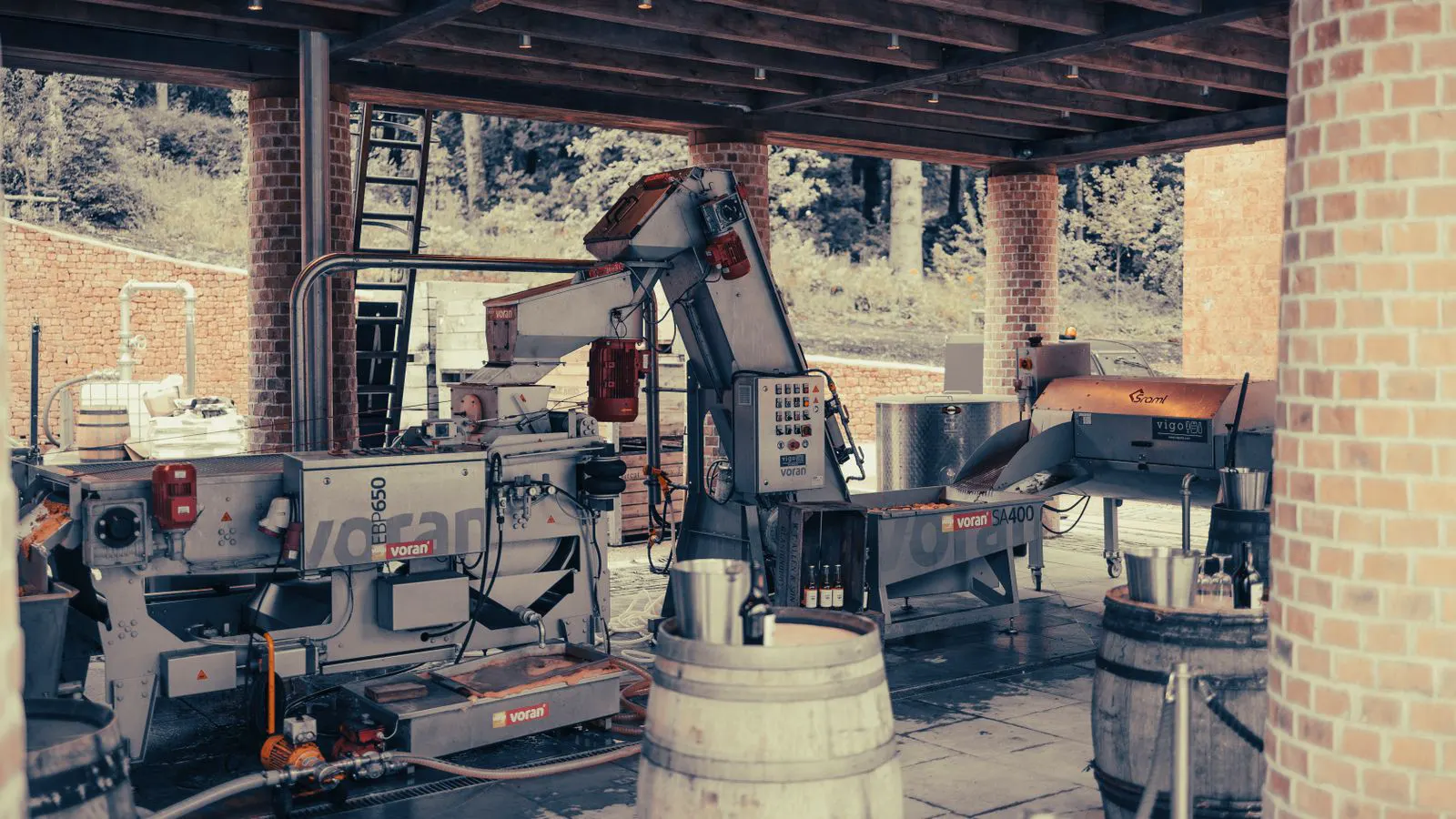
Manual cleaning requires significant labor hours and inconsistent chemical use. Automated CIP reduces these costs through consistent cycles and lower water consumption.

Confirm food grade coatings by inspecting surface integrity, reviewing manufacturer declarations, and checking test reports. This process ensures coatings meet hygiene
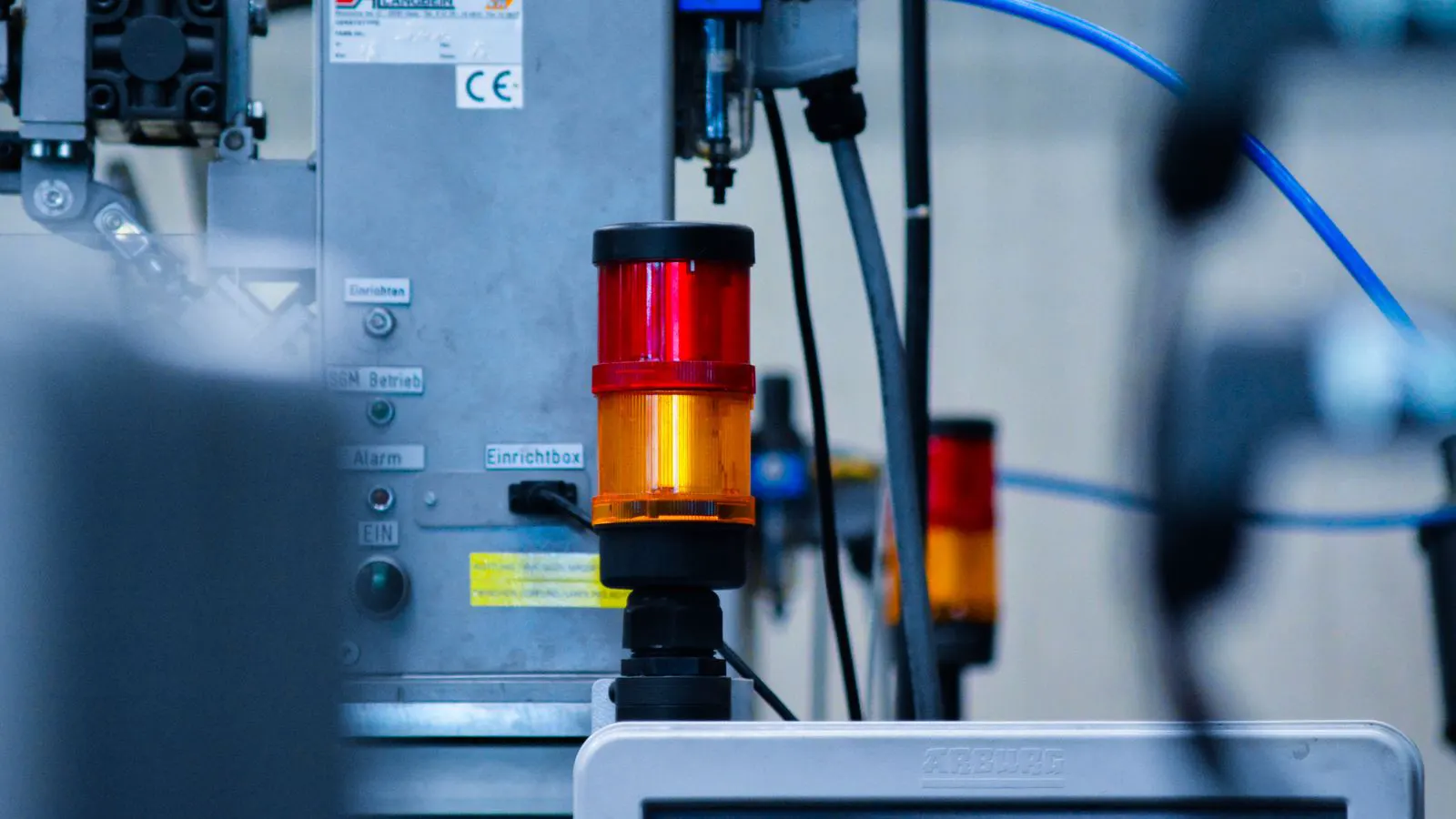
AI will move food safety from periodic manual checks to continuous digital verification. Buyers should plan for smarter sensors, automated hygiene data logging, and

Certified hygienic piping costs vary by material, grade, and certification. Lead time depends on supplier stock, fabrication, and testing. A clear RFQ with specific

To satisfy export market compliance, select food processing machinery that supports food safety standards, meets importer requirements, and facilitates traceability.
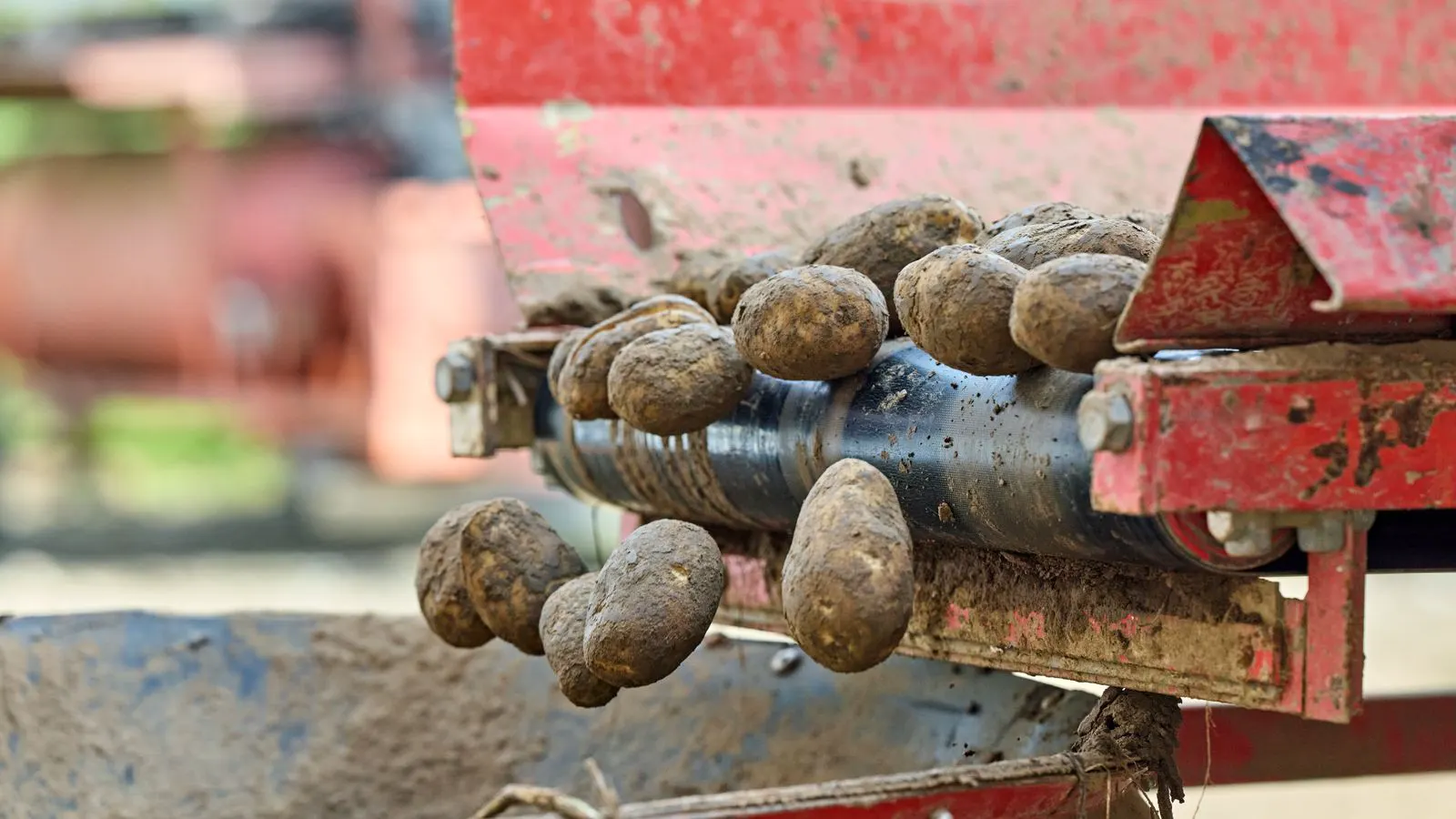
CIP systems fail to reach required temperatures due to heat loss, poor flow distribution, low boiler capacity, or incorrect chemical dosing. This guide lists symptoms

A HACCP plan is a documented food safety management system that identifies critical control points and corrective actions. It dictates machinery hygiene, material
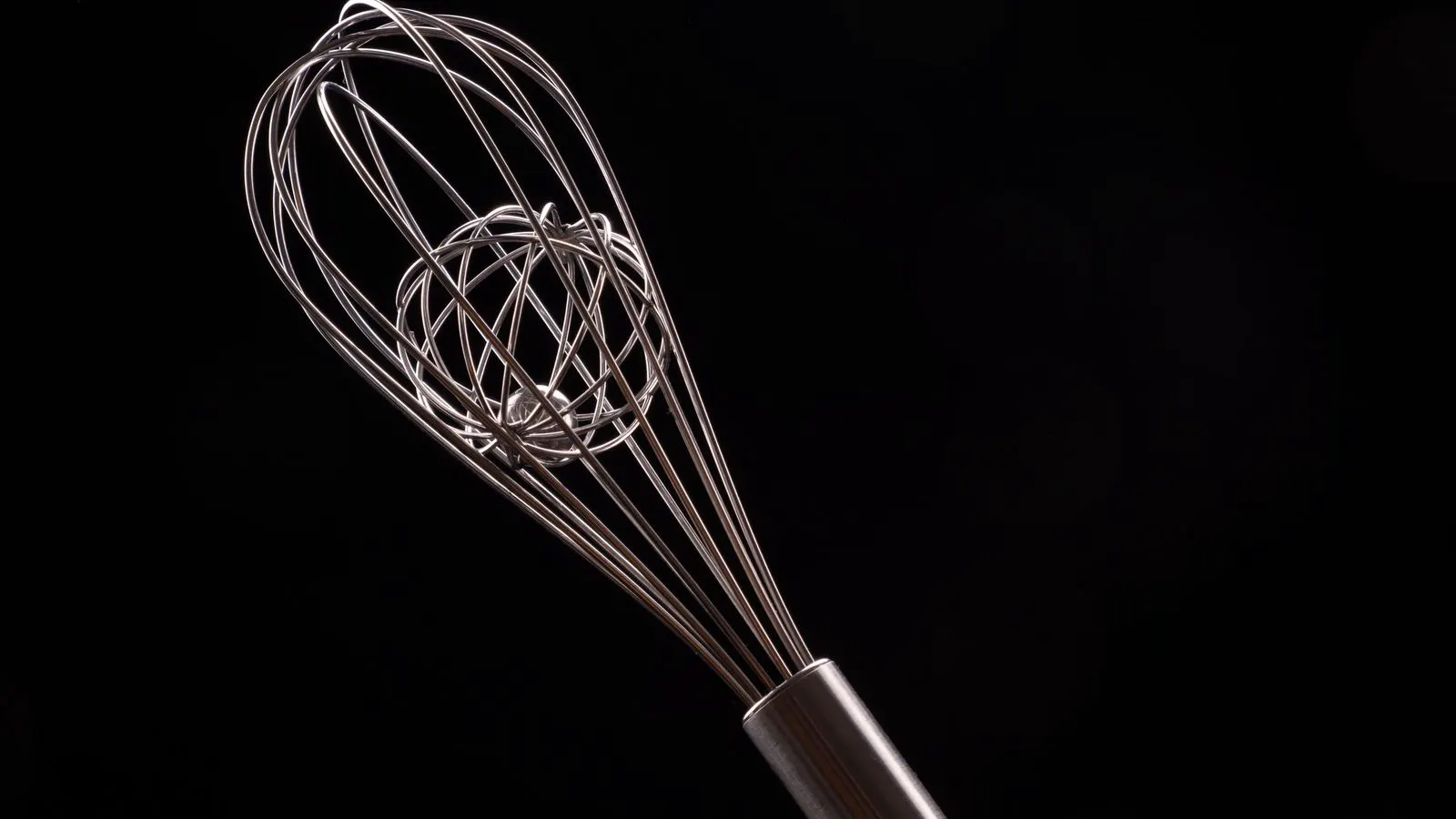
Hygienic slicers replace deep seams, exposed fasteners, and rough castings with welded, polished, and rounded geometry. This reduces debris pockets and speeds up manual
Selecting CIP systems depends on matching processing volume to pump flow, tank size, and cycle duration. This guide provides a framework for evaluating capacity, design