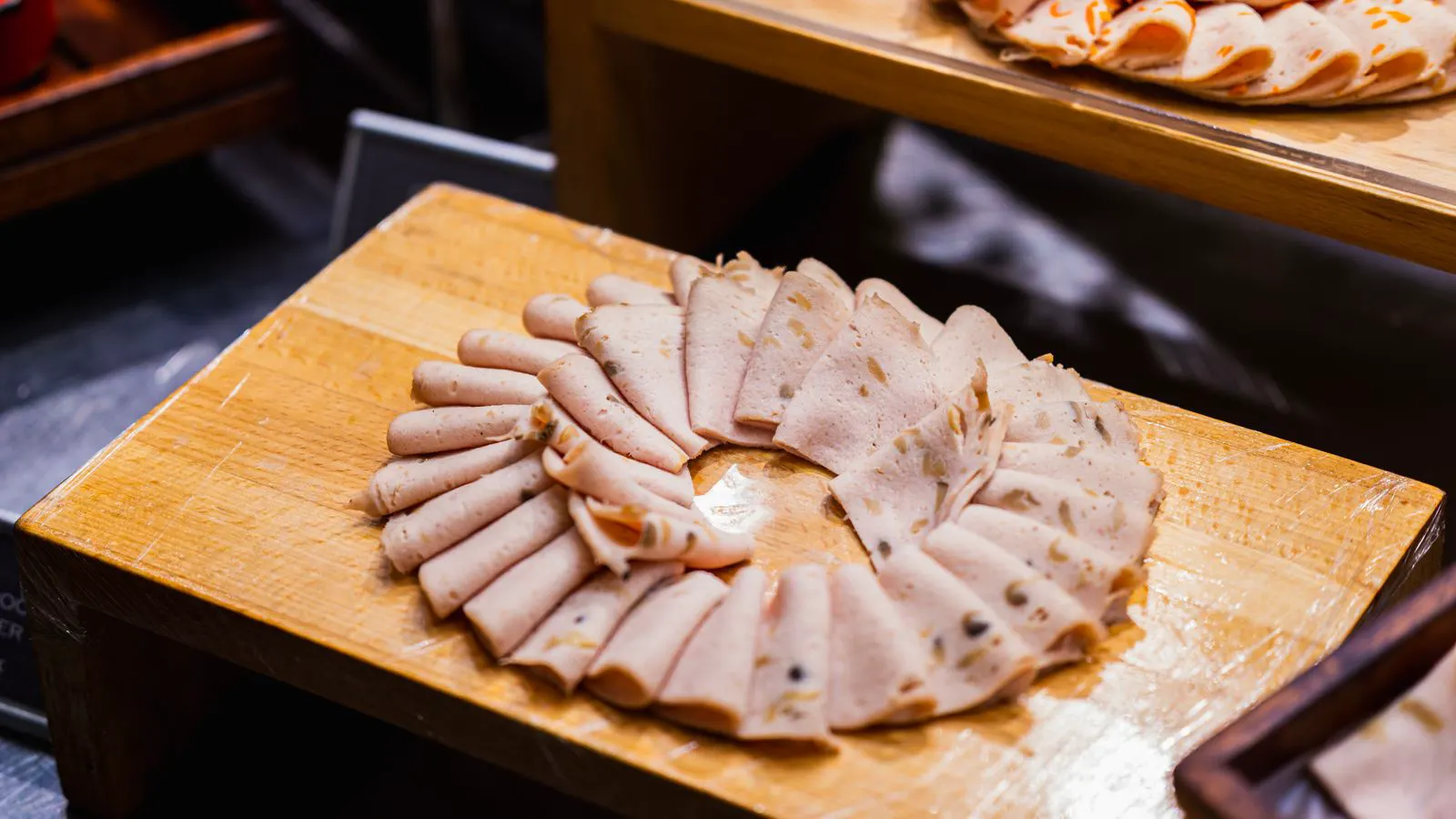
Cutting & Slicing
Comparison: Rotary vs Guillotine Slicers for Deli Meat
A rotary slicer handles whole loaves and high-volume processing with a continuous blade, while a guillotine slicer excels at precise, low-volume cuts. The choice depends
Explore techniques, machine types, and maintenance tips for accurate, hygienic cutting and slicing in food production lines.
A rotary slicer handles whole loaves and high-volume processing with a continuous blade, while a guillotine slicer excels at precise, low-volume cuts. The choice depends
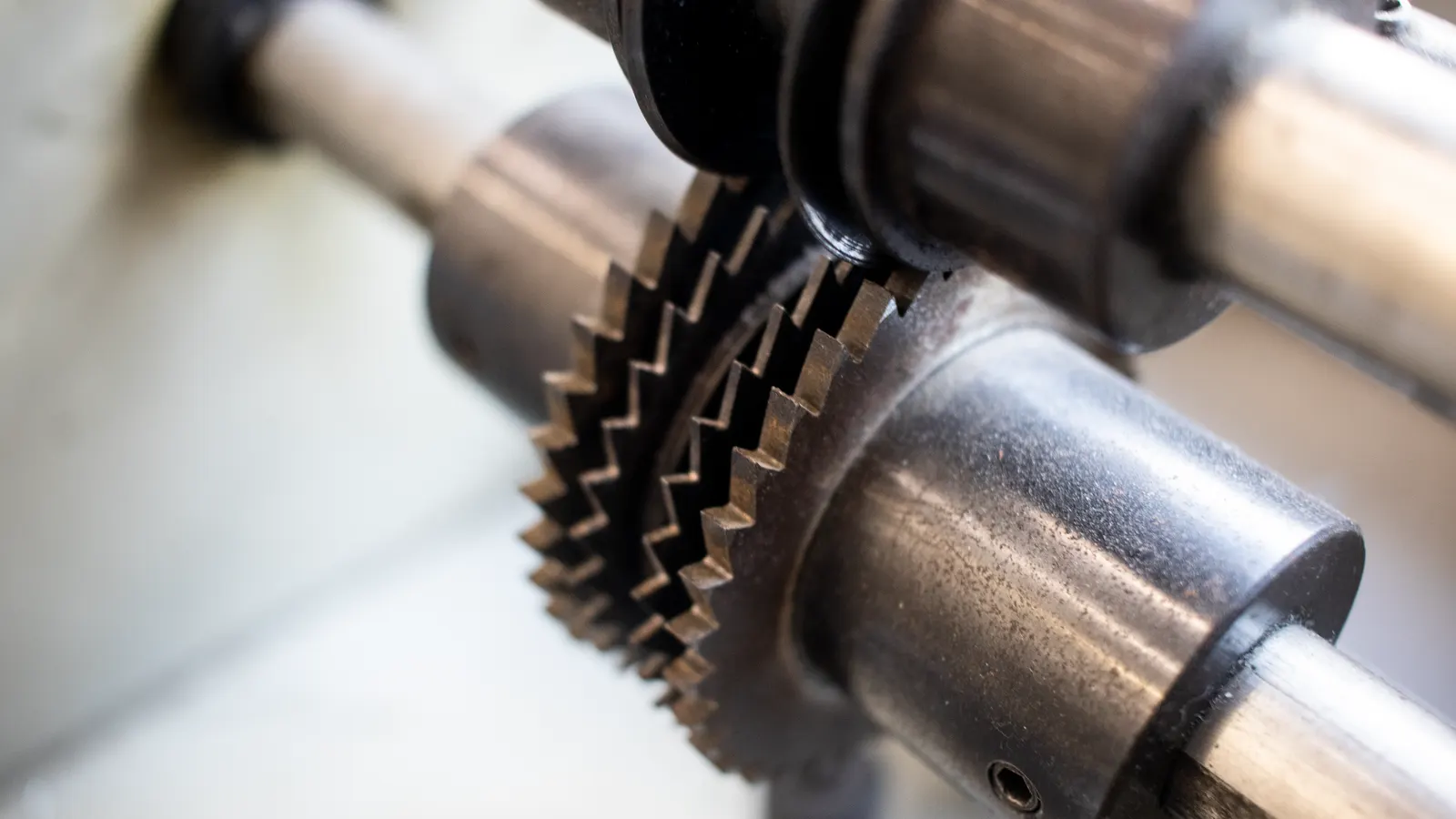
A guillotine slicer uses a horizontal carriage and a fixed, downward-striking blade to cut through product. The mechanism relies on synchronized carriage travel and

Match slicer blade diameter to product thickness by balancing contact area, feed rate, and cut uniformity. Use the product's thinnest dimension to set minimum diameter

Predictive maintenance uses sensor data to forecast failures before they stop production. This guide outlines six operational shifts needed to prepare slicing lines for

Engineers verify CIP access on slicers by checking inlet positions, drain paths, and accessible gaps. Confirming these design points ensures hygienic cutting systems
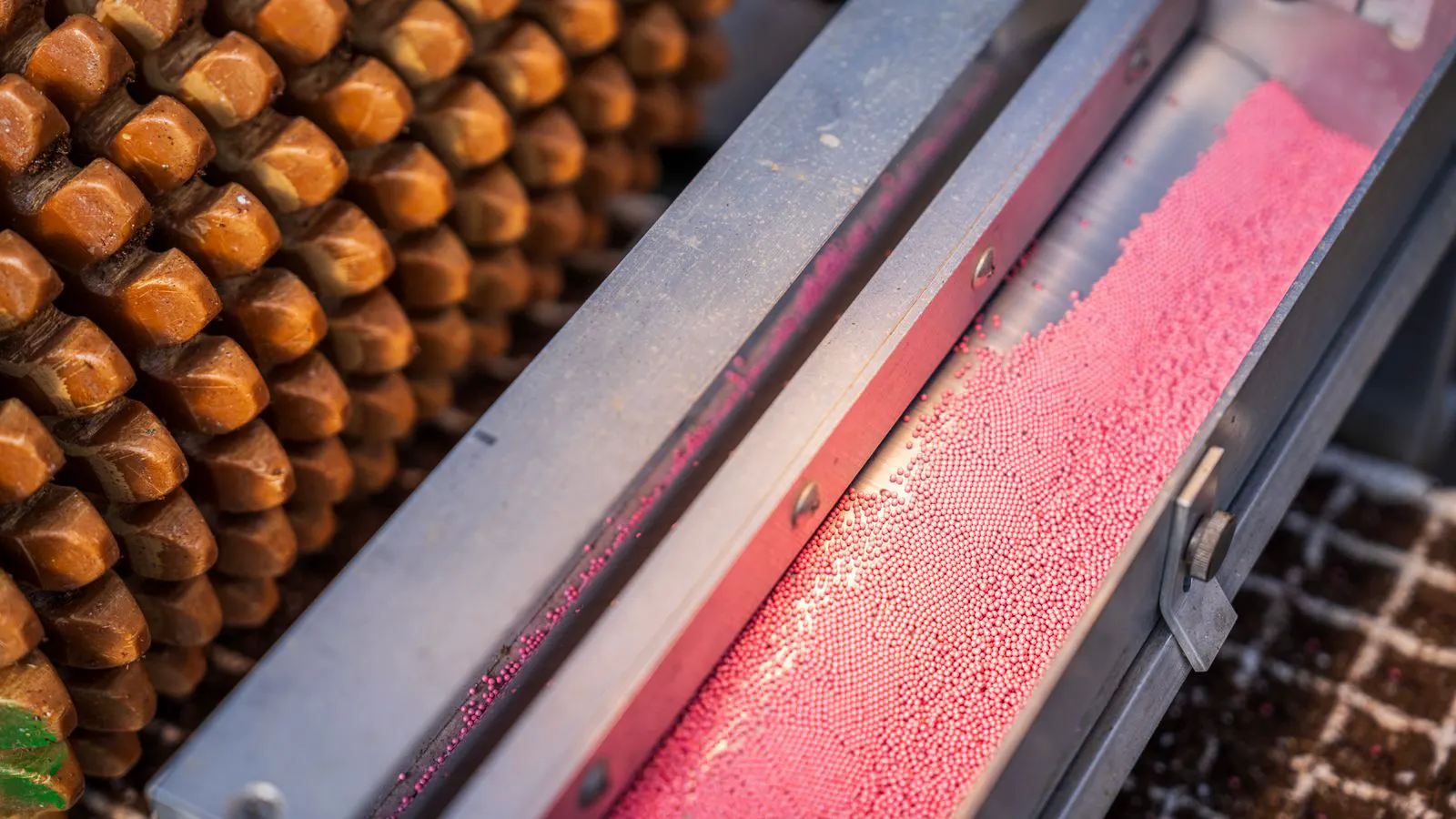
A rotary slicer blade system combines a rotating circular blade with a tensioning and support structure to cut food products. It determines cut consistency, blade life
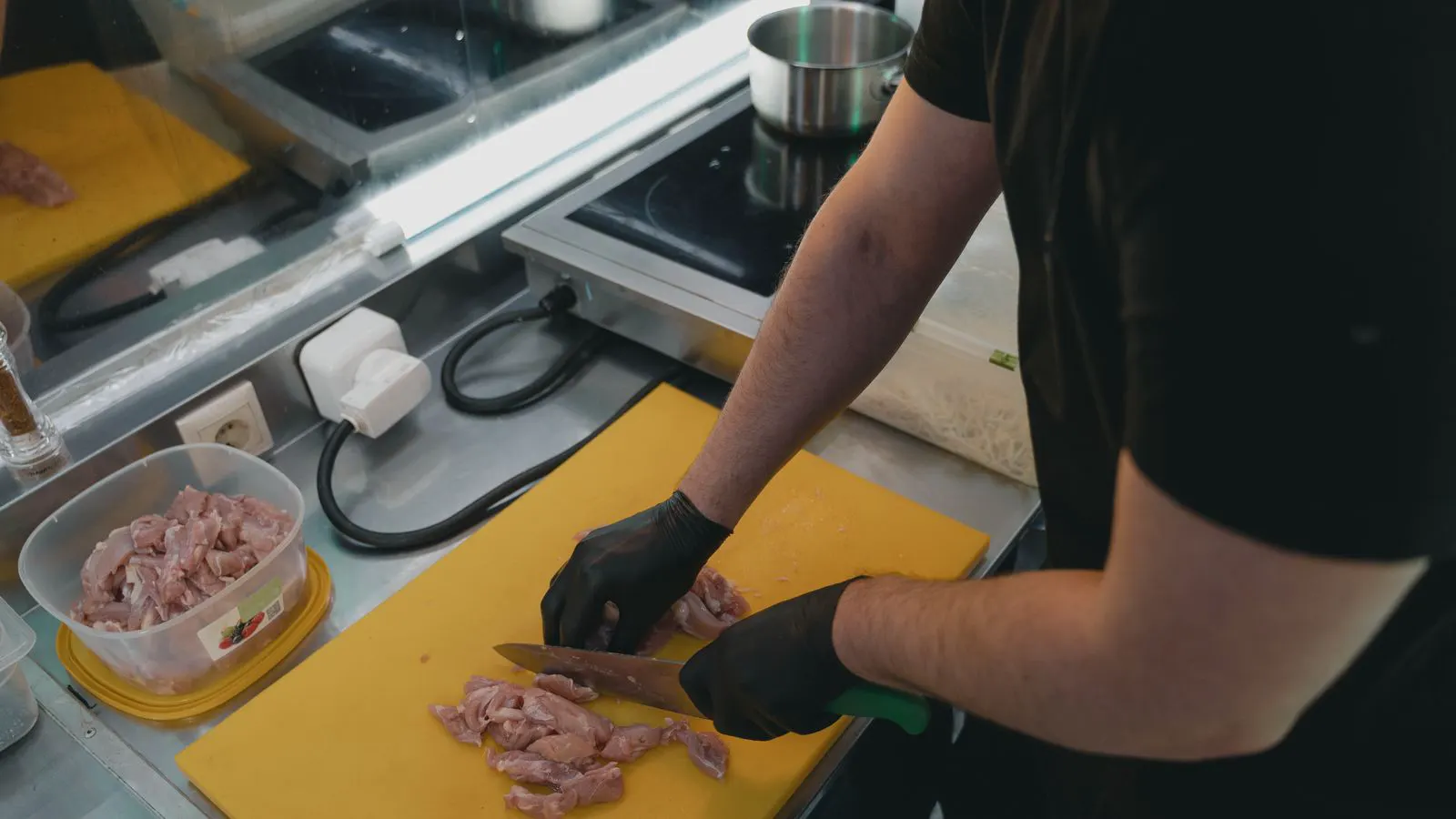
Match slicer design to product density to prevent jamming, ragged cuts, and downtime. This guide details how to evaluate blade force, feed mechanisms, and hygienic

Proper slicer calibration involves verifying blade tension, adjusting carriage speed, and calibrating the thickness mechanism. This step-by-step process ensures uniform
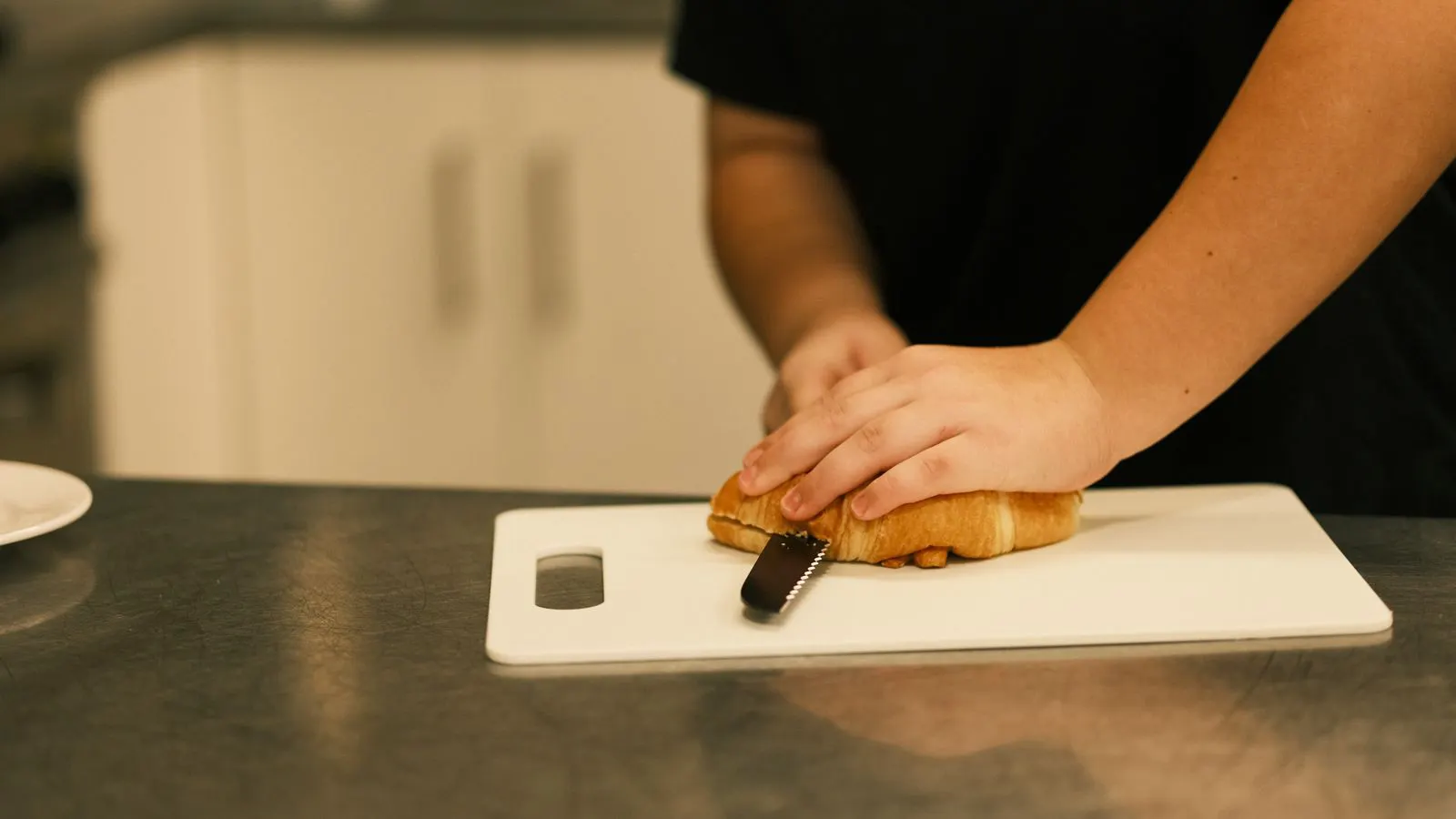
Blade tensioning keeps a slicer blade taut against the carriage. Correct tension prevents flex, drag, and ragged cuts. It directly affects accuracy, speed, and

Verify slicer CIP access points by checking blade guards, product rails, and drain ports. This checklist identifies hidden debris zones and confirms hygienic cleaning

Continuous cutters suit high-speed, uniform products like sausage and cheese, while band slicers handle irregular shapes and delicate items. Choose based on product

Ragged cuts usually trace to blade alignment, dull edges, or feed inconsistencies. This troubleshooting guide lists common symptoms and fixes, focusing on mechanical