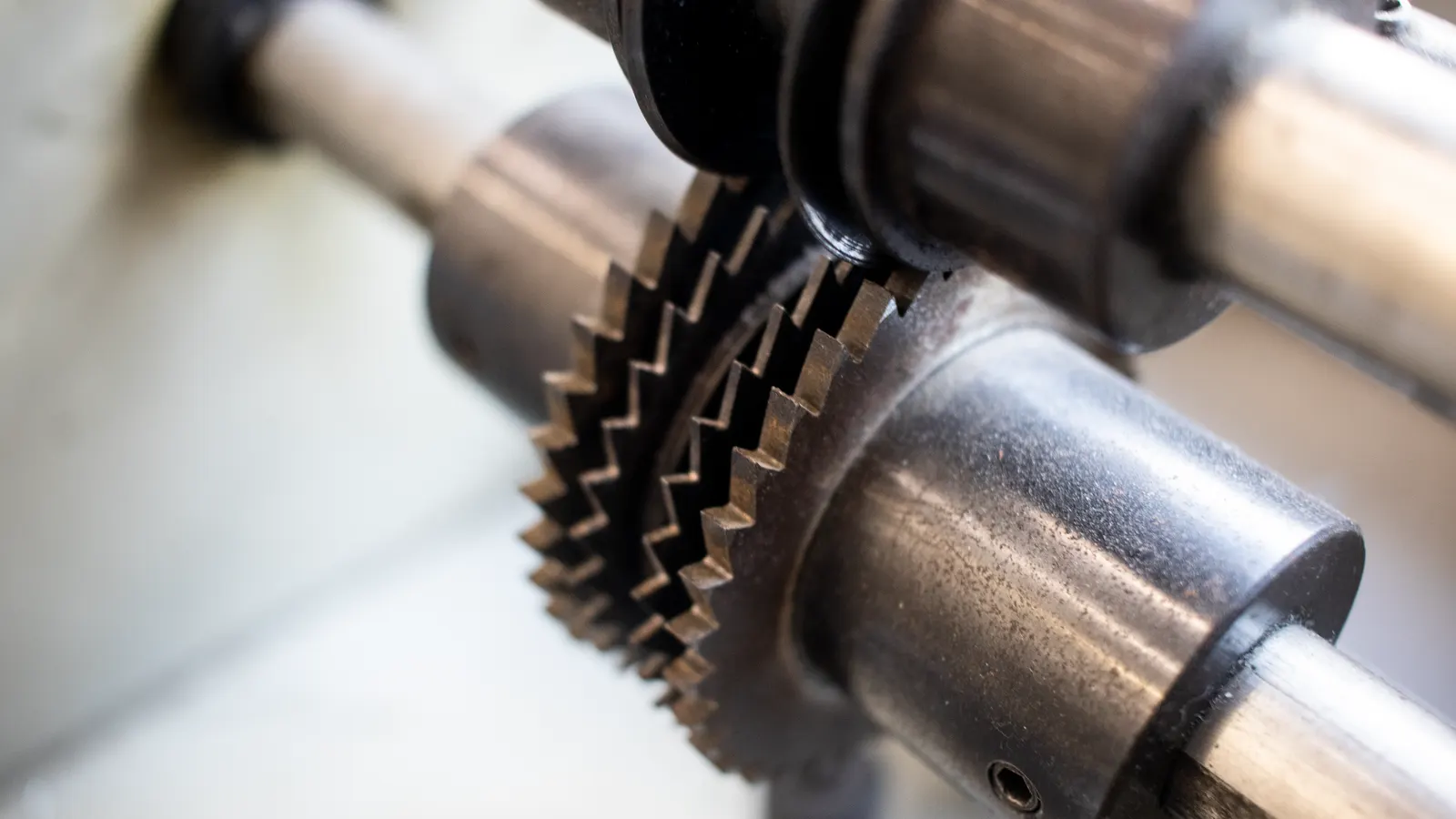
Predictive maintenance shifts slicing line care from scheduled checks to condition-based actions. It uses sensor data to detect early blade wear, motor strain, and alignment drift. This approach helps operators plan repairs before failures stop production.
- Sensors on motors and blades detect early wear before visible product defects appear.
- Maintenance windows become flexible based on real machine condition rather than fixed calendars.
- Data logs help teams trace recurring faults to specific components or operating habits.
- Smaller teams gain more value from maintenance systems when basic data hygiene is in place.
- Preparation requires clear roles, sensor calibration routines, and simple alert thresholds.
Slicing lines face a constant tension between product quality and mechanical reliability. A blade that runs too warm can scorch edges. A belt that slips slightly can shift product thickness. Traditional maintenance schedules address these issues by replacing parts on time, but they often ignore the actual condition of the machine. Predictive maintenance changes the model. It uses sensor data to estimate remaining useful life. Teams adjust service plans to match real machine state.
How sensor data changes the maintenance cycle
The shift from reactive to predictive care starts at the point of failure. In a typical slicing line, the first sign of trouble is often a change in vibration, temperature, or current draw. A motor pulling extra amps while cutting a dense product may indicate a binding guide or a misaligned blade. A thermal camera reading a hot spot on a bearing can show early lubrication loss.
Operators no longer wait for a jam or a quality complaint to investigate a problem. The sensor data flags the deviation. The maintenance team reviews the trend against a baseline. If the drift continues, they schedule a service window. If the trend stabilizes, they monitor it. This keeps the line running when it is safe to do so.
The data source matters. A single accelerometer on a drive shaft gives one perspective. Adding current sensors on the motor and temperature probes on the blade assembly gives a fuller picture. The more relevant signals captured, the better the team can distinguish between a normal peak and a developing fault.
Consider a line processing frozen vegetables. The density of the load changes as the product thaws. A static maintenance schedule treats every hour the same. A sensor-driven approach recognizes the load shift. It flags the increased current draw. The technician adjusts the drive load before the belt begins to slip. The product thickness remains consistent. The blade life extends because the mechanical stress is managed rather than ignored.
What shifts for the maintenance team
The daily routine changes. Instead of opening every blade guard and checking every belt on a fixed calendar, technicians focus on machines that show signs of stress. They review dashboards before starting a shift. They check the top three alerts. They verify that sensor readings are not skewed by calibration drift.
This requires a different skill set. Technicians must understand the basic electrical behavior of the line. They need to know what a healthy current profile looks like for a specific product load. They need to interpret vibration patterns that point to loose hardware versus bearing wear. Training becomes part of the system. New staff learn to read the data, not just the machine.
The maintenance log also changes. Instead of a single entry stating “blade replaced,” the record includes the condition that triggered the replacement. The log captures the vibration level, the temperature, and the product type being run. This builds a history. Over time, the team can see which conditions lead to which failures.
For example, a log entry might note that the blade was replaced after three consecutive shifts showed rising heat on the cutting edge. The entry also notes that the product was dense, like cured meat. The next time the team sees similar heat readings on a lighter product, they check the blade angle first. They find it was set too steep. They adjust the angle and avoid the replacement. The data creates a feedback loop that improves future decisions.
How to prepare your line for condition-based monitoring
Preparation is about making the machine readable. Every component that can fail and affect product quality needs a way to be measured. The blade assembly is the most obvious candidate. A displacement sensor can track alignment drift. A temperature probe can monitor heat buildup during long runs.
The drive system is the next priority. Motor current, shaft vibration, and coupling temperature all indicate health. A small change in current during the cut phase can reveal a worn belt or a misaligned pulley. The feed system also matters. Uneven feed pressure can stress the blade and cause thickness variation. A pressure sensor on the feed rollers gives a direct signal.
The physical installation of sensors requires attention. Vibration sensors need firm mounting to avoid false readings. Thermal probes must be placed where they capture heat from the part, not ambient air. Calibration routines are as important as the sensors themselves. A sensor that drifts out of alignment gives false confidence. Schedule regular checks.
| Component | Typical Sensor Type | Key Signal | Action Trigger |
|---|---|---|---|
| Blade Assembly | Displacement Sensor | Alignment drift | Realign or replace blade |
| Drive Motor | Current Sensor | Amp draw change | Check load and belt tension |
| Bearings | Accelerometer | Vibration frequency | Lubricate or replace bearing |
| Feed Rollers | Pressure Transducer | Force variation | Adjust feed pressure settings |
| Hydraulic System | Temperature Probe | Oil temperature | Check pump and valve function |
When installing the drive motor sensor, use a clamp-on current transducer if possible. It avoids cutting into the wiring. It also protects against electrical faults. The sensor should sit close to the motor terminals to capture the true load. A long cable run introduces noise that can mask small changes in current draw.
For the blade assembly, mount the displacement sensor on a fixed bracket near the blade guide. It should measure the gap between the blade and the guide rail. The sensor should be protected from food debris. A simple guard or a sealed housing prevents the sensor from being damaged during cleaning. The temperature probe should be embedded in the blade housing or clamped to the blade edge. It needs to be insulated from ambient air. A probe exposed to the air will read the room temperature, not the blade temperature.
The impact on food processing uptime
Reducing unplanned stops is the direct benefit. A slicing line that fails during a production run creates a cascade. The line stops. The product on the line must be evaluated or scrapped. Cleaning down the line takes time. Restarting requires a quality check. Each unplanned stop erodes the effective run time.
Predictive maintenance reduces the frequency of these stops by catching issues early. A bearing replaced during a planned window causes no product loss. A blade realigned after a trend alert prevents a batch of off-spec product. The line stays up for the full duration of the shift.
This improves the overall food processing uptime. When every line in the facility runs with fewer surprises, the plant can meet demand more reliably. It also reduces the stress on the maintenance team. Instead of firefighting, they work on a plan. The plan is dynamic, but it is grounded in data rather than guesswork.
Consider a plant running two slicing lines for different products. One line processes soft cheeses. The other processes hard cheeses. The soft cheese line runs at a lower speed but with higher feed pressure. The hard cheese line runs faster but with less feed pressure. A single maintenance schedule treats both lines the same. A condition-based approach treats them differently. The soft cheese line gets more frequent feed roller checks. The hard cheese line gets more frequent blade alignment checks. The maintenance team allocates time where it is needed. The plant achieves higher uptime on both lines.
Common mistakes to avoid during implementation
The most common error is buying sensors without a plan. Installing a dozen accelerometers does not help if no one reviews the data. The system needs a clear owner. That person defines what the data means. They set the thresholds. They review the alerts. Without this role, the data becomes noise.
Another mistake is ignoring the baseline. Predictive maintenance only works when you know what normal looks like. Run the line through a typical production cycle. Record the sensor data. Save that as the baseline. When a new shift starts, compare the current data to that baseline. If you do not have a baseline, the alerts are meaningless.
Finally, do not try to monitor every part at once. Start with the components that have the highest impact on product quality and downtime. The blade and the drive motor are usually the best starting points. Get the data for those right. Build the process. Then expand to the feed system and hydraulic components. A small, reliable system is better than a large, chaotic one.
A second mistake is setting thresholds too tight. If the alert triggers on every minor fluctuation, the team ignores the alerts. The alerts become background noise. The team stops checking them. Set thresholds based on the baseline and the product load. Allow for normal variation. The goal is to catch developing faults, not to track every small change.
A third mistake is not documenting the actions taken. If the team reacts to an alert but does not record what they did, the system loses its memory. The log should record the alert, the investigation, the action, and the result. This creates a record that can be reviewed later. It also helps with future training. New technicians can see how experienced staff handled specific alerts.
What to expect in the coming years
The technology is moving toward simpler integration. Sensors are cheaper and easier to install. The data connection to the maintenance team is becoming more standard. The next step is not just collecting data, but using it to improve the line design. If the data shows that a specific product load always triggers a fault, the team can adjust the line configuration. The data can inform the next capital project.
The role of the maintenance team is evolving. Technicians are becoming data interpreters. They need to understand the machine and the data. The line operator also has a role. They are the first to notice a strange sound or a change in product feel. Their observation should be captured in the same system. When human observation and sensor data align, the picture of machine health is clearer.
For buyers and plant managers, the preparation work starts now. Audit the current maintenance logs. Identify the most frequent failures. Choose the sensors that address those failures. Assign the role. Train the team. The goal is not to eliminate maintenance. The goal is to make it smarter. A slicing line that is understood, not just maintained, runs longer and produces better product.
The integration of data from different sources will also improve. Today, the team may use separate tools for vibration, temperature, and current. In the future, these tools will merge into a single view. The technician will see one screen that shows the health of the entire line. The screen will highlight the problem area. It will suggest the action. The technician will confirm the action and log it. The system will learn from the action. It will adjust the thresholds and the alerts. The line will run with less human intervention but with more human oversight.
This evolution requires a shift in mindset. The team must move from fixing machines to understanding machines. The data is not just a tool. It is a window into the machine. It shows what is happening inside the machine. It shows what will happen next. The team uses this window to make better decisions. The decisions lead to better maintenance. The better maintenance leads to better product. The better product leads to better customer satisfaction. The cycle completes. The line runs well. The plant runs well. The business runs well.
Frequently asked questions
What sensors are most useful for a slicing line?
Current sensors on the motor and vibration sensors on the drive are the most common starting points. Displacement sensors on the blade assembly help track alignment drift.
How long does it take to see results from predictive maintenance?
It depends on the baseline data and the frequency of faults. Teams often see clearer trends within a few months of consistent data collection.
Can predictive maintenance replace scheduled maintenance?
No. It complements it. Scheduled maintenance handles routine tasks like lubrication and cleaning. Predictive maintenance targets specific failures based on condition.
What is the main risk of implementing this system?
The main risk is poor data quality. If sensors are not calibrated or if no one reviews the alerts, the system provides false confidence.
How does this affect product quality?
It improves quality by catching issues like blade wear and alignment drift before they cause off-spec product. The line stays in a tighter control window.