Match slicer design to product density to prevent jamming, ragged cuts, and downtime. This guide details how to evaluate blade force, feed mechanisms, and hygienic cutting features for specific meat, vegetable, and dairy products.
- Match slicer blade force and feed speed to the specific density and moisture content of the product.
- Use band slicers for high-volume, dense items and continuous cutters for uniform slices from long products.
- Verify hygienic cutting design features like removable guards and CIP access to maintain sanitation standards.
- Evaluate blade tensioning and sharpening intervals based on product hardness to ensure consistent slice thickness.
- Test slicer performance with actual product samples before finalizing procurement to confirm compatibility.
Why Product Density Dictates Slicer Selection
Selecting a food slicer is not a one-size-fits-all process. The physical properties of the product determine which machine design will perform reliably and which will fail. Density, moisture content, and structural integrity create specific resistance against the blade. A slicer designed for soft, high-moisture items will struggle with dense, dry products. The result is blade deflection, inconsistent slice thickness, and increased downtime for maintenance.
Procurement teams often face this mismatch when scaling operations or introducing new product lines. A machine that excels at processing soft cheese may jam when handling dense cured meats. Understanding the relationship between product properties and slicer mechanics is the first step in avoiding costly failures. This guide breaks down how to evaluate slicer types based on the density and texture of your specific product.
Evaluating Blade Force and Cutting Pressure
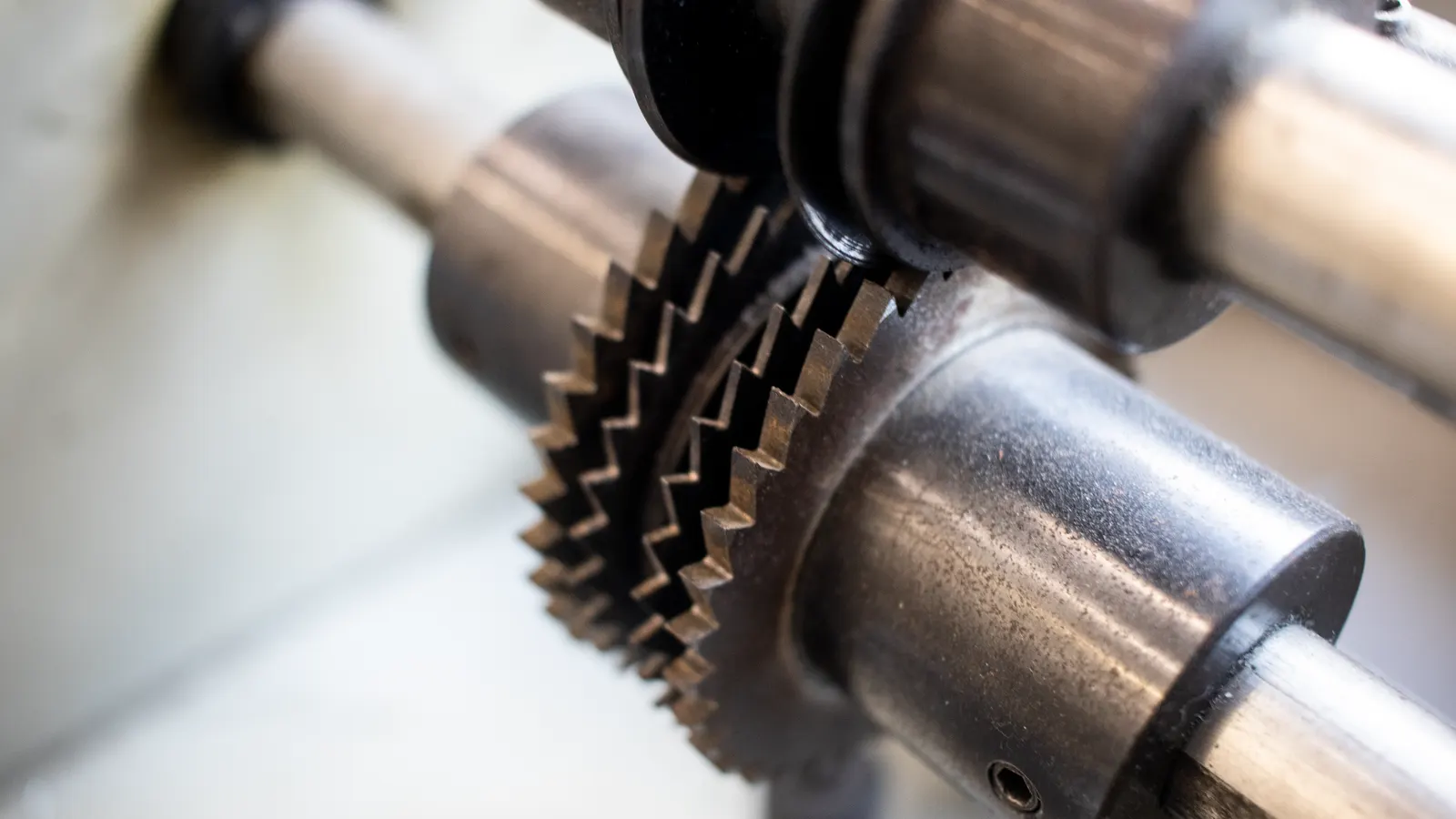
The primary interface between the slicer and the product is the blade. Different slicer types apply force in distinct ways. Band slicers use a continuous moving blade that cuts around the product. The blade tension must be sufficient to maintain contact with the product without bending. If the product density exceeds the blade’s cutting capacity, the band may slip or the product may drag against the blade.
For dense items like frozen meat or hard cheeses, you need a slicer with high blade tension and a powerful drive system. The blade must penetrate the product without requiring excessive manual pressure from the operator. Continuous cutters handle dense products differently. They use a fixed blade and a moving product feed. The feed mechanism must apply consistent pressure to push the product against the blade. If the feed pressure is too low for a dense product, the slices will be uneven. If it is too high, the product may deform before the cut is complete.
When evaluating slicers, check the maximum cutting force specifications. Look for machines with adjustable blade tension controls. These allow operators to fine-tune the pressure for different product batches. A slicer with fixed tension may work for one product but fail when you switch to a denser item. Adjustable tension provides the flexibility needed for multi-product facilities.
Feed Mechanisms and Product Handling
The feed system moves the product to the blade. Different products require different feed approaches. Soft, moist products like fresh cheese or soft fruits often need a gentle, controlled feed. A pusher plate with soft contact surfaces prevents squashing the product. Dense products like cured meats or hard vegetables need stronger feed pressure. The pusher plate must be rigid and apply force evenly across the product face.
Consider the product shape as well. Irregular shapes require feed mechanisms that can accommodate variation. A cylindrical product feeds differently than a rectangular block. Band slicers often handle irregular shapes better because the product sits on a flat surface while the blade moves around it. Continuous cutters require products to be aligned and stable during feed. If the product shifts, the cut will be inconsistent.
Evaluate the feed speed controls. Many slicers allow you to adjust the feed rate. For dense products, a slower feed speed often produces cleaner cuts. The blade has more time to penetrate the product without forcing it. For soft products, a faster feed may work better to prevent the product from sticking to the blade. Test the feed mechanism with your actual product. Observe how the product interacts with the pusher plate and the blade. Note any slippage, deformation, or inconsistent thickness.
Hygienic Cutting Design for Moisture and Density
Dense products often have specific sanitation challenges. Cured meats may contain preservatives that can be corrosive to certain materials. High-density cheese products may have fats that build up on blade edges. The hygienic cutting design of the slicer must address these issues. Look for slicers with removable blade guards and easy-access blade cleaning points. If the blade is difficult to clean, residue will accumulate, affecting cut quality and potentially creating food safety risks.
Check the CIP access points. A hygienic cutting slicer should have clear access to all areas where product contacts the blade. This includes the feed mechanism, the blade housing, and the collection tray. If these areas are enclosed or difficult to reach, manual cleaning will be slow and labor-intensive. Automated CIP systems require specific access points for cleaning fluid to reach all surfaces. Verify that the slicer design supports your facility’s sanitation procedures.
Material selection matters too. Stainless steel components are standard for food processing equipment. However, the grade and finish of the stainless steel affect cleaning and corrosion resistance. For products with high moisture or acidity, look for polished surfaces that do not trap particles. Rough or textured surfaces can harbor bacteria and make cleaning more difficult. When evaluating hygienic cutting features, consider the full cycle from product contact to final cleaning.
Matching Slicer Type to Product Category
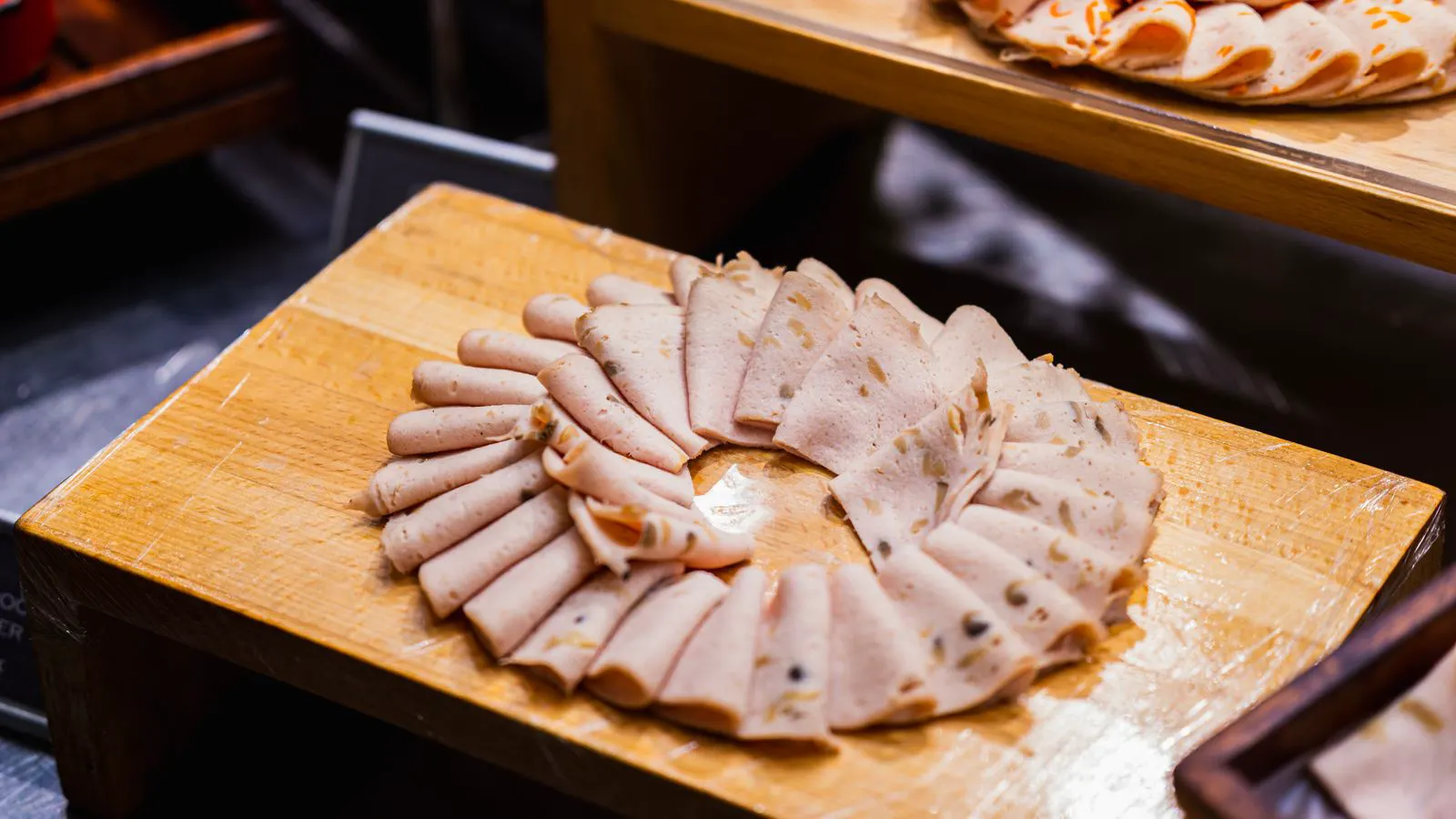
Different product categories require different slicer designs. Meat products vary widely in density. Fresh ground meat is soft and moist. Sliced deli meats are firmer but still have some yield. Cured meats and hams are dense and often dry. Each requires a different approach. Band slicers are common for deli meats because they handle cylindrical shapes well. Continuous cutters work well for large hams where volume is high.
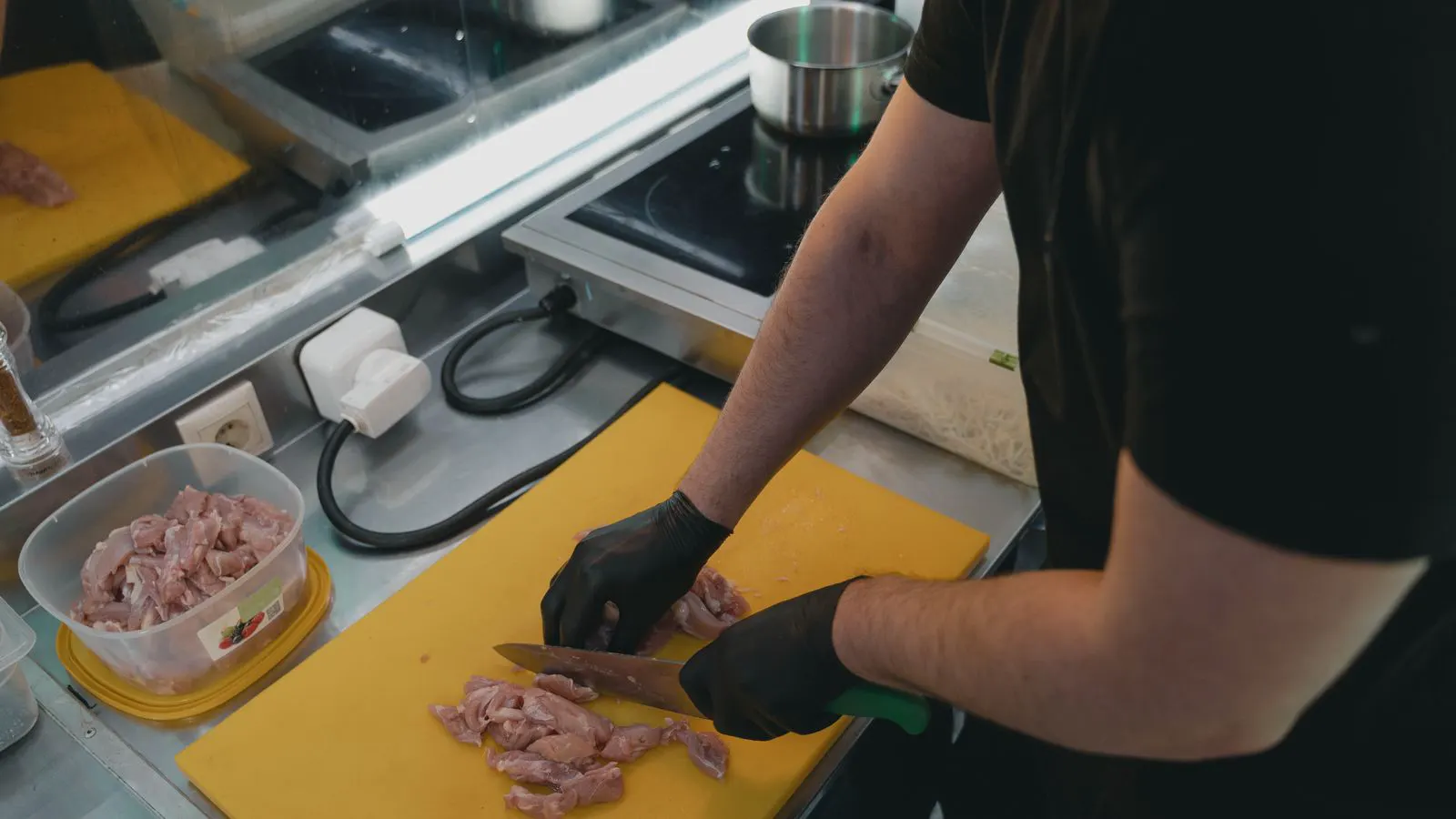
Vegetables present their own challenges. Dense vegetables like carrots and beets require high blade force. Soft vegetables like cucumbers and tomatoes need gentle feed pressure to avoid bruising. A slicer that works well for one vegetable type may not suit another. Consider the cross-section area of the vegetable as well. Large vegetables need slicers with wide blade spans and strong feed mechanisms.
Dairy products range from soft cheese to hard aged varieties. Soft cheese often requires a different blade type to prevent tearing. Hard cheese needs a sharp, rigid blade that can cut through dense protein structures. The moisture content of the cheese also affects blade interaction. High-moisture cheese may stick to the blade, requiring more frequent cleaning or a different blade coating.
Practical Evaluation Criteria for Procurement
When evaluating slicers for procurement, use a structured approach. Compare machines based on specific criteria that relate to your product density. The table below outlines key factors to consider.
| Criterion | What to look for | Why it matters |
|---|---|---|
| Blade Force Range | Adjustable tension controls, high torque drive | Ensures the blade can penetrate dense products without slipping |
| Feed Pressure | Rigid pusher plates, adjustable feed speed | Maintains consistent product alignment and slice thickness |
| Blade Type | Replaceable, sharpenable blades with appropriate edge angle | Cuts through dense materials without excessive wear |
| Product Support | Wide flat surfaces, adjustable guides | Handles irregular shapes and large product cross-sections |
| Cleaning Access | Removable guards, CIP access points, smooth surfaces | Reduces cleaning time and prevents residue buildup |
| Material Compatibility | Stainless steel grade, non-porous surfaces | Resists corrosion from preservatives, fats, and acids |
Focus on the blade force range. A slicer with a wide range can handle multiple product densities. If your facility processes both soft and dense items, this flexibility is valuable. If you only handle one product type, a specialized slicer may be more cost-effective. Check the feed pressure controls. You want to be able to adjust the force applied to the product. A fixed feed pressure may not work for varying product conditions.
Review the blade type and replacement process. Dense products wear blades faster. A slicer with easy blade replacement reduces downtime. Look for blades that can be sharpened in place or replaced with minimal tooling. The edge angle of the blade also matters. Different products require different edge geometries to cut cleanly. A slicer that allows blade customization offers more flexibility.
Decision Checklist for Final Selection
Before finalizing a food slicer purchase, run through this checklist. It helps ensure that the selected machine matches your product requirements and facility constraints.
- Confirm the product density range you will process. List the specific items and their texture properties.
- Match the slicer type to the product shape and size. Band slicers for cylindrical items, continuous cutters for large blocks.
- Verify the blade force and feed pressure can handle the densest product in your range.
- Check the hygienic cutting design. Ensure CIP access points and removable guards meet your sanitation standards.
- Review the blade replacement and sharpening process. Confirm that maintenance will not cause excessive downtime.
- Test the slicer with actual product samples. Observe cut quality, feed consistency, and any slippage or deformation.
- Evaluate the material compatibility. Ensure all product-contact surfaces resist corrosion from your specific products.
- Confirm the slicer integrates with your existing line layout and CIP system.
- Review the vendor’s support and spare parts availability. Dense products wear components faster, so spares should be accessible.
- Document the test results and compare them against the machine specifications.
This checklist provides a structured way to evaluate options. It focuses on the physical properties that determine slicer performance. By matching the machine to the product, you reduce the risk of failure and ensure consistent cut quality.
Common Failure Modes and How to Avoid Them
Understanding how slicers fail helps you avoid purchasing the wrong machine. Common failure modes include blade slippage, inconsistent slice thickness, and product jamming. Blade slippage occurs when the product density exceeds the blade’s cutting capacity. The blade loses contact with the product or moves without cutting. This often happens when the blade tension is too low or the product is too dense for the machine.
Inconsistent slice thickness usually relates to feed pressure or blade angle. If the feed pressure varies, the product moves unevenly against the blade. The result is slices of different thickness. Blade angle also affects cut quality. A dull blade or incorrect edge angle can create ragged cuts. This is more noticeable with dense products because they resist cutting more than soft items.
Product jamming happens when the product does not feed correctly. This can occur if the pusher plate is too weak for the product density or if the product shape does not match the feed mechanism. A dense product that shifts on the feed surface can jam the mechanism. To avoid these failures, test the slicer with the actual product. Do not rely solely on vendor claims. Observe the machine in action and note any issues.
Adjusting blade tension and feed pressure can often solve these problems. If the slicer is new and still within the warranty period, work with the vendor to optimize the settings. If the problem persists, the slicer may not be suitable for the product. In that case, a different machine design may be needed. Early testing prevents long-term downtime and ensures that the slicer will perform reliably in production.
Frequently asked questions
How do I know if my food slicer has enough blade force for dense products?
Test the slicer with the densest product you plan to process. If the blade slips or the product requires excessive manual pressure to feed, the blade force is insufficient for that density.
Can a single slicer handle both soft and dense products?
Yes, if it has adjustable blade tension and feed pressure controls. Look for machines with many cutting force and adjustable feed speed to accommodate varying product densities.
What is the difference between band slicers and continuous cutters for dense products?
Band slicers use a moving blade around a stationary product, which works well for cylindrical shapes. Continuous cutters use a fixed blade and a moving feed, which suits large blocks where high volume is needed.
How do I check if a slicer is suitable for hygienic cutting?
Verify that the slicer has removable guards, accessible CIP points, and smooth surfaces. All product-contact areas should be easy to clean and free of residue buildup.
What should I do if my slicer produces ragged cuts with dense products?
Check the blade sharpness and tension. A dull blade or incorrect tension often causes ragged cuts. Adjust the blade tension and sharpen or replace the blade if needed.