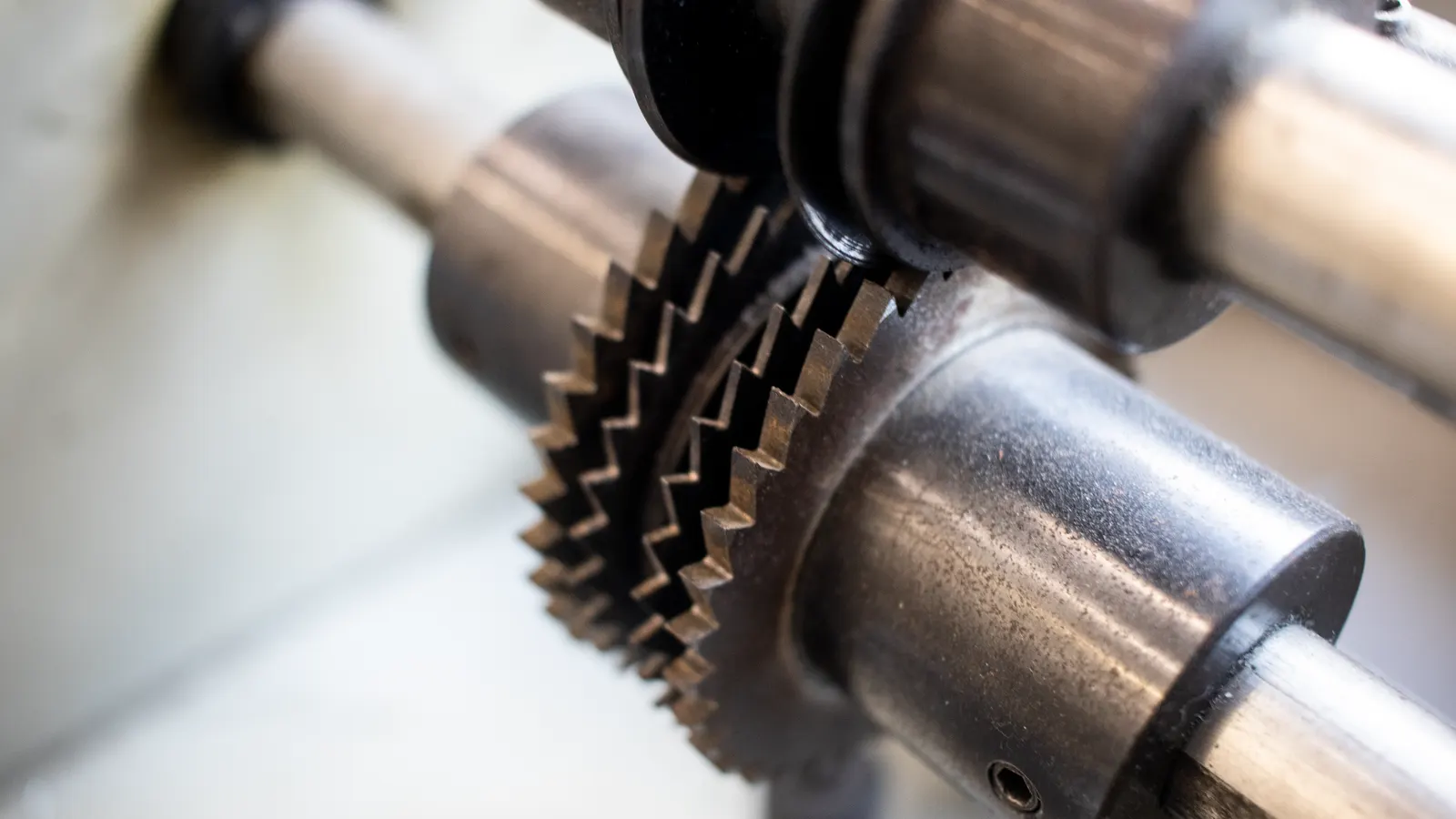
A rotary slicer blade system combines a rotating circular blade with a tensioning and support structure to cut food products. It determines cut consistency, blade life, and maintenance frequency. Engineers evaluate it based on material, geometry, and compatibility with the product being processed.
- The rotary slicer blade system is the core cutting component that defines product consistency and machine uptime.
- Blade material, edge geometry, and tensioning method directly affect cutting performance and maintenance intervals.
- Engineers must match the blade system to product density, speed, and CIP requirements during sourcing.
- Regular inspection of the blade edge and tensioning hardware prevents ragged cuts and unexpected downtime.
- Proper blade alignment and support reduce vibration, which extends tooling life and improves cut quality.
A rotary slicer blade system is the mechanical assembly that performs the primary cutting action in a rotary slicer. It consists of a circular cutting blade, a tensioning mechanism, a support structure, and the drive interface. For engineers, this system defines the machine’s performance envelope, maintenance schedule, and compatibility with specific food products.
What components make up a rotary slicer blade system
The core component is the circular blade itself. It is typically made from carbon steel, high-speed steel, or stainless steel, depending on the application. The blade edge is ground to a specific geometry, which determines how it interacts with the product surface.
The tensioning mechanism keeps the blade under controlled stress. This can be a manual bolt system, a spring-loaded assembly, or a hydraulic or pneumatic system. Tension affects the blade’s ability to maintain a sharp edge and resist vibration during rotation.
The support structure holds the blade in place and transfers cutting forces to the machine frame. It includes the blade mount, bearing housing, and any guard or shield. The drive interface connects the blade to the motor or reduction gearbox.
How blade geometry affects cut quality
The edge geometry of a rotary slicer blade is the most significant factor in cut consistency. A finer tooth profile produces cleaner cuts on delicate products but is more prone to clogging and dulling. A coarser profile handles dense products better and tolerates minor contamination.
The angle of the blade edge also matters. A steeper angle holds a sharper point but wears faster. A shallower angle resists chipping but may require more force to penetrate tough products. Engineers must match the edge geometry to the product density and the slicer speed.
The blade width and thickness influence the machine’s cutting capacity. A wider blade supports heavier loads and larger products but increases the force required for each cut. A thinner blade is easier to tension and rotate but has less structural support.
| Blade Feature | Effect on Cutting Performance | Typical Trade-off |
|---|---|---|
| Edge Geometry | Determines cut cleanliness and product surface finish | Fine teeth clog; coarse teeth produce rougher cuts |
| Blade Material | Affects wear resistance and corrosion resistance | Harder materials are brittle; softer materials dull faster |
| Blade Width | Supports larger products and higher loads | Wider blades increase rotational inertia and force |
| Tensioning Method | Maintains blade stability and edge sharpness | Manual systems require frequent adjustment; automatic systems add cost |
Why tensioning matters for maintenance and performance
Blade tension is not just about holding the blade in place. It controls the blade’s natural frequency and its resistance to deflection. A properly tensioned blade cuts with minimal vibration, which preserves the edge and produces consistent thickness.
When tension drops, the blade can chatter or deflect. This causes the edge to strike the product at an inconsistent angle, resulting in ragged cuts or varying thickness. It also accelerates wear on the bearing and drive components.
A properly tensioned blade also reduces the force required for each cut. This lowers the load on the motor and gearbox, extending their service life. Engineers should verify tension settings during initial commissioning and after any blade replacement.
The tensioning method must match the operating environment. In wet or corrosive environments, manual bolt systems may corrode or become difficult to adjust. Automatic tensioning systems can maintain consistent pressure but require regular inspection of springs or fluid lines.
How product density and speed influence blade selection
Product density is a primary factor in selecting a rotary slicer blade. Dense products, such as cured meats or frozen foods, require a blade with a harder edge and a coarser geometry to penetrate the material without chipping. Delicate products, such as fresh vegetables or soft cheeses, need a finer edge to avoid crushing or tearing.
Slicer speed also affects blade performance. At higher speeds, the blade experiences greater centrifugal force and heat. This requires a blade material with high heat resistance and a geometry that clears the product quickly. At lower speeds, the blade can be more aggressive in its cut, but the edge must remain sharp to avoid dragging.
Engineers must consider the combination of product density and speed when specifying the blade system. A blade that performs well at low speed on soft products may fail quickly at high speed on dense products. The blade system must be matched to the intended operating profile.
Maintenance requirements and performance limits
The rotary slicer blade system has clear performance limits. The maximum product diameter is determined by the blade diameter and the machine’s throat opening. The maximum cutting force is limited by the blade material and the drive system. Exceeding these limits can cause blade breakage, motor overload, or machine damage.
Maintenance is primarily focused on the blade edge and the tensioning mechanism. The blade edge must be inspected for nicks, chips, and wear. The tensioning hardware must be checked for corrosion, looseness, and proper adjustment. The bearing housing must be lubricated according to the manufacturer’s schedule.
The blade system also affects the machine’s Clean-in-Place (CIP) capability. The support structure and guard must allow water and cleaning agents to reach all surfaces. If the blade mount creates a sealed cavity, it can trap food residue and promote bacterial growth. Engineers should verify that the blade system design aligns with the plant’s CIP protocols.
Sourcing considerations for engineering teams
When sourcing a rotary slicer, engineers should prioritize the blade system over cosmetic features. The blade material, geometry, and tensioning method define the machine’s long-term performance. A high-quality blade system can compensate for minor limitations in the drive or frame.
The supplier should provide detailed specifications for the blade system. This includes blade material grade, edge geometry, tensioning method, and maximum operating speed. The supplier should also specify the blade replacement interval and the required tools for adjustment.
Compatibility is critical. The blade system must be compatible with the machine’s CIP system and the product being processed. If the blade system requires a specific type of lubricant or cleaning agent, it must be available in the plant. If the blade system is not compatible with the existing CIP protocol, it may create a compliance risk.
Engineers should also consider the cost of ownership. A high-quality blade system may have a higher initial cost, but it reduces downtime and extends the life of the drive components. A low-cost blade system may save money upfront, but frequent replacements and repairs can outweigh the savings.
One worked example in plain words
Consider a plant that processes dense, cured meat into uniform slices for retail. The engineer selects a rotary slicer with a high-speed steel blade, a coarser edge geometry, and a hydraulic tensioning system. The blade is wide enough to handle large logs of meat and strong enough to cut through dense product without chipping.
The hydraulic tensioning system maintains consistent blade pressure during operation. This prevents vibration and keeps the cut thickness uniform. The blade support structure is designed for CIP access, allowing water and detergent to reach the blade mount and bearing housing.
During commissioning, the engineer verifies the blade tension and alignment. The plant operator is trained to inspect the blade edge after each shift and to adjust the tension if the cut quality changes. This routine maintenance prevents ragged cuts and extends the blade life.
The result is a consistent product with minimal downtime. The blade system is matched to the product density and the plant’s CIP requirements, ensuring reliable performance over the machine’s service life.
Verifying the blade system during commissioning
Before the rotary slicer enters full production, the blade system must be verified. The engineer should check the blade alignment, tension, and rotation speed. The blade edge should be inspected for any damage or contamination. The tensioning hardware should be checked for proper adjustment and secure attachment.
The engineer should also test the blade system under load. The machine should be run with the intended product to verify that the cut quality is consistent and that the blade does not deflect or vibrate. The motor current should be monitored to ensure that the blade system is not imposing excessive load on the drive.
Documentation is key. The engineer should record the blade specifications, tension settings, and any adjustments made during commissioning. This documentation should be shared with the maintenance team to ensure that the blade system is maintained consistently.
The blade system is the heart of the rotary slicer. Its design, material, and maintenance directly determine the machine’s performance and reliability. By understanding the components, geometry, tensioning, and maintenance requirements, engineers can specify and commission a rotary slicer that meets the plant’s production needs.
Frequently asked questions
What is the most common material used for a rotary slicer blade?
High-speed steel is the most common material for rotary slicer blades. It offers a good balance of hardness, wear resistance, and ease of sharpening. Stainless steel is used in applications where corrosion resistance is a priority.
How often should a rotary slicer blade be sharpened?
The sharpening interval depends on the product type and the blade material. Blades cutting dense or abrasive products may need sharpening more frequently. Blades cutting delicate products may retain their edge longer. Regular inspection is required to determine the actual interval.
Can a manual tensioning system be used in a high-volume production environment?
Manual tensioning systems can be used in high-volume environments, but they require more frequent operator attention. The tension must be checked and adjusted regularly to maintain cut quality. Automatic tensioning systems are often preferred in high-volume applications for their consistency.
What causes a rotary slicer blade to produce ragged cuts?
Ragged cuts are usually caused by a dull blade, incorrect tension, or a misaligned blade. A dull blade drags through the product instead of cutting cleanly. Incorrect tension causes the blade to vibrate or deflect. A misaligned blade strikes the product at an inconsistent angle.
How does the blade system affect CIP compliance?
The blade system affects CIP compliance through its design. If the blade mount or support structure creates a sealed cavity, food residue can be trapped. This can lead to bacterial growth and a failure of CIP verification. Engineers should verify that the blade system design allows for complete cleaning.