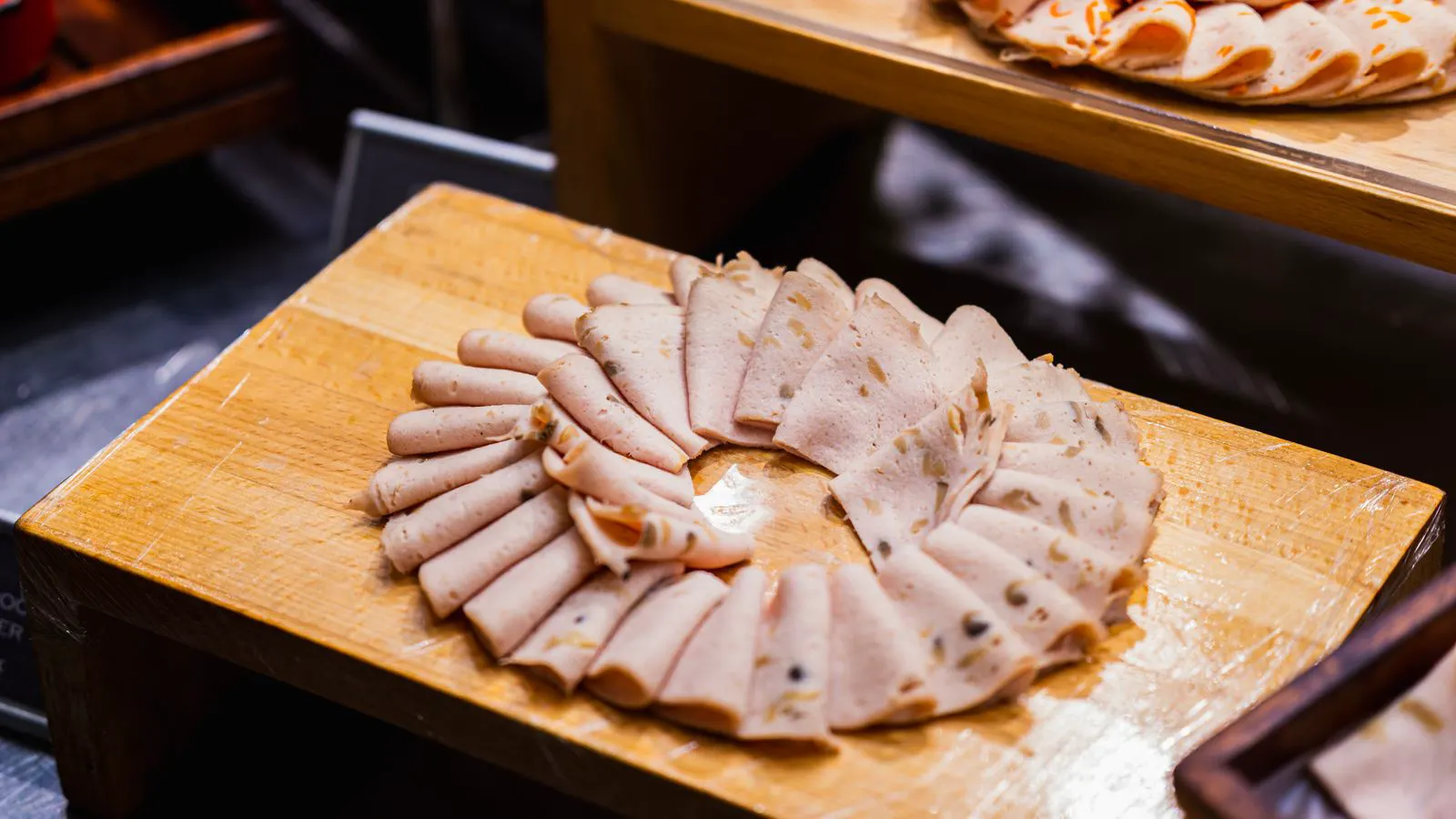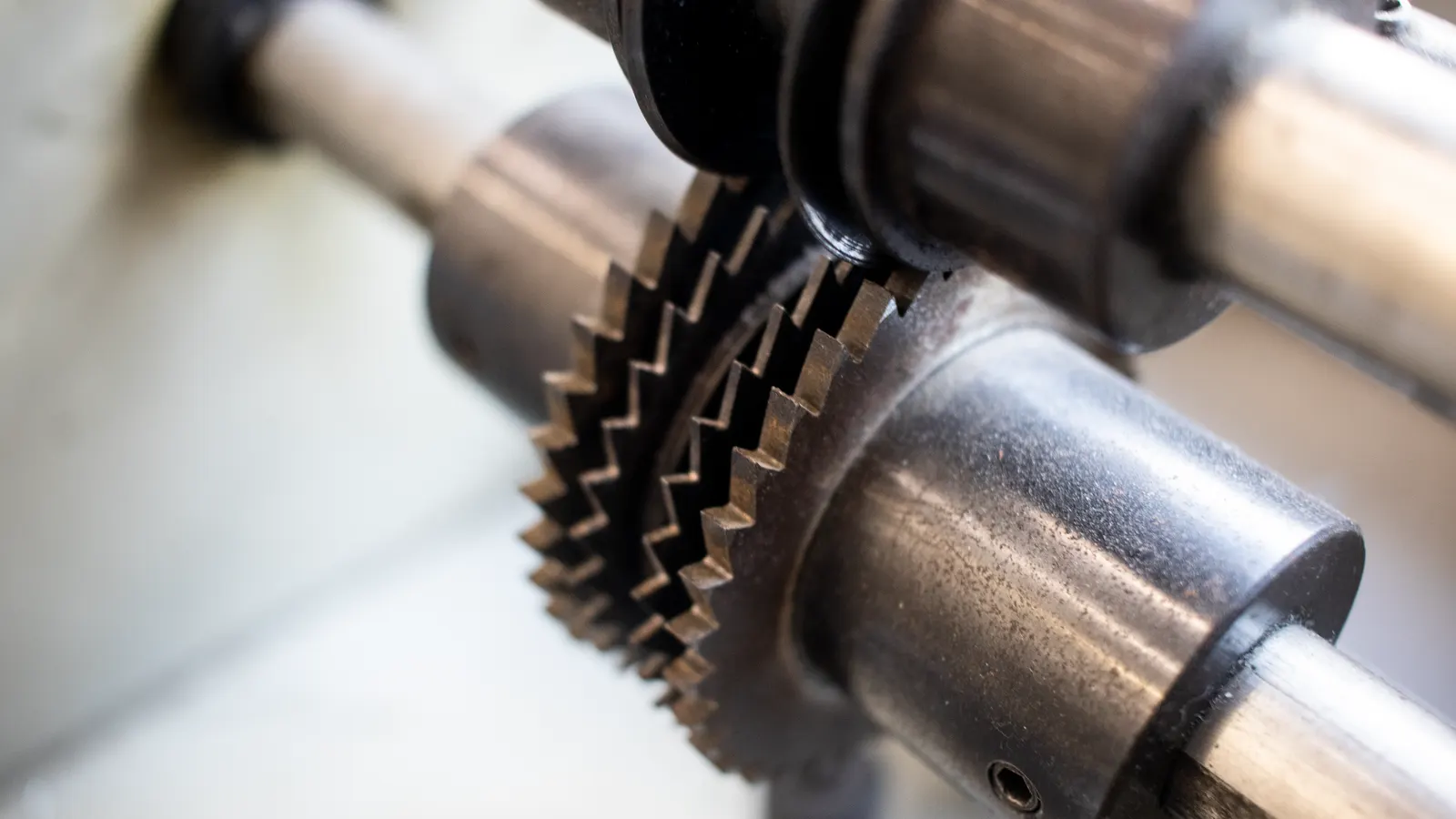
Continuous cutters suit high-speed, uniform products like sausage and cheese, while band slicers handle irregular shapes and delicate items. Choose based on product geometry, target thickness, and throughput.
- Continuous cutters excel at high-volume, uniform products but demand precise feed control
- Band slicers handle irregular shapes and delicate items with better manual adjustment
- Cut quality depends on blade condition, feed speed, and product temperature
- Throughput and product tolerance define the best fit for each machine type
Which machine fits your product
Band slicers and continuous cutters solve different problems. Band slicers use a rotating blade to slice product held against a carriage or feed plate. Continuous cutters move product through a fixed blade or cutter wheel at high speed, producing uniform slices without manual positioning.
The choice hinges on product geometry, target thickness, and production volume. Irregular, soft, or delicate items favor band slicers. Uniform, high-speed lines favor continuous cutters. Mismatching the machine to the product creates ragged cuts, variable thickness, and excessive waste. A facility processing both hard, uniform cheeses and soft, irregular cured meats will struggle with a single machine type. The decision starts with the physical properties of the raw material. If the product holds its shape under mechanical feed, a continuous cutter becomes the primary candidate. If the product deforms or shifts under pressure, a band slicer handles the work better.
How band slicers perform
A band slicer rotates a circular blade in a tensioned band. The operator or an automated feed moves the product against the blade. Each slice forms in a single pass. The blade edge stays exposed and accessible for quick cleaning. The blade runs on a narrow band of steel or composite material, which allows for a long, continuous edge. This design keeps the cutting surface sharp for longer periods compared to a standard circular saw blade.
Band slicers handle cheese, cured meats, deli items, and irregular vegetables. They tolerate soft products that would deform under high-speed feed. The carriage gives operators direct control over slice position. Operators can pause the feed, adjust the product angle, and start again without stopping the blade. This manual control is a major advantage for products like smoked salmon or soft brie. The blade cuts through the product gently, preserving the texture and appearance of the final slice.
The main limitation is speed. Each slice requires a feed-and-cut cycle. At high volumes, this cycle time accumulates. Blade edge wear also affects cut quality more noticeably than in continuous systems, where the edge engages continuously. A band slicer blade must be replaced or sharpened more often to maintain a clean cut. The exposed blade requires careful guarding to protect operators during the feed cycle.
How continuous cutters operate
Continuous cutters feed product through a blade or cutter wheel without a manual carriage. The product moves at a set speed, and the blade produces a slice at each pass. Some designs use multiple blades or a rotating cutter ring for multiple thicknesses simultaneously. The blade can be a straight edge or a toothed wheel, depending on the product type.
The feed system is the critical component. A positive drive or vacuum-assisted feed keeps product moving steadily. The blade stays stationary or rotates at a fixed speed. Product thickness depends on feed speed and blade geometry. The feed mechanism uses rollers, belts, or suction cups to grip the product. These components transfer force directly to the product, ensuring it moves at the exact speed required for the desired slice thickness.
Continuous cutters suit sausage, cheese, bread, and uniform sticks. They run faster than band slicers and maintain consistent thickness over long runs. The trade-off is product flexibility. Irregular shapes jam or feed unevenly. Delicate products compress before the blade, creating crushed edges. The machine demands consistent input. If the product diameter varies, the slice thickness will vary. This makes continuous cutters ideal for products that go through a forming stage before slicing.
Performance comparison
| Option | Best for | Limitations |
|---|---|---|
| Band slicers | Irregular shapes, delicate items, manual adjustment | Lower throughput, blade wear affects cut quality |
| Continuous cutters | High-volume uniform products, set thickness | Product geometry restrictions, feed system complexity |
| Guillotine cutters | Thick cuts, sturdy items | Lower speed, larger footprint |
| Rotary cutters | Medium throughput, multiple thicknesses | More maintenance, product size limits |
The table shows the core trade-offs. Band slicers win on flexibility. Continuous cutters win on speed and consistency. Guillotine cutters handle thick cuts that would deform in high-speed feed. Rotary cutters offer intermediate throughput with multiple blade options. Each machine type has a specific role in a food processing plant. Selecting the wrong machine leads to inefficiency and product waste.
When to pick a band slicer
Choose a band slicer when the product changes shape between batches. A cheese slicer that handles aged cheddar and soft brie needs the carriage adjustment that a band slicer provides. Delicate cured meats compress easily. A high-speed feed would crush them. A band slicer slices gently, preserving texture. The operator can adjust the pressure of the feed plate to match the product firmness.
Manual operation also matters. If operators need to position product by eye, a band slicer gives that control. The feed plate and carriage let them align irregular items. Continuous cutters demand uniform product shape to avoid feed jams. A band slicer allows the operator to place a lumpy piece of cheese or a twisted sausage link exactly where it needs to be cut.
Maintenance favors band slicers for small facilities. Blade replacement is straightforward. The exposed edge allows quick inspection. Continuous cutters hide the blade inside a housing, requiring more disassembly for cleaning and sharpening. Band slicers are also easier to clean between product types. The carriage and feed plate are exposed and can be washed down easily.
When to pick a continuous cutter
Pick a continuous cutter when throughput drives the line. A sausage line running multiple shifts needs a cutter that keeps product moving without manual positioning. The feed speed sets slice thickness. Once dialed in, the machine runs consistently for hours. The operator sets the speed and the machine does the work. This reduces labor costs and human error.
Uniform product geometry is the requirement. Sausages, cheese sticks, and bread loaves feed evenly. The cutter produces identical slices. Waste stays low because each slice hits the target thickness. The consistency of the output is key for packaging lines that require precise dimensions. A continuous cutter provides the repeatability that automated packaging systems need.
The feed system determines long-term performance. A worn feed roller creates variable thickness. A clogged vacuum feed causes product to skip. Inspect the feed mechanism before blaming the blade. Most thickness variation in continuous cutters traces to feed issues, not blade wear. Regular maintenance of the feed rollers and suction cups is required to maintain quality.
Cut quality and maintenance
Ragged cuts often come from blade dullness, not machine type. Both band slicers and continuous cutters produce clean cuts with a sharp edge. A dull band slicer blade creates a torn edge. A dull continuous cutter blade creates a compressed, crushed slice. The condition of the blade directly impacts the final product appearance.
Blade alignment matters more in continuous cutters. The blade must match the feed path exactly. A slight misalignment creates a beveled edge on every slice. Band slicers tolerate more alignment variation because the carriage centers the product. The operator adjusts the product position to compensate for minor blade issues.
Temperature affects both machines. Cold product cuts clean. Warm product compresses and creates uneven slices. A cheese line running at room temperature will see more defects than one that chills product before cutting. Temperature control is a critical factor in slice quality. Facilities must manage the temperature of the product as it moves through the line.
Inspect blade alignment regularly. Check the gap between blade and feed surface. Replace blades before the edge dulls beyond repair. A small investment in blade replacement prevents a line of defects. Proper maintenance schedules ensure that the blade is always in optimal condition.
Throughput and line integration
Continuous cutters integrate better into high-speed lines. They connect directly to forming machines and packaging. The product moves through a single path without manual handling. Band slicers require an operator at the carriage for each batch change. The integration of a continuous cutter into a production line is smooth. The product flows from the former to the cutter and then to the packaging machine without interruption.
The integration cost shows in labor. A continuous cutter line runs with fewer hands. A band slicer line needs an operator to position product and clear jams. Factor labor into the decision. The machine price difference may be smaller than the labor difference. A plant with tight labor availability will benefit from a continuous cutter. A plant with ample labor may find a band slicer sufficient.
Space also matters. Continuous cutters take a linear footprint. Band slicers take a compact space but need operator access around the carriage. A tight plant floor may favor the continuous cutter. A larger floor may favor the band slicer for flexibility. The layout of the plant influences the machine selection.
Final selection criteria
Match the machine to the product. Irregular shapes, delicate items, and batch changes point to band slicers. Uniform products, high throughput, and fixed thickness point to continuous cutters. Do not force a continuous cutter to handle a product that needs manual positioning. Do not force a band slicer to meet a volume that demands high-speed feed. The physical properties of the product dictate the machine choice.
Check the feed system. For continuous cutters, verify the feed rollers, vacuum cups, or positive drive. For band slicers, verify the carriage and feed plate. The feed system creates more variation than the blade in most lines. A well-maintained feed system ensures consistent product movement.
Inspect the blade. A sharp, well-aligned edge produces clean cuts on either machine. Replace blades before the edge dulls. Check alignment after each blade change. A small gap error creates a beveled edge on every slice. Blade condition and alignment are the primary determinants of cut quality.
Test with real product. Run the actual product at target speed. Measure thickness variation. Check for ragged edges or crushed slices. The test reveals issues that specifications do not. Choose the machine that handles your product at your volume without defects.
Frequently asked questions
Can a continuous cutter handle irregular product shapes?
No, continuous cutters require uniform geometry for steady feed. Irregular shapes jam the feed or create variable thickness.
Which machine has lower maintenance?
Band slicers have simpler maintenance. The exposed blade allows quick cleaning and replacement. Continuous cutters require more disassembly for blade service.
How does product temperature affect cut quality?
Cold product cuts clean. Warm product compresses before the blade, creating uneven or crushed slices. Chill product before cutting.
Can I switch between band slicer and continuous cutter?
Not on the same line. Each machine requires a different feed system and operator workflow. Plan the line around one cutting method.
What causes most thickness variation?
Feed system issues cause most variation. Worn rollers, clogged vacuum feeds, or loose tension create variable product speed. Inspect the feed before replacing the blade.