Food slicer cost ranges widely based on capacity, automation, and safety features, while equipment lead time depends on supplier capacity and customization. To estimate total acquisition cost, include installation, training, and maintenance. A clear RFQ helps buyers compare quotes fairly and secure realistic delivery schedules.
- Food slicer cost varies significantly based on throughput capacity, blade technology, and level of automation.
- Equipment lead time often extends beyond standard stock models when custom configurations or specific safety features are required.
- A well-structured RFQ with clear specifications allows buyers to compare quotes fairly and identify hidden costs.
- Total procurement budget should include installation, operator training, spare parts, and ongoing maintenance contracts.
Why Food Slicer Cost Varies Widely
The food slicer cost for industrial operations rarely follows a single price point. Buyers often encounter wide ranges because slicers are engineered to handle specific volumes, product types, and production speeds. A small commercial unit designed for a deli counter differs vastly from a high-speed, automated slicing line used in large-scale meat or cheese processing.
Understanding these differences helps procurement teams create a realistic procurement budget. The final price is determined by a combination of mechanical complexity, material quality, and the level of integration required with existing production lines.
What Drives the Price of a Food Slicer
Several technical and operational factors directly influence the final cost of the equipment.
- Throughput Capacity: Slicers capable of processing hundreds of kilograms per hour require reinforced frames, powerful motors, and larger blade assemblies. Higher capacity increases the initial investment.
- Automation Level: Manual or semi-automatic units are generally more affordable. Fully automated slicers with robotic loading, computer-controlled thickness adjustment, and integrated packaging systems command higher prices due to the complexity of the control systems and sensors.
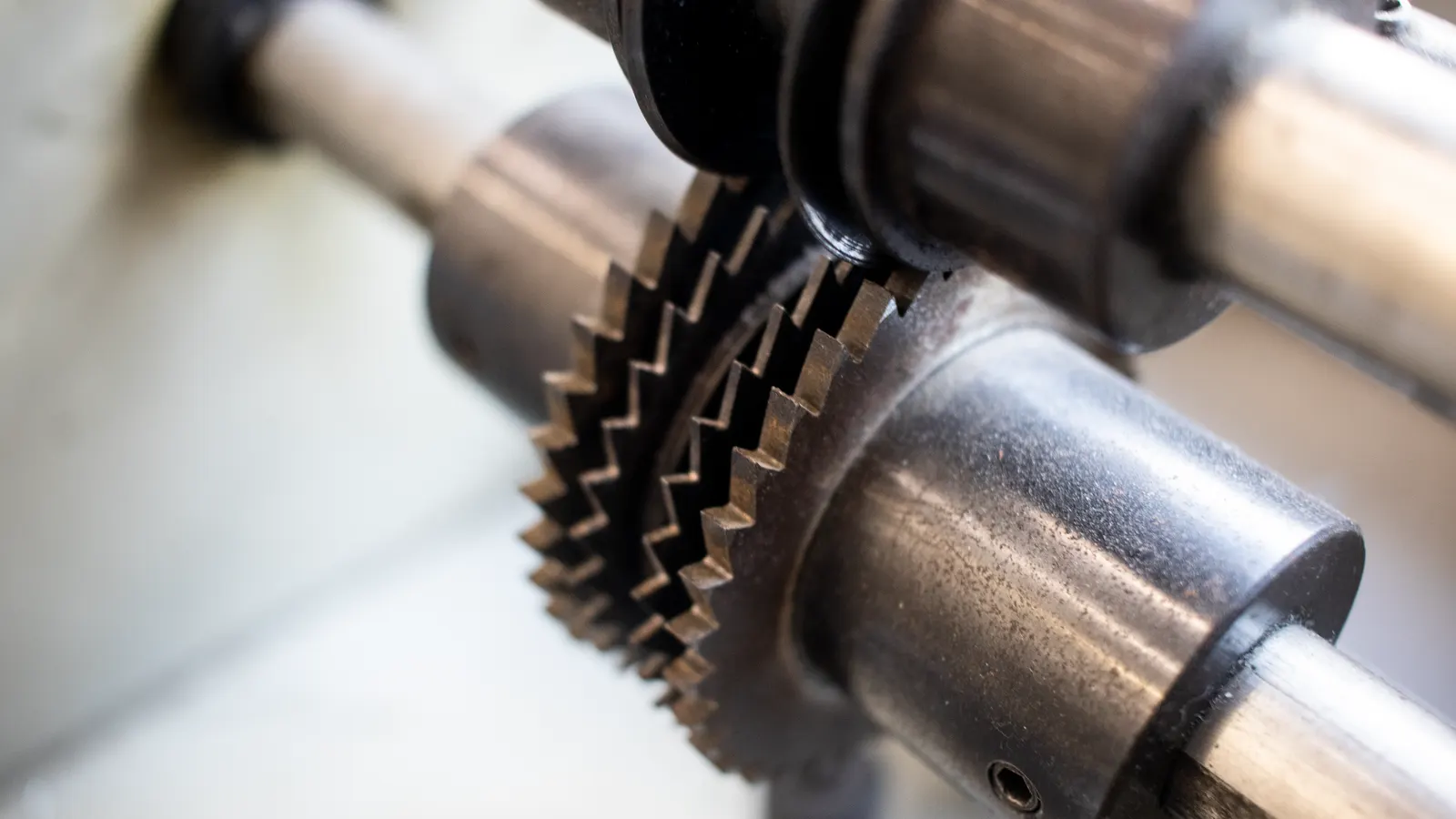
- Material and Build Quality: Industrial-grade stainless steel construction is standard, but specific grades and finishes can affect cost. Components such as bearings, gears, and blade mechanisms vary in durability and replacement frequency, impacting both upfront and long-term costs.
- Safety and Compliance Features: Advanced safety guards, light curtains, and emergency stop systems are mandatory in many regions. The complexity of these safety integrations adds to the machine’s price.
- Customization: If a buyer requires specific dimensions, non-standard voltage, or unique product handling capabilities, the equipment may need custom engineering. Custom builds increase both the cost and the lead time.
Equipment Lead Time: What to Expect
Equipment lead time is often the second major variable in procurement planning. While some standard models may be available from a supplier’s inventory, most industrial slicers are built to order.
- Standard Models: These may have shorter lead times, often ranging from a few weeks to a couple of months, depending on the manufacturer’s current production schedule.
- Custom Configurations: Adding automation, specific safety features, or non-standard designs can extend the timeline significantly. Lead times for highly customized systems can take several months.
- Shipping and Logistics: International shipping, customs clearance, and final destination delivery all contribute to the total lead time. Buyers in different regions may experience varying delivery windows.
- Installation and Commissioning: The lead time is not complete until the machine is installed, tested, and handed over to the operator. This phase can add weeks, especially if the facility requires specific modifications to accommodate the equipment.
How to Write a Clear RFQ for Slicers
A Request for Quotation (RFQ) is the primary tool for comparing food slicer cost and equipment lead time. A vague RFQ often leads to quotes that are difficult to compare or miss critical specifications.
To write an effective RFQ, include the following details:
- Product Specifications: Clearly state the type of product to be sliced (e.g., cheese, ham, vegetables), the desired slice thickness range, and the required throughput (kg/hour or units/hour).
- Capacity and Speed: Define the minimum and maximum production rates the machine must achieve.
- Automation Requirements: Specify if robotic loading, automatic thickness adjustment, or integration with packaging equipment is required.
- Safety and Compliance: List any specific safety standards or regional regulations the machine must meet.
- Installation Requirements: Describe the available floor space, power supply (voltage, phase), and any necessary utilities.
- Warranty and Support: Request details on warranty length, spare parts availability, and local service support.
How to Compare Quotes Fairly
Receiving multiple quotes is essential for determining the best value. However, comparing quotes requires more than just looking at the sticker price.
- Total Cost of Ownership: Evaluate the long-term cost, including energy consumption, maintenance intervals, and spare parts costs. A slightly more expensive machine with lower maintenance needs may offer better value over time.
- Lead Time Alignment: Ensure the quoted delivery date aligns with your production schedule. A cheaper machine with a long lead time may not be feasible if you need the equipment operating soon.
- Supplier Reputation and Support: Consider the manufacturer’s track record, customer service, and the quality of their training programs. Reliable support can reduce downtime and extend the equipment’s lifespan.
- Installation and Commissioning: Check if the quote includes on-site installation and operator training. Excluding these services can lead to unexpected costs and delays.
Cost Drivers at a Glance
The table below summarizes the primary factors affecting the food slicer cost and delivery timeline.
| Cost/Time Driver | Impact on Price | Impact on Lead Time |
|---|---|---|
| Throughput Capacity | Higher capacity increases price | May require longer manufacturing |
| Automation Level | Automation adds significant cost | Custom integration extends timeline |
| Material Quality | Premium materials increase cost | May be in stock or custom-ordered |
| Safety Features | Advanced safety systems add cost | Standard features are quicker to install |
| Customization | Custom builds increase price | Custom engineering adds months |
| Shipping Distance | International shipping adds cost | Logistics delays can extend delivery |
Planning Your Procurement Budget
When planning the procurement budget, it is crucial to look beyond the initial machine price. The total acquisition cost includes several additional elements:
- Installation: Costs for site preparation, electrical connections, and physical setup.
- Training: Operator and maintenance staff training to ensure safe and efficient use.
- Spare Parts: Initial stock of critical spare parts to prevent early downtime.
- Maintenance Contracts: Annual service agreements for inspections, repairs, and upgrades.
- Regulatory Fees: Any local permits, inspections, or compliance fees required for new food processing equipment.
Including these items in your budget ensures that you are financially prepared for the entire lifecycle of the equipment acquisition.
Final Thoughts
Estimating the food slicer cost and equipment lead time requires a detailed understanding of your production needs. By defining clear specifications in your RFQ and comparing quotes based on total cost of ownership, you can make a well-informed decision. Paying attention to lead times and installation requirements will help you avoid production disruptions and ensure a smooth transition to the new equipment.
Frequently asked questions
What is the average lead time for a standard industrial food slicer?
Lead times for standard models can vary from a few weeks to a couple of months. Custom or automated systems often take several months to deliver.
How does automation affect the food slicer cost?
Automation significantly increases the cost due to the complexity of control systems, sensors, and robotic components. However, it can improve efficiency and reduce labor costs over time.
Should I include installation and training in my procurement budget?
Yes, it is essential to include installation, commissioning, and operator training in your budget. These services ensure the machine is set up correctly and your staff can operate it safely.
Can I compare quotes if they have different specifications?
It is difficult to compare quotes directly if specifications differ. You should request that suppliers align their quotes with your specific RFQ requirements for a fair comparison.
Are spare parts included in the initial cost?
Usually, spare parts are not included in the initial cost of the machine. It is recommended to budget for an initial stock of critical spare parts to minimize downtime.