HPP technology is evolving to offer non-thermal sterilization options that preserve food quality. Buyers should watch shifts in equipment design, integration, and product ranges. This guide outlines practical trends for modernizing food processing machinery and ensuring safety compliance.
- HPP technology is expanding beyond fresh juices into ready-to-eat foods and high-moisture products.
- Equipment design is shifting toward smaller, modular, and more easily integrated HPP units.
- Non-thermal sterilization is becoming a key strategy for preserving texture and nutrients while meeting safety standards.
- Buyers should prepare by reviewing product compatibility, line speed requirements, and validation needs.
- Future lines will likely combine HPP with other preservation methods for balanced safety and quality.
High Pressure Processing (HPP) technology is gaining traction in the food industry as a practical approach to non-thermal sterilization. Unlike heat-based methods, HPP uses intense pressure to inactivate microorganisms without raising the product temperature. This makes it attractive for sensitive products where heat degrades texture, color, or flavor. As food safety expectations rise, more processors are evaluating HPP as part of their preservation strategy.
How HPP Technology Works in Modern Plants
HPP technology operates by subjecting food to extremely high hydrostatic pressure, typically in a sealed chamber filled with water. The pressure penetrates the product matrix and disrupts microbial cell structures, including enzymes and spores. Because the process is isothermal, the food remains at its original temperature. This is a defining advantage for fresh, cold, or heat-sensitive items. In a typical plant, the product is placed in a bag or pouch, which is then transferred into the chamber. The system cycles through pressure ramps, holds, and depressurization. Modern controls allow operators to adjust cycles based on product type and target shelf life.
Emerging Trends in Equipment Design
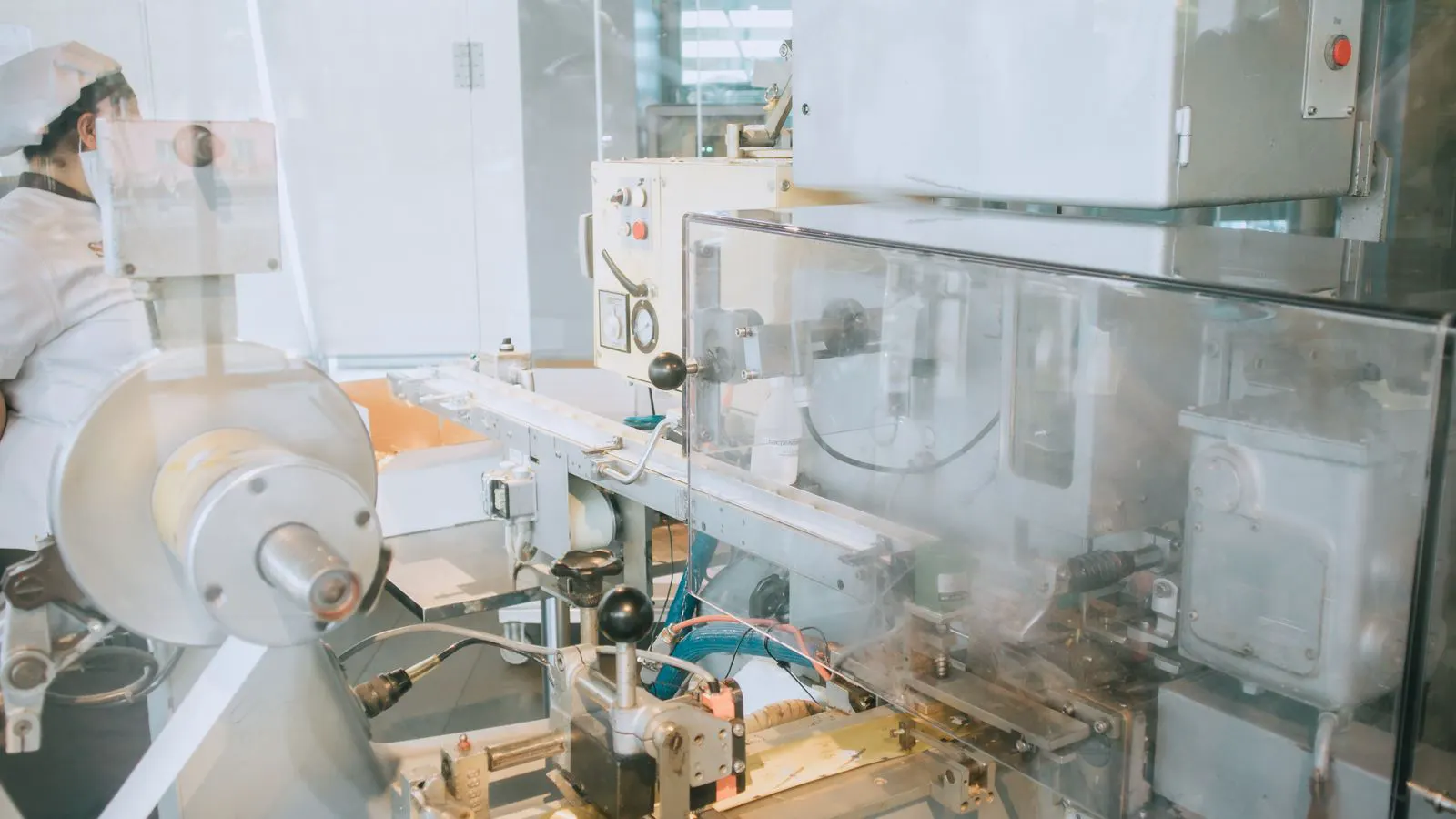
One of the most visible trends is a shift toward modular and compact HPP units. Earlier systems were often large, fixed installations that required dedicated floor space and significant installation time. Newer designs are more flexible and easier to integrate into existing lines. Some systems now offer smaller chamber sizes for batch processing, while others are designed for continuous flow. This flexibility allows processors to pilot new products without overcommitting to a full-scale line. Buyers are also seeing improvements in chamber materials, seal systems, and automation. Faster cycle times and reduced manual handling are key priorities, as they support higher throughput and better labor efficiency.
Expansion of Product Applications
HPP technology is no longer limited to juices and smoothies. The product range is expanding to include ready-to-eat salads, cooked meats, seafood, dairy-based foods, and some high-moisture snacks. This expansion is driven by consumer demand for fresh, minimally processed foods that still meet safety and shelf-life targets. For example, HPP can be used after cooking for certain meat products to extend refrigerated life without adding preservatives. It is also applied to raw vegetables and fruit-based items where traditional pasteurization would damage texture. The key factor is product compatibility. High-moisture foods generally respond well to pressure, while low-moisture items may require different approaches or combination treatments.
Non-Thermal Sterilization and Safety Compliance
Non-thermal sterilization is becoming a more recognized category in food safety planning. HPP technology fits into this category because it can reduce microbial load without heat. However, it is important to note that HPP is not always a complete sterilization method for all pathogens, especially heat-resistant spores, depending on the product and process parameters. Therefore, many facilities use HPP as part of a broader safety system, including good manufacturing practices, ingredient controls, and sometimes combination treatments. Buyers should evaluate HPP in the context of their specific product risks and regulatory requirements. Documentation and validation are essential for proving safety and shelf life.
| HPP Application Area | Typical Benefit | Consideration for Buyers |
|---|---|---|
| Fresh juices and smoothies | Preserves flavor and nutrients | Requires packaging compatible with pressure cycles |
| Ready-to-eat vegetables | Extends refrigerated shelf life | Product size and packing density affect pressure penetration |
| Cooked meats | Reduces microbial load without heat damage | Often used after thermal processing as a finishing step |
| Seafood and shellfish | Maintains fresh texture | High moisture content supports effective pressure transfer |
| Dairy-based products | Supports clean-label preservation | Viscosity and packaging influence cycle performance |
Integration with Existing Processing Lines
A major challenge for processors is integrating HPP technology into existing lines without major disruption. Modern systems are being designed to connect more easily with upstream and downstream processes. Some plants use HPP as a final step before packaging, while others incorporate it between washing, cooking, and filling. The transition from batch to continuous processing is another trend. Continuous HPP units can handle higher volumes and reduce the need for manual transfer. However, they also require careful control of product flow, pressure stability, and packaging integrity. Buyers should plan for training, maintenance access, and space for the new equipment. A phased rollout is often more practical than a complete line replacement.
Preparation for Future Technology Shifts
To stay ahead, food processors should prepare for several shifts in HPP technology and non-thermal sterilization. First, expect more standardized and transparent performance data from suppliers. As the technology matures, buyers will need reliable information on cycle effectiveness, equipment life, and maintenance. Second, look for systems that support data logging and traceability. This is important for compliance and for understanding process performance over time. Third, evaluate HPP as part of a combined preservation strategy. Many plants will use HPP alongside packaging, refrigeration, and other controls to achieve the desired safety and quality balance. Finally, involve your process engineers and food safety team early in the evaluation. They can help define the right parameters and validate the process for your specific products.
Key Questions to Ask Before Investing
Before selecting an HPP system, buyers should ask targeted questions. What products have been successfully processed with this technology? What are the typical cycle times and throughput rates? How does the system handle different packaging materials? What is the maintenance schedule and expected life of critical components? How is the process validated and documented? These questions help separate practical, proven solutions from experimental options. They also support a more informed comparison between different equipment designs. A well-structured evaluation process reduces risk and helps ensure that the HPP technology investment aligns with your long-term food safety and quality goals.
The Path Forward for Food Processing
HPP technology is moving from a niche option to a more established part of food processing machinery. Its value lies in the ability to support non-thermal sterilization while preserving product quality. As equipment becomes more efficient and easier to integrate, more plants are likely to adopt it. The key for buyers is to approach HPP as a practical tool within a broader food safety and preservation plan. By understanding the current trends and preparing for future shifts, processors can make informed decisions that support both safety compliance and product performance.
Frequently asked questions
Is HPP technology considered true sterilization?
HPP technology is often described as non-thermal sterilization, but its effectiveness depends on the product and target microorganisms. It may not inactivate all heat-resistant spores, so it is often used as part of a broader safety system.
Can HPP be used on low-moisture foods?
HPP works best on high-moisture foods because pressure penetrates the product matrix more effectively. Low-moisture items may not respond as well, so alternative or combination methods may be needed.
What is the main advantage of HPP over heat pasteurization?
The main advantage is that HPP preserves texture, color, and flavor by avoiding heat. This is especially useful for fresh, cold, or heat-sensitive products.
How long does a typical HPP cycle take?
Cycle time varies by product, packaging, and equipment design. Some cycles can be short, while others require longer holds and depressurization. Suppliers can provide specific timing for your product.
Do I need to revalidate my food safety plan after adding HPP?
Yes. Adding HPP to your process usually requires updated validation, especially for shelf-life claims and safety targets. Work with your food safety team and equipment supplier to document the new process.