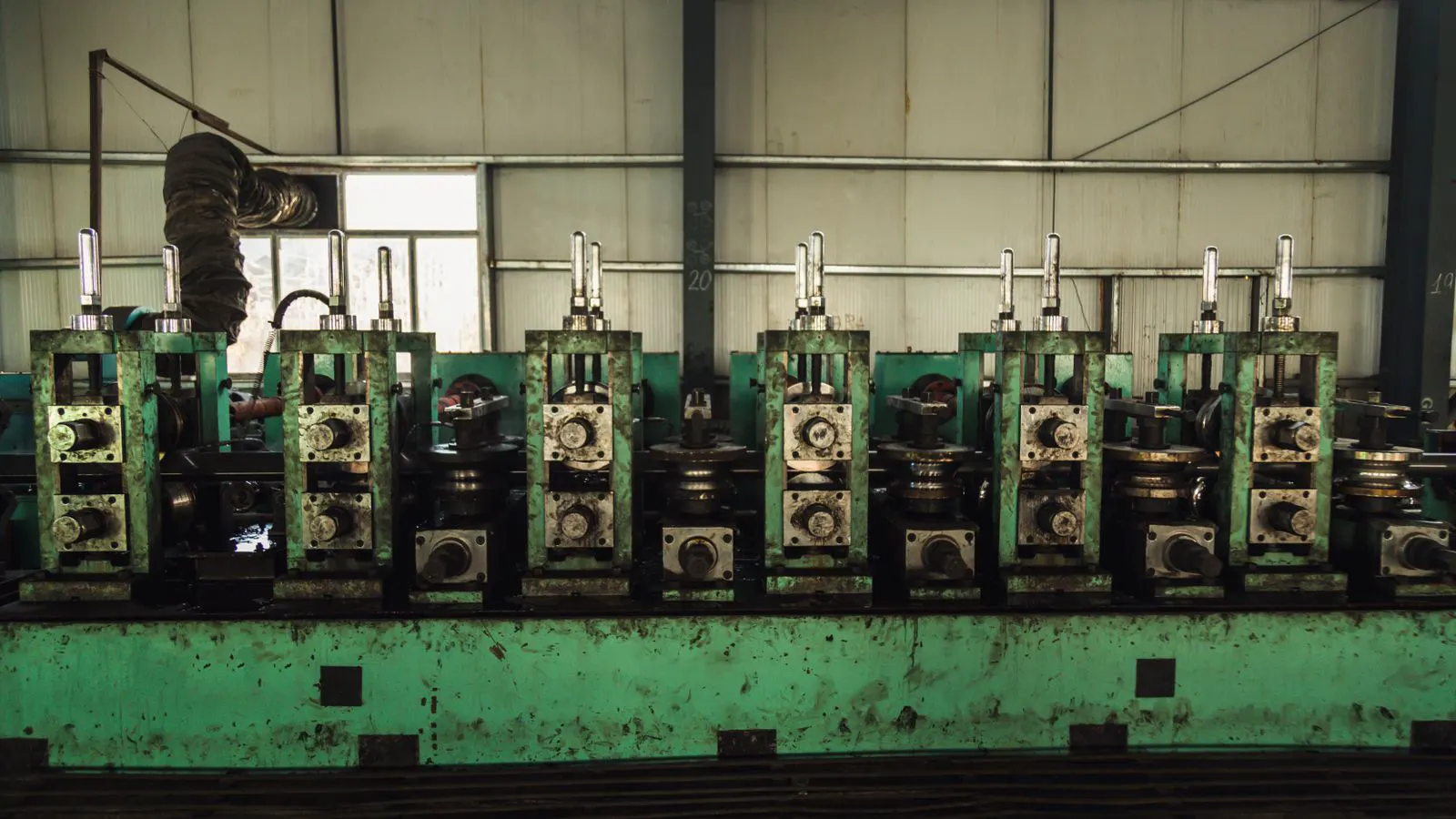
Pasteurization and retort differ in temperature, pressure, and target shelf life. Pasteurization uses lower heat to extend fridge life, while retort uses high heat and pressure for long-term ambient storage.
- Pasteurization targets pathogenic reduction at lower temperatures, requiring refrigeration for extended shelf life.
- Retort processing uses high heat and pressure to achieve commercial sterility for long-term ambient storage.
- Sourcing decisions depend on product type, packaging, and required storage conditions.
- Thermal safety is the common goal, but the depth of processing differs significantly between the two methods.
What Is the Core Difference Between Pasteurization and Retort?
Pasteurization and retort processing both use heat to improve food safety, but they operate at different intensity levels and serve different commercial purposes. Pasteurization is a mild heat treatment designed to reduce dangerous microorganisms to safe levels while preserving product quality. It typically requires the product to be kept cold after processing. Retort processing, by contrast, is an intensive thermal method that achieves commercial sterility, allowing products to remain safe at room temperature for long periods. Understanding these differences is essential for selecting the right equipment for specific product needs.
How Do Temperature and Pressure Affect Thermal Safety?
The physical conditions of the process directly determine the level of thermal safety achieved. Pasteurization generally operates at temperatures around 70 to 100 degrees Celsius, depending on the product. These temperatures are sufficient to inactivate many harmful bacteria but do not destroy all heat-resistant spores, such as those from certain molds or specific bacterial species. Because of this, the product must be stored under refrigeration to prevent the growth of any remaining organisms.
Retort processing, however, takes place in sealed, pressure-resistant vessels. The pressure allows the liquid medium inside the container to reach temperatures well above 100 degrees Celsius, often exceeding 120 degrees. These higher temperatures, combined with the necessary processing time, are designed to eliminate heat-resistant spores and achieve a stable, shelf-stable product. The higher thermal intensity of retort processing is what distinguishes it from pasteurization in terms of safety margins for ambient storage.
How Does Packaging Influence the Choice of Process?
Packaging is a critical factor in deciding between pasteurization and retort. Pasteurized products are usually packaged in materials that can withstand the process but also need to maintain a cold chain. This often includes glass jars, metal cans with specific liners, or plastic bottles designed for refrigerated distribution. The packaging must be watertight to maintain the quality of the product during refrigerated storage.
Retort processing, on the other hand, requires packaging that can withstand high internal pressure during the heating cycle. This is typically achieved with robust metal cans or specialized flexible pouches with multi-layer materials. The packaging must be able to seal completely to prevent steam from entering and to keep the product sterile after cooling. The choice of packaging material is dictated by the need to withstand the pressure and temperature of the retort process, which is a significant consideration when sourcing equipment and packaging solutions.
What Are the Operational Implications for Plant Design?
The operational requirements of pasteurization and retort processes affect plant layout, utility systems, and maintenance schedules. Pasteurization systems are generally simpler in design, often involving heat exchangers, pumps, and control systems that manage the temperature and flow rate. They typically require less complex infrastructure than retort plants, as they do not need pressure vessels capable of withstanding high internal pressures.
Retort systems are more complex and capital-intensive. They require heavy-duty pressure vessels, robust safety interlocks, and sophisticated control systems to manage the heating, holding, and cooling cycles. The plant design must account for the large energy demands of retort processing, which involves significant steam consumption. Maintenance for retort systems is also more critical, as the integrity of the pressure vessels is paramount for safety. Proper maintenance schedules and regular inspections are necessary to ensure the continued reliability and safety of the equipment.
How Do These Processes Affect Sourcing Decisions for Buyers?
When sourcing food processing machinery, buyers must align their equipment choices with their product specifications and market requirements. If the goal is to produce a refrigerated product with a moderate shelf life, pasteurization equipment is the appropriate choice. It offers a balance between product quality retention and food safety, making it suitable for dairy, juices, and certain meat products. Buyers should focus on the precision of temperature control and the efficiency of heat transfer in pasteurization systems.
For products intended for long-term ambient storage, such as canned vegetables, soups, or pet food, retort processing is necessary. In this case, buyers must prioritize the durability and safety of the retort vessels, the reliability of the control systems, and the capacity to handle the specific packaging materials. The sourcing decision involves not just the equipment itself but also the integration with packaging lines and the overall production flow. Understanding the specific thermal requirements of the product is key to selecting the right machinery.
A Worked Example: Choosing a Process for a Fruit Puree
Consider a manufacturer producing a fruit puree for retail sale. If the target market requires a product that can be stored in a refrigerator for several months, pasteurization is a viable option. The puree would be heated to a specific temperature for a set duration to reduce pathogens, then cooled and filled into sealed containers. The product would then require cold storage to maintain its safety. This approach preserves the flavor and texture of the fruit, which can be compromised by the higher temperatures used in retort processing.
If, however, the manufacturer wants to ship the puree to remote areas without reliable cold storage, retort processing becomes the only option. The puree would be filled into cans that can withstand high pressure, then subjected to a retort cycle at temperatures above 100 degrees Celsius. The can would be cooled and stored at room temperature, safe for extended periods. The choice here depends on the logistical and market factors, with retort offering greater distribution flexibility at the cost of some quality attributes.
Summary of Key Technical Differences
The table below outlines the primary technical differences between pasteurization and retort processing. This summary helps buyers quickly compare the two methods based on critical parameters.
| Parameter | Pasteurization | Retort Processing |
|---|---|---|
| Target Goal | Reduce pathogens, extend refrigerated life | Achieve commercial sterility for ambient storage |
| Typical Temperature | 70-100°C | Above 120°C |
| Pressure Requirement | Low or atmospheric pressure | High pressure required |
| Packaging | Glass, cans, or plastics for cold chain | Robust cans or specialized flexible pouches |
| Shelf Life | Moderate, requires refrigeration | Long-term, ambient storage possible |
| Equipment Complexity | Lower complexity, simpler design | Higher complexity, pressure vessels required |
Final Considerations for Process Selection
Selecting between pasteurization and retort processing is not just a technical decision but also a strategic one. It involves weighing product quality, shelf life requirements, distribution logistics, and cost implications. Buyers should consult with food safety experts and equipment suppliers to ensure that the chosen process meets all regulatory and safety standards. By understanding the fundamental differences in temperature, pressure, and packaging, manufacturers can make informed decisions that align with their business goals and consumer expectations.
Frequently asked questions
Can all food products be pasteurized?
No, not all products are suitable for pasteurization. Some products, especially those with high acidity or specific microbial risks, may require retort processing to ensure safety for long-term storage.
What is the main advantage of retort processing over pasteurization?
The main advantage of retort processing is that it achieves commercial sterility, allowing products to be stored at room temperature for extended periods without refrigeration.
How does packaging affect the thermal safety of pasteurized products?
Packaging for pasteurized products must be watertight and able to withstand the processing temperatures. It also needs to maintain the integrity of the product during refrigerated storage.
Is retort processing always more expensive than pasteurization?
Generally, yes. Retort processing equipment and the associated infrastructure tend to be more expensive due to the need for pressure vessels and higher energy consumption.
How long can a retort-processed product last?
Retort-processed products can last for months or even years if stored in a cool, dry place and the packaging remains intact. The exact shelf life depends on the product type and storage conditions.