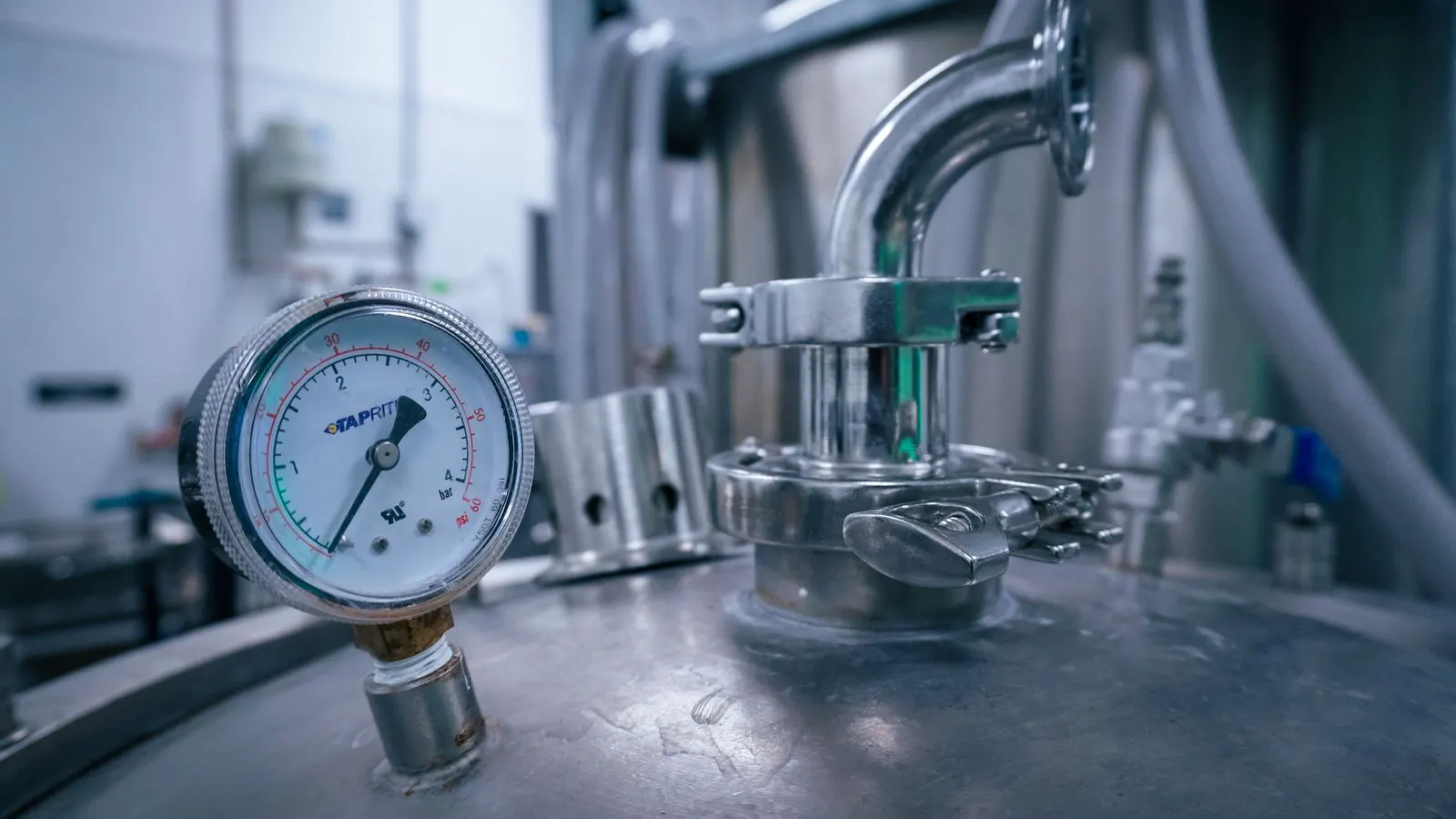
Thermobaric sterilization applies high hydrostatic pressure with mild heat to inactivate microbes, avoiding the texture damage and nutrient loss common in high-temperature thermal processes. Thermal sterilization relies on sustained heat. The right choice depends on product sensitivity and required shelf life.
- Thermobaric sterilization uses high pressure and moderate heat to reduce thermal damage to sensitive foods.
- Conventional thermal sterilization remains the standard for highly acidic or heat-stable products.
- Equipment cost and cycle time vary significantly between the two methods.
- Product testing is required to confirm that pressure and temperature settings meet shelf-life goals.
- Maintenance protocols differ because of the mechanical stress on high-pressure systems.
How thermobaric sterilization differs from thermal heat
Thermal sterilization treats food by exposing it to high temperatures for a defined period. This method kills vegetative cells and spores through denaturation of proteins and other cellular structures. It is the backbone of most canned and retorted product lines. The process is mature, well understood, and widely accepted by regulators.
Thermobaric sterilization takes a different path. It applies high hydrostatic pressure, often in the range of several hundred atmospheres, combined with moderate heat. The pressure changes the physical state of molecules and disrupts microbial membranes and enzymes. Because the temperature stays lower than in conventional retorting, the product retains more of its original texture, color, and flavor. The heat component helps ensure that the pressure phase achieves the desired biological kill.
When to pick thermobaric sterilization for sensitive foods
Thermobaric processing suits products where heat damage is a primary quality risk. Think of delicate fruits, cooked vegetables, soups, and ready-to-eat meals that must remain palatable after processing. In these categories, high heat can turn fruit to mush or cause proteins to coagulate into a grainy texture. A lower-temperature, high-pressure cycle preserves the sensory profile while still reducing microbial load.
This approach also helps maintain heat-sensitive nutrients. Vitamins and certain functional compounds degrade at high temperatures. By keeping the process window cooler, thermobaric systems can protect nutritional value. This matters for premium products where the label claims specific nutrient retention.
When to pick thermal sterilization for robust products
Thermal sterilization remains the default for products that tolerate heat well. Canned vegetables, meat and fish products, and many beverages are commonly retorted. These items have a long processing history, and the high-temperature environment ensures a high safety margin. Spores, which are particularly resistant to heat, require sustained exposure to reach lethal levels. Thermal retorting provides that exposure directly.
The equipment is simpler in many ways. A retort is a pressure vessel heated by steam or hot oil. The design is standardized across the industry. Maintenance is routine, and operators are familiar with the controls. For high-volume production of robust goods, thermal systems often offer lower capital costs and shorter cycle times than equivalent pressure-based alternatives.
Comparison of thermobaric and thermal methods
The table below summarizes the key differences between the two approaches. Use it to narrow your selection before moving to detailed engineering calculations.
| Option | Best for | Limitations |
|---|---|---|
| Thermobaric sterilization | Delicate fruits, soups, RTE meals, heat-sensitive nutrients | High equipment cost, complex controls, longer validation cycles |
| Thermal sterilization (Retort) | Canned meats, vegetables, beverages, high-volume robust goods | Texture and flavor loss, nutrient degradation, longer heat exposure |
| Combined pressure-heat | Products needing high kill with moderate thermal load | Requires precise synchronization of pressure and temperature |
Equipment and integration considerations
Sterilization equipment for both methods consists of pressure vessels, but the internal architecture differs. A conventional retort relies on steam injection to raise the temperature. The chamber must withstand the steam pressure and the vacuum created during cooling. Thermobaric systems add a hydraulic or pneumatic pressure stage. This stage pushes the liquid or solid product with force to reach the target pressure. The heat stage operates at a lower temperature than a retort.
Integration into the line is another factor. Thermobaric units often require higher structural integrity because of the mechanical stress. The vessel walls, seals, and control valves must handle the pressure spikes. This can increase the footprint and the installation requirements. Thermal systems are more widely available in various sizes, which simplifies sourcing. However, both types need precise temperature and pressure monitoring. Data logging is standard for both to support food safety documentation.
Validation and regulatory alignment
Both methods require process validation. This means proving that the chosen settings consistently achieve the required microbial reduction. For thermal processes, the validation often centers on the heat death time and the overkill factor. For thermobaric processing, the validation focuses on the interaction between pressure and temperature. The goal is to ensure that the combination meets the target log reduction for the target microorganism.
Regulatory acceptance varies by region and product category. Thermal sterilization is deeply established in food safety regulations. Thermobaric processing is recognized but may require more detailed justification in certain jurisdictions. If you are entering a new market, check local standards for approved processing parameters. Documenting the process design, the equipment calibration, and the validation data is critical for both methods.
Cost and operational trade-offs
Capital costs for sterilization equipment can be high. Thermobaric systems tend to be more expensive because of the pressure-rated components and the complex control logic. Thermal retorts are often cheaper to buy, especially in standard configurations. However, operating costs also matter. Thermobaric cycles can be faster in some applications because lower temperatures allow quicker heating and cooling transitions. Thermal cycles can take longer due to the need to bring the entire load to a high temperature and then cool it down.
Energy use is another factor. Heating a large mass to a high temperature requires significant energy. A thermobaric cycle may use less thermal energy but consumes more mechanical energy for the pressure phase. The net energy impact depends on the specific product, the size of the load, and the efficiency of the equipment. Calculate the total cost of ownership, including energy, maintenance, and labor, before making a final decision.
Common pitfalls and how to avoid them
A common mistake is assuming that pressure alone is enough for sterilization. Pressure can inactivate many organisms, but it may not be sufficient for spores. The combination with heat is what makes thermobaric sterilization effective for shelf-stable products. Skipping the heat component can lead to safety failures.
Another pitfall is ignoring the mechanical stress on the product. High pressure can cause physical changes in some foods, such as the release of gas from porous structures. This can affect the final texture. Testing the product under the actual process conditions is necessary to catch these issues early. Do not rely solely on supplier data. Run your own trials with your specific recipe and packaging.
Finally, operator training is often underestimated. Both methods require precise control. A small error in temperature or pressure can ruin a batch or compromise safety. Ensure that your team is trained on the specific equipment and the standard operating procedures. Regular calibration checks are essential to keep the process within the validated parameters.
Which method fits your product profile
The choice between thermobaric sterilization and thermal sterilization comes down to the product and the quality goals. If your product is delicate and heat-sensitive, thermobaric processing offers a clear advantage in texture and flavor retention. It also preserves heat-sensitive nutrients. If your product is robust and high-volume, thermal sterilization is often the practical choice. It is well understood, widely available, and cost-effective.
Start with a small-scale trial. Run both methods on a sample of your product. Measure the microbial reduction, the sensory quality, and the energy use. Compare the results against your target shelf life. The data will guide your decision. Do not guess. Let the product tell you what it can survive and what it cannot.
Final thoughts on selecting sterilization equipment
Selecting the right sterilization equipment is a technical and commercial decision. It involves balancing safety, quality, cost, and operational complexity. Thermobaric sterilization is a powerful tool for modern food processing. It offers a path to high safety with high quality. Thermal sterilization remains a reliable workhorse for traditional products.
Review your product specifications carefully. Define the target microbial load and the required shelf life. Identify the quality attributes that must be preserved. With those parameters in hand, you can evaluate the equipment options with confidence. Engage your process engineers and quality team early in the selection process. The details matter, and the right decision will serve your product and your brand for years.
Frequently asked questions
Can thermobaric sterilization be used for canned goods?
Yes, but it requires specific packaging that can withstand high pressure. The method is less common for canned goods than for fresh or ready-to-eat products because of the equipment complexity.
Is thermal sterilization better for spore control?
Thermal sterilization is highly effective against spores because it uses high temperatures for sustained periods. Thermobaric processing can also target spores but requires the right combination of pressure and heat.
How long does a thermobaric cycle take compared to a retort?
Cycle times vary by product and equipment. Thermobaric cycles can be shorter in some cases because the lower temperature allows faster transitions, but the pressure phase adds its own duration.
What are the main maintenance differences?
Thermobaric systems have more complex mechanical parts, such as hydraulic cylinders and pressure seals. These require regular inspection. Thermal retorts rely on steam systems and have a simpler maintenance profile.
Do I need a pilot plant to test thermobaric processing?
Yes, a pilot scale is recommended. It allows you to test the process parameters, check the product quality, and validate the safety margin before committing to full-scale equipment.