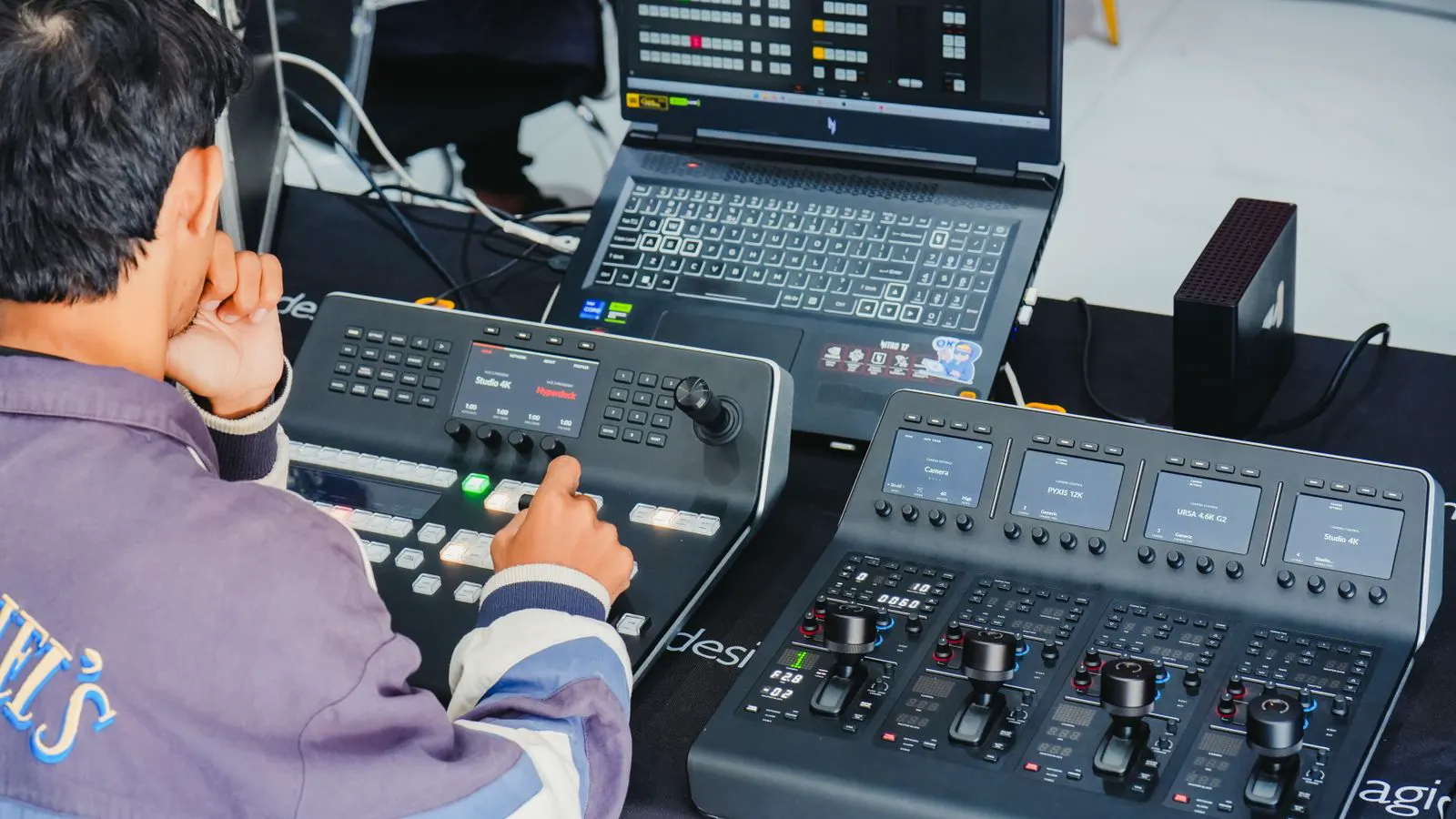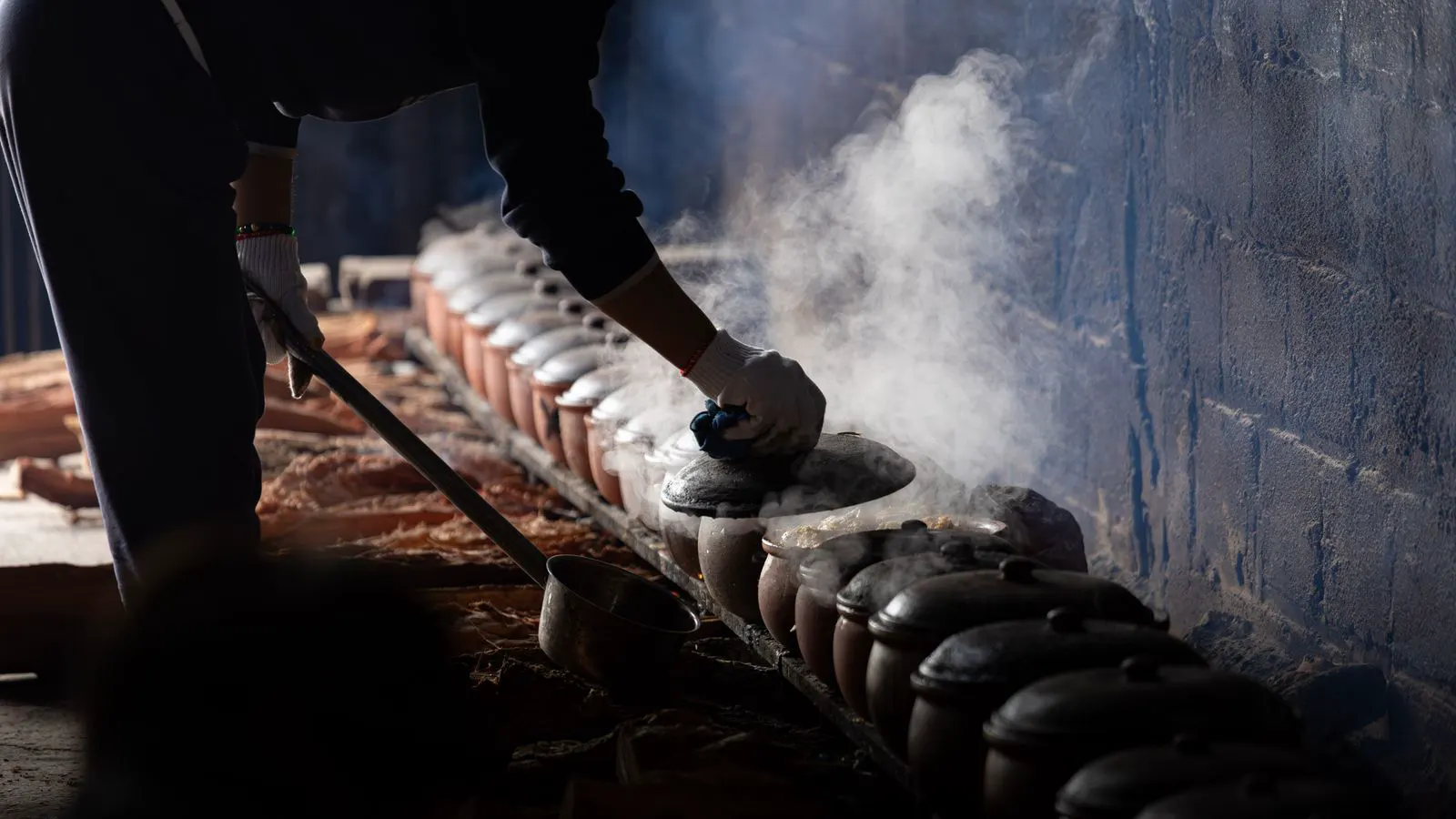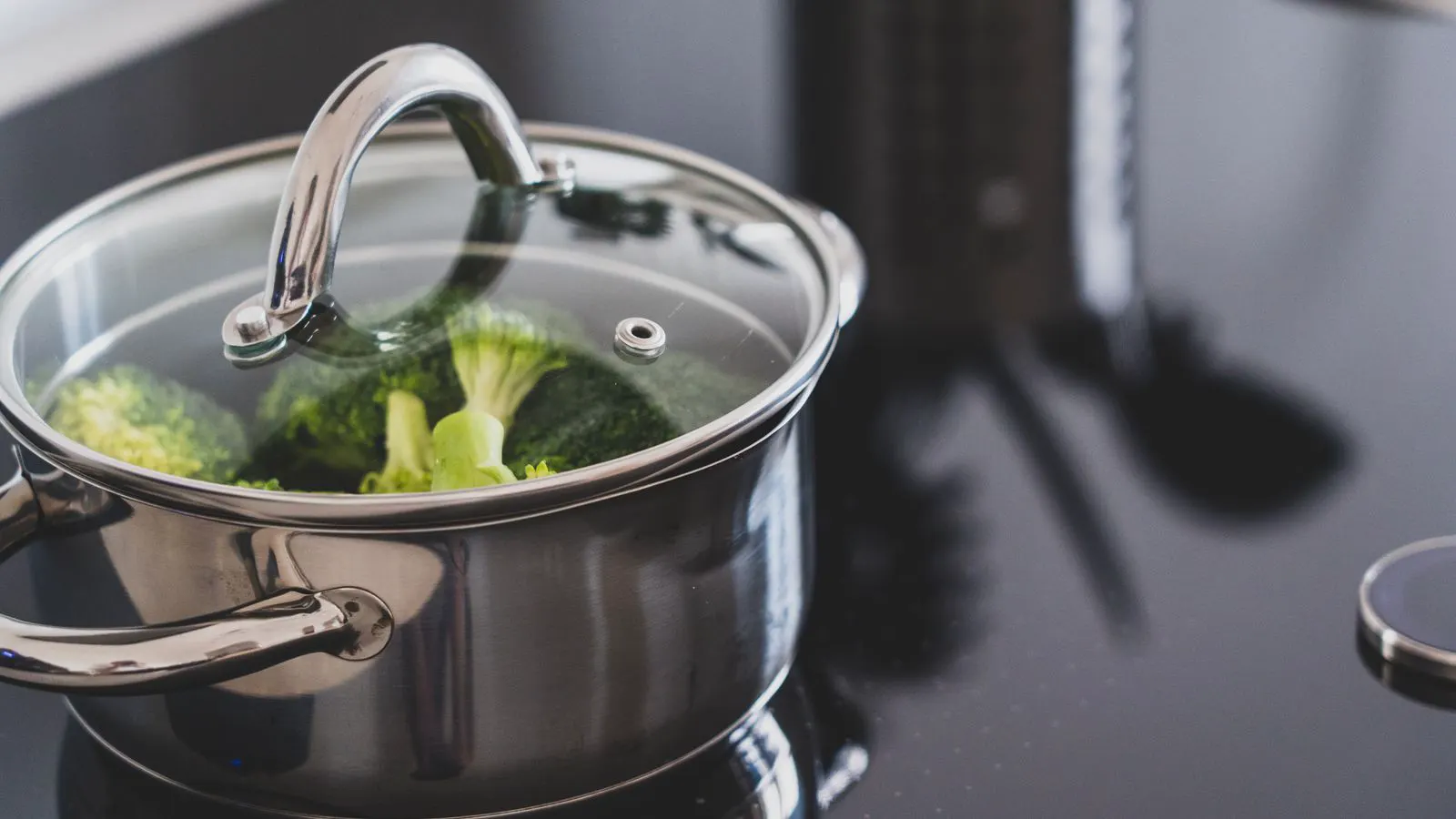
Procurement teams should plan for tighter process control, smarter pot design, and deeper data integration. These shifts affect thermal processing equipment selection, maintenance, and long-term plant efficiency.
- Thermal processing automation is moving from basic temperature control to closed-loop process management
- Cooking pot design choices now influence energy use, product consistency, and maintenance costs
- Buyers should prioritize integration capability and data access over isolated features
- Prepare plant teams for increased reliance on control software and preventive maintenance
- Evaluate vendors on long-term software support, not just initial hardware specs
Why Control Logic Is Changing
Thermal processing plants are shifting from simple temperature setpoints to continuous process management. Instead of just hitting a target temperature, modern systems monitor heat transfer, viscosity changes, and product density in real time. Procurement teams need to understand this change because it affects how equipment performs over time.
A cooking pot that only holds 90 degrees Celsius is no longer enough for many applications. Plants need to know how fast the product reaches that temperature, whether hot spots are developing, and if the batch profile matches previous runs. The control layer now does more than turn a burner on and off. It adjusts agitation speed, steam pressure, and cooling rates based on live sensor data.
This matters for purchasing decisions. A plant that buys only a pot and a basic controller may find itself replacing equipment sooner because the product quality does not stay consistent. The trend is toward integrated systems where the pot, sensors, actuators, and software work as one unit.
How Cooking Pot Design Affects Automation
Pot geometry is not just a vessel. It shapes how heat moves through the product and how sensors read the true temperature. A deep, narrow pot may heat slowly and create temperature gradients. A wide, shallow pot may evaporate quickly and require different cooling control.
Buyers should look at the pot in relation to the automation system. If the pot has dead zones, the control system may struggle to keep the batch uniform. If the product forms a crust on the walls, temperature readings can drift. These physical issues undermine even the best control software.
Practical design questions to ask before purchase:
- Does the pot support full agitation without creating splashing or dry spots?
- Are sensor placements accessible for cleaning and calibration?
- Can the pot handle the viscosity range of the product without excessive energy input?
- Is the vessel material compatible with the cleaning-in-place system?
- Does the design allow for future upgrades to additional sensors or controls?
A well-designed pot reduces the burden on the control system. It also makes preventive maintenance easier because surfaces are smoother and access points are clearer.
What Automation Changes for Batch Consistency
Batch consistency is the main reason plants automate thermal processing. The goal is to produce the same result run after run. Automation helps by removing operator variability from temperature, timing, and agitation.
A manual operator may adjust the flame or stirring speed based on experience. That works until the operator changes, the product batch varies slightly, or the plant runs more batches per day. Automated control removes those variables. The system follows a recorded recipe and adjusts in small steps.
However, automation does not fix a bad process. If the recipe itself is wrong, the system will reproduce the error perfectly. Plants need to validate recipes with the control system in place. They should test edge cases, such as a cooler feed or a thicker batch, to see how the system responds.
The practical outcome is clearer. Batches stay within tighter tolerances. Wastage drops because off-spec product is caught earlier. Operators spend less time watching the pot and more time on troubleshooting and improvement.
Integration With Upstream and Downstream Systems
Thermal processing does not happen in isolation. The pot receives material from a mixer or filler and sends product to pasteurization, cooling, or filling. Integration is the next step in automation.
When the cooking pot communicates with the mixer, the control system can adjust the process based on the incoming material. If the batter is colder or thicker than expected, the pot can modify heating time. When the pot sends data to the cooler, the downstream equipment can prepare the right cooling profile.
This kind of integration requires open communication protocols. Plants should ask vendors about the data formats they use and whether the system can connect to existing plant networks. A locked system may work today but limit future upgrades.
Buyers often underestimate the value of data access. If the plant can export batch records and process logs, quality teams can trace issues faster. Maintenance teams can spot patterns in sensor drift or motor wear. The data is only useful if it is available in a format the plant can use.
Energy Management and Sustainability Pressures
Energy use is a growing concern in food plants. Thermal processing is often the most energy intensive step in the line. Automation allows for tighter control, which reduces waste. The system can stop heating when the product reaches the target profile instead of running long to be safe.
Pot design also affects energy use. A pot with good heat distribution needs less aggressive heating. A pot that traps heat in the walls may require more energy to bring the product to temperature. Insulation and surface finish matter too.
Plants are also looking at heat recovery. Some systems capture waste heat from the cooling step and reuse it to preheat incoming material. This is not always practical for every plant, but it is a direction to consider. Procurement teams should ask whether the system supports heat exchange or if it is a fixed design.
The trend is toward lower energy per kilogram of product. This affects operating costs and the plant’s environmental profile. Equipment that uses less energy also puts less stress on the utility system, which can be a plus in plants with limited capacity.
What Buyers Should Prepare For
The automation trend is not a single upgrade. It is a set of changes that affect purchasing, training, and maintenance. Buyers need to plan for these shifts.
First, control software becomes part of the equipment. The pot is no longer just steel. It includes sensors, actuators, and a program that runs the process. Buyers should ask about software licensing, update cycles, and vendor support. A system that is hard to update will become a burden.
Second, maintenance changes. With more sensors and electronics, plants need regular calibration and software checks. Preventive maintenance schedules must include the control system, not just the mechanical parts. Operators need training to understand the new alerts and logs.
Third, data ownership matters. The plant should keep its own records. If the vendor holds the only copy of batch data, the plant loses control. Ask what data is stored locally and what is cloud based. Know how to export it.
Fourth, integration with other equipment is likely to become standard. A pot that cannot talk to the mixer or cooler will limit the plant’s flexibility. Buyers should evaluate the communication options before purchase.
Fifth, the human role changes. Operators move from manual adjustment to supervision and troubleshooting. This requires different skills. Plants should plan for training and change management.
How to Evaluate Vendors for the Future
When comparing vendors, focus on what the system does over ten years, not just what it looks like on day one. Ask how the control system handles unexpected conditions. What happens if a sensor fails or the product viscosity changes? A good system should have fallback logic or clear alerts.
Check the pot design against the product. A vendor may sell a standard pot that works for thin soups but struggles with thick batters. The pot must match the product, the agitation method, and the cleaning requirements. Ask for reference sites that run similar products.
Look at the vendor’s approach to software. Is the interface clear? Can the plant create recipes without relying on the vendor for every change? Are updates included or charged separately? The more independent the plant can be, the lower the long-term cost.
Finally, consider total cost of ownership. The initial price is only part of the picture. Energy use, maintenance, downtime, and upgrade costs add up. A slightly more expensive system that uses less energy and needs less maintenance may pay for itself.
A Practical Procurement Checklist
Use this list when evaluating thermal processing equipment:
| Item | What to Ask | Why It Matters |
|---|---|---|
| Pot design | Does the geometry match the product viscosity and batch size? | Affects heat transfer and agitation uniformity |
| Control system | What sensors are included and how are they calibrated? | Determines accuracy and consistency |
| Integration | Can the pot communicate with mixers, coolers, and data systems? | Enables upstream and downstream control |
| Software | Are recipes editable locally? What is the update process? | Reduces dependence on vendor support |
| Maintenance | What are the calibration and cleaning intervals? | Affects uptime and product consistency |
| Energy | What is the expected energy use per batch? | Impacts operating costs and sustainability |
This checklist helps buyers compare vendors on practical grounds. It moves the conversation from features to performance.
Frequently asked questions
What is the biggest change in thermal processing automation right now?
The shift from basic temperature control to closed-loop process management that monitors multiple variables in real time.
Does cooking pot design matter for automation?
Yes. Pot shape, surface finish, and sensor placement directly affect how well the control system can manage heat and agitation.
Should buyers prioritize software over hardware?
Both matter, but software determines how the hardware performs over time. A good control system can make a standard pot work better.
How does integration with other equipment affect purchasing?
It changes the system from a standalone unit to part of a connected line, which can improve consistency and reduce waste.
What should plants do to prepare for these changes?
Train staff on new controls, plan for preventive maintenance, and ensure data is accessible and exportable.