AI is moving into food mixer technology to stabilize recipe output and predict mechanical failures before they stop production. This shift changes how plants manage mixing lines, requiring new data practices and closer collaboration between process engineers and controls teams.
- AI in mixers is not about replacing the operator but giving the controls system early warnings and tighter recipe feedback.
- Data quality from temperature, torque, and load cells matters more than the algorithm itself.
- Plants should start with one line and one recipe, not a full plant rollout.
- Predictive maintenance in mixers depends on having clean, labeled failure data.
- Future food processing will require engineers to understand data pipelines, not just mechanical design.
What changes first in a food mixer with AI
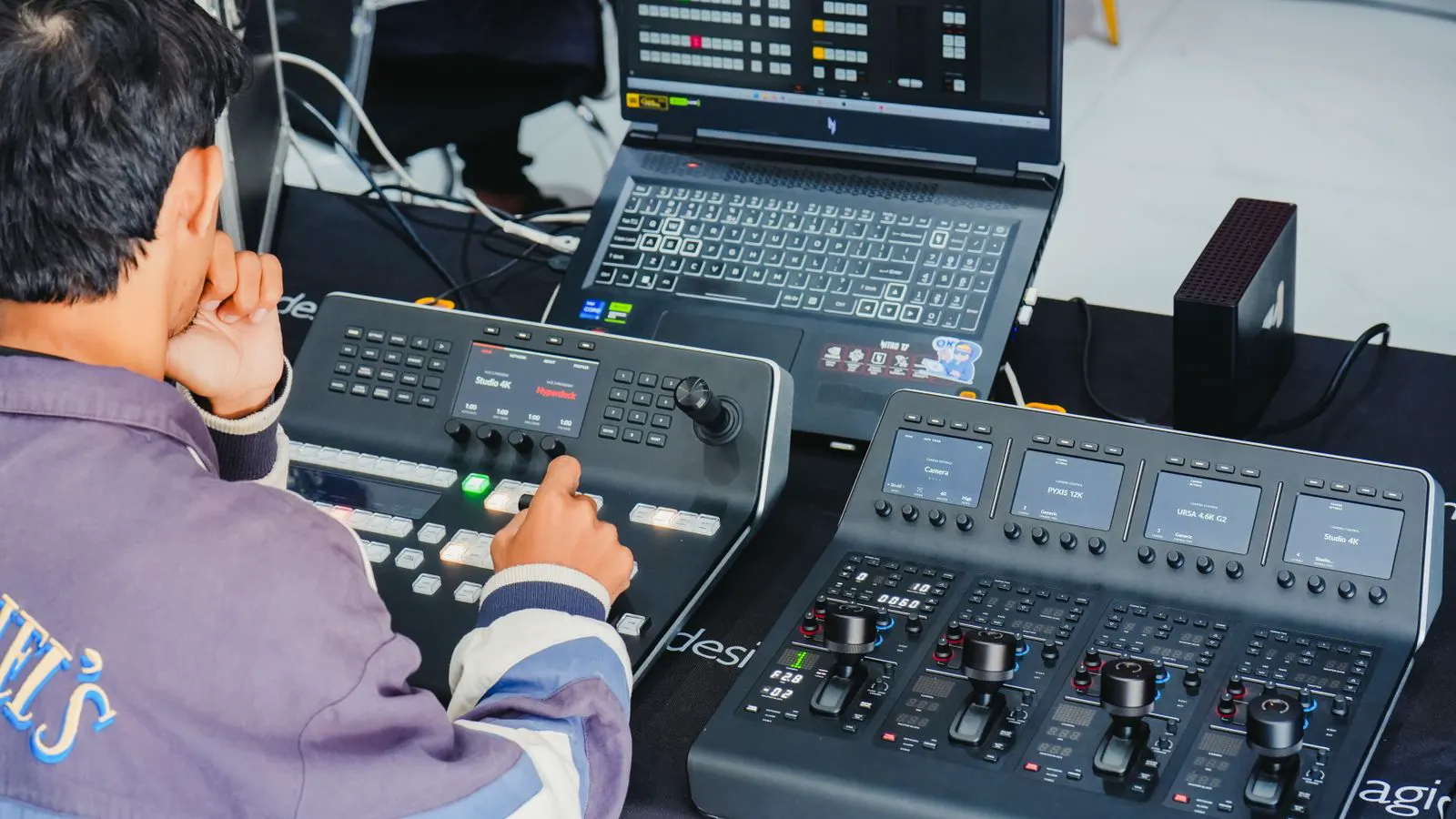
The first change is not a new motor or a new agitator. It is the control loop. A conventional mixer follows a recipe by time and speed. An AI-enabled mixer watches the process as it happens and adjusts based on what the product actually needs.
That means the system does not just hold a setpoint. It watches torque, temperature, viscosity estimates, and load patterns while the batch is running. If the dough thickens faster than expected, the system can adjust speed or rest time without waiting for the operator to notice.
For a sauce line, this reduces the chance that a batch drifts into a texture problem that only shows up at filling. For a high viscosity product, it helps keep the agitation profile stable even when raw material moisture varies from lot to lot.
The practical effect is fewer batches that need rework. The operator still makes the final call, but the machine gives a clearer picture of where the batch is heading.
How recipe consistency improves with smarter mixing controls
Recipe consistency in food processing is not only about ingredient weights. It is about how the material behaves during mixing. The same recipe can produce different results if the raw material is drier, warmer, or has a different particle size.
AI-based food mixer technology helps by building a model of how the product responds to mixing. Over time, the system learns that a certain torque pattern means the material is approaching the right stage. It can also notice when a batch is moving too slowly or too quickly relative to what a good batch looks like.
This is especially useful in batch cooking and mixing where the product changes during the process. A batter may need gentle agitation at first, then higher shear, then a rest. The system can track those transitions and flag when the next step should begin.
Buyers should look for systems that can store recipe profiles and compare each batch against a reference. That reference should not be a single ideal. It should be a range that reflects normal variation in raw material and equipment.
Predictive maintenance in industrial mixing automation
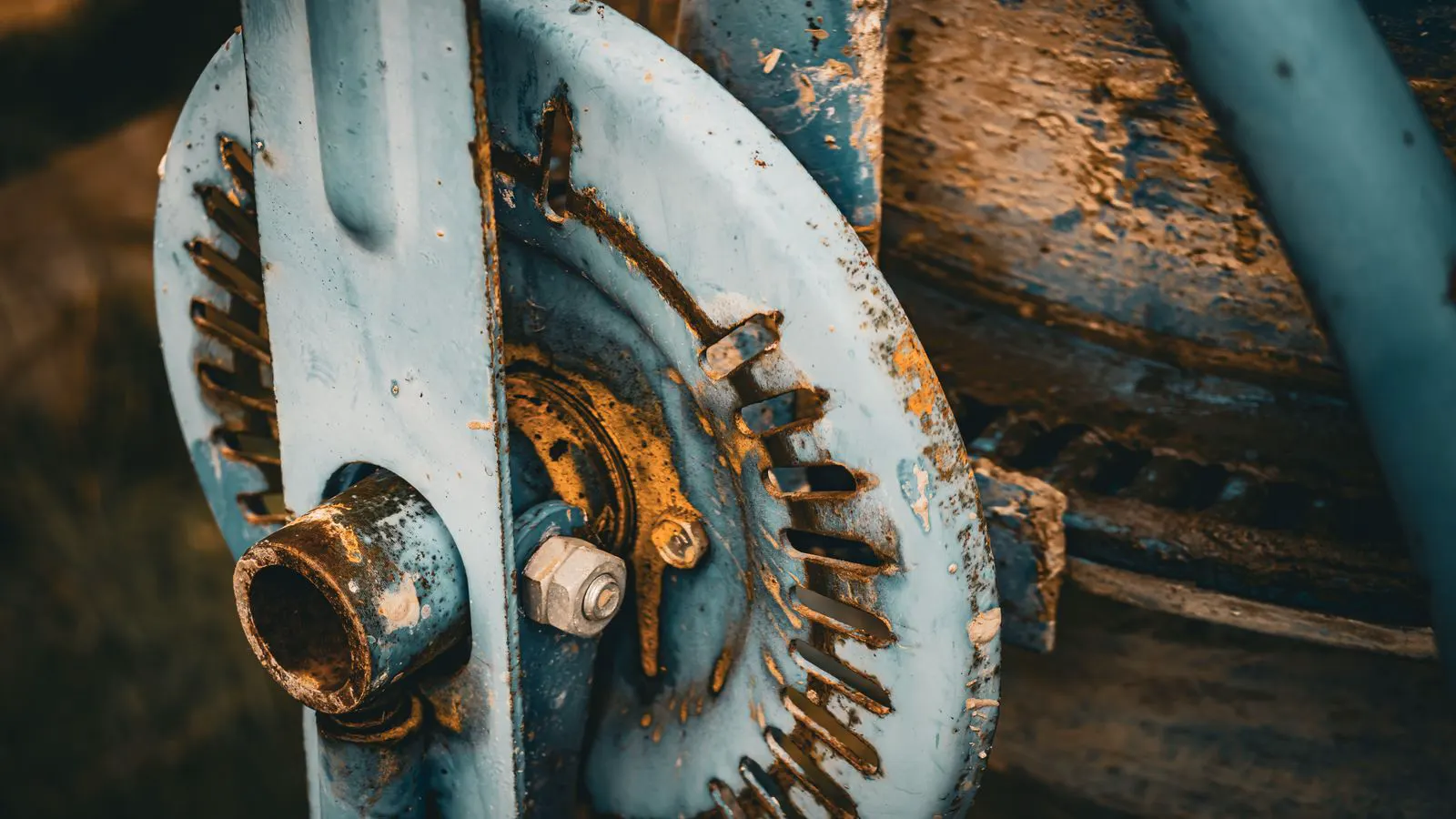
The second major shift is maintenance. In a mixing line, failure often starts quietly. A gear starts to wear. A seal begins to leak. A motor draws more current than usual. A temperature sensor drifts.
With good data, the system can notice these changes before a failure stops production. Predictive maintenance in this context does not mean the machine tells you it will break next Tuesday. It means the system shows a trend that is different from normal, and that trend gives maintenance time to plan work.
For example, if torque rises slowly over several batches even though the recipe is the same, the system can flag a possible mechanical issue. If the temperature in the jacket does not match the expected profile, it can indicate a control problem or a fouling issue.
This is useful because mixing downtime is often expensive. The line may be tied to a filling station, a cooling tunnel, or a batch schedule. Even a short unplanned stop can create a backlog.
Plants should make sure the data they collect is labeled. If a failure happens, the system should be able to link that failure to the conditions that led up to it. Without that link, the data is just a log.
What data a mixer needs to learn
A food mixer with AI needs more than a recipe sheet. It needs signals that describe the process and the equipment.
The basic signals include:
- Speed of the agitator
- Torque or motor current
- Temperature in the product
- Temperature in the jacket or heating medium
- Load cell data, if available
- Batch time and phase changes
- Raw material lot information, if connected to the line
Each of these signals tells the system something about the state of the batch. Speed tells it how much energy is being applied. Torque tells it how much resistance the material is giving. Temperature tells it how the product is responding to heat.
The more clean data the system has, the better it can compare batches. But more data is not always better. If the sensors are noisy or the calibration is poor, the model will learn the wrong things.
A practical step is to start with a small set of signals. Speed, torque, and temperature are usually enough to begin. Add load cells and jacket pressure only if the line already has them or if the process needs them.
How to prepare your mixing line for AI upgrades
Most plants do not need to replace their mixers to take advantage of newer controls. Many existing units can be upgraded with better sensors, data logging, and a controls layer that analyzes the data.
The first step is to check the data quality. Look at the last hundred batches. Are the temperature readings stable? Is the torque signal clean? Are the batch phases clearly marked? If not, fix the data first.
The second step is to define what a good batch looks like. This should be done with the process engineer, not just the controls engineer. A good batch is not only within spec. It is within spec and within the expected range of variation.
The third step is to pick one line. Do not roll out AI across the plant at once. Pick a line with a stable recipe and a clear failure history. Run it for a few months. See what the system catches. See what the operator trusts.
The fourth step is to involve maintenance early. Predictive maintenance only works if maintenance can act on the signal. If the system sends an alert but the maintenance team does not know what to do with it, the alert becomes noise.
A practical comparison of control levels
The table below shows how a mixer control system changes as it moves from basic to AI-enabled.
| Control level | What it does | Typical data used | Best fit |
|---|---|---|---|
| Basic timer | Runs set speed for set time | Speed, timer | Simple recipes with little variation |
| Profile control | Changes speed and temperature over time | Speed, temperature, timer | Standard batch recipes |
| Feedback control | Adjusts to keep temperature or speed in range | Temperature, speed, load | Lines with tight thermal control |
| AI-assisted control | Compares batch behavior to reference and suggests adjustments | Torque, temperature, speed, lot data | Lines with recurring variation or failures |
| Predictive maintenance layer | Flags equipment trends before failure | Motor current, vibration, temperature, torque | Lines with high downtime cost |
The move from one level to the next is not always linear. Some lines need better feedback before AI makes sense. Some lines with stable recipes may not need predictive maintenance until failure costs rise.
What buyers should ask vendors
When evaluating food mixer technology with AI features, ask questions that force the vendor to be specific.
Do not accept answers like the system learns quickly. Ask how many batches it needs before it gives useful alerts. Ask what signals it uses. Ask whether the model can be updated without changing the recipe. Ask how the system handles a change in raw material supplier.
Also ask how the data is stored. If the data lives only in the vendor cloud, you need to understand what happens if the connection fails. If it lives on the plant server, you need to make sure the controls team can access it.
Finally, ask how the system integrates with the existing batch records. The AI layer should not create a separate source of truth. It should work with the same batch data that quality and production already use.
What to expect in the next few years
The role of AI in food mixers will continue to shift from a premium feature to a normal part of the controls stack. The machines will not become self-driving in the way people imagine. They will become better at holding the process steady and giving early warnings.
The biggest change will be in how plants treat data. A mixing line will be judged not only by the product it makes, but by how well it records and uses the process data.
For buyers, the opportunity is to prepare now. Clean up the data. Define what a good batch looks like. Pick one line. Build the controls foundation. Then add the intelligence that fits the process.
The plants that benefit most will not be the ones with the most complex algorithms. They will be the ones with the clearest process knowledge and the best data habits.
Frequently asked questions
Do I need to replace my mixer to use AI controls?
Usually no. Many existing mixers can be upgraded with better sensors, data logging, and a controls layer that analyzes the data.
What is the smallest useful AI upgrade for a mixing line?
Start with a system that compares batch torque and temperature to a reference profile. That gives early warning of drift without changing the recipe.
How much data does the system need before it is useful?
It depends on the line, but a few hundred clean, well-labeled batches is often enough to see a useful pattern. The data quality matters more than the data volume.
Can AI replace the operator on a mixing line?
No. The operator still makes the final decision. The AI system gives the operator better information and earlier warnings.
How do I know if my line is ready for predictive maintenance?
Check whether you have stable sensor data, clear batch records, and a maintenance team that can act on alerts. If those are missing, fix those first.