
Food Safety Standards
How to Fix CIP Residue in Dead Legs
Persistent CIP residue in dead legs causes contamination risks and cleaning failures. This guide explains how to identify symptoms, test chemical flow, and apply

Get clear overviews of key food safety and quality standards that guide machinery selection, design, and operational compliance.
Persistent CIP residue in dead legs causes contamination risks and cleaning failures. This guide explains how to identify symptoms, test chemical flow, and apply
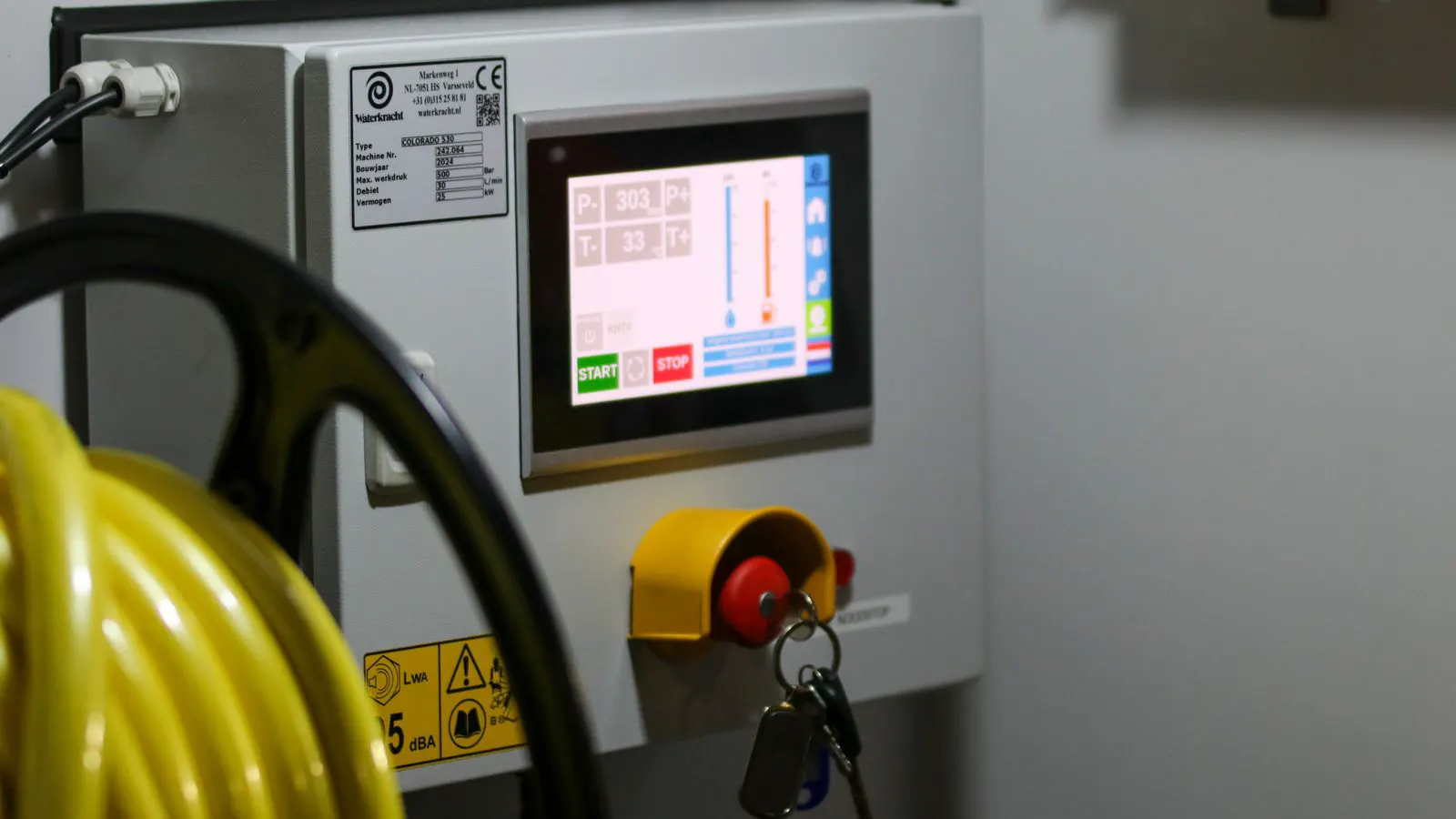
CIP costs are driven by line length, tank volume, and material compatibility. While manual cleaning is cheaper to start, automated systems reduce labor and downtime.

Rinse water quality for CIP systems must meet strict limits on conductivity, hardness, and chemistry. Buyers must verify supplier water treatment outputs against local
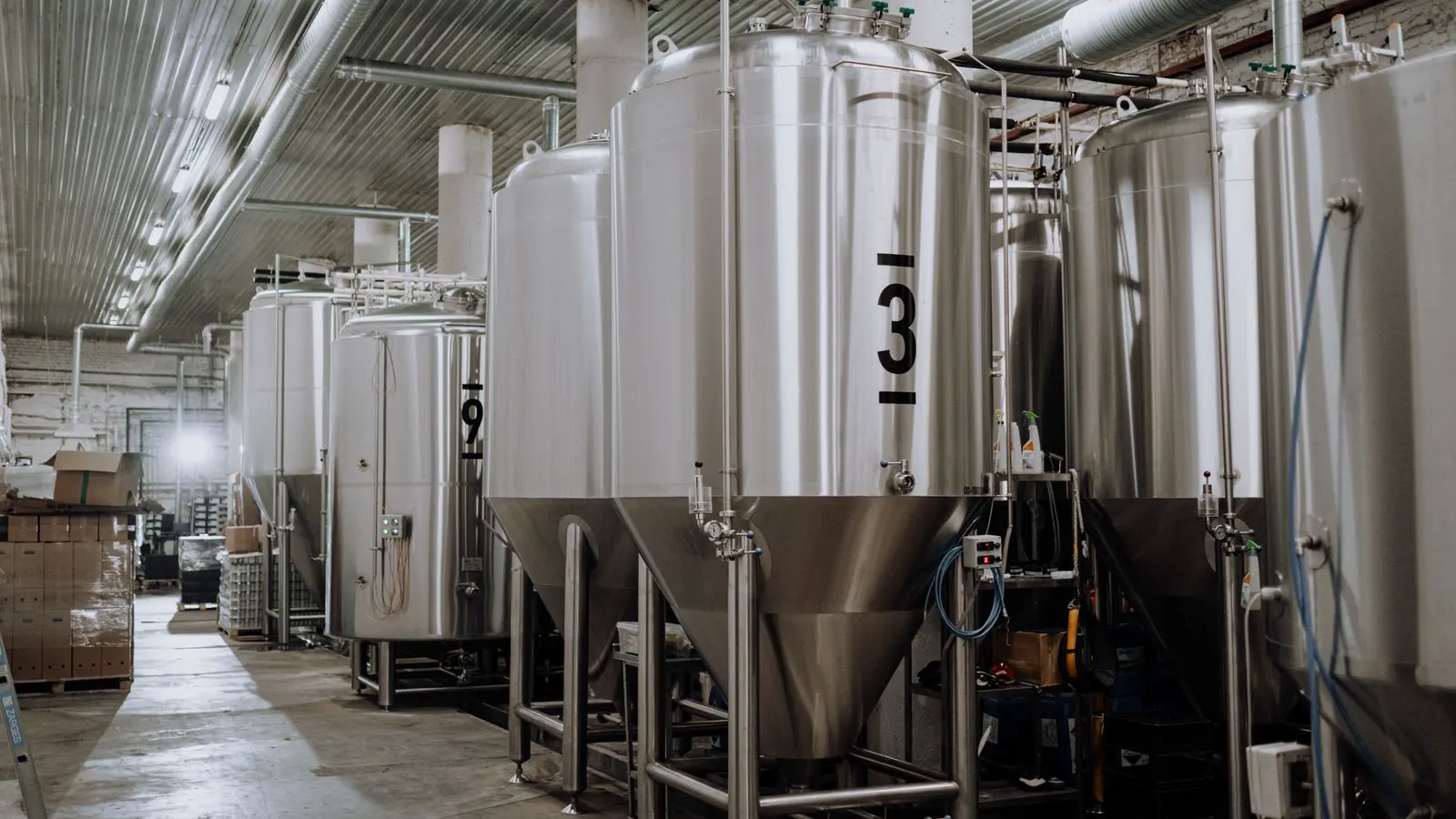
New processing equipment must pass verification against local and international food safety regulations. This checklist covers material compatibility, cleaning access
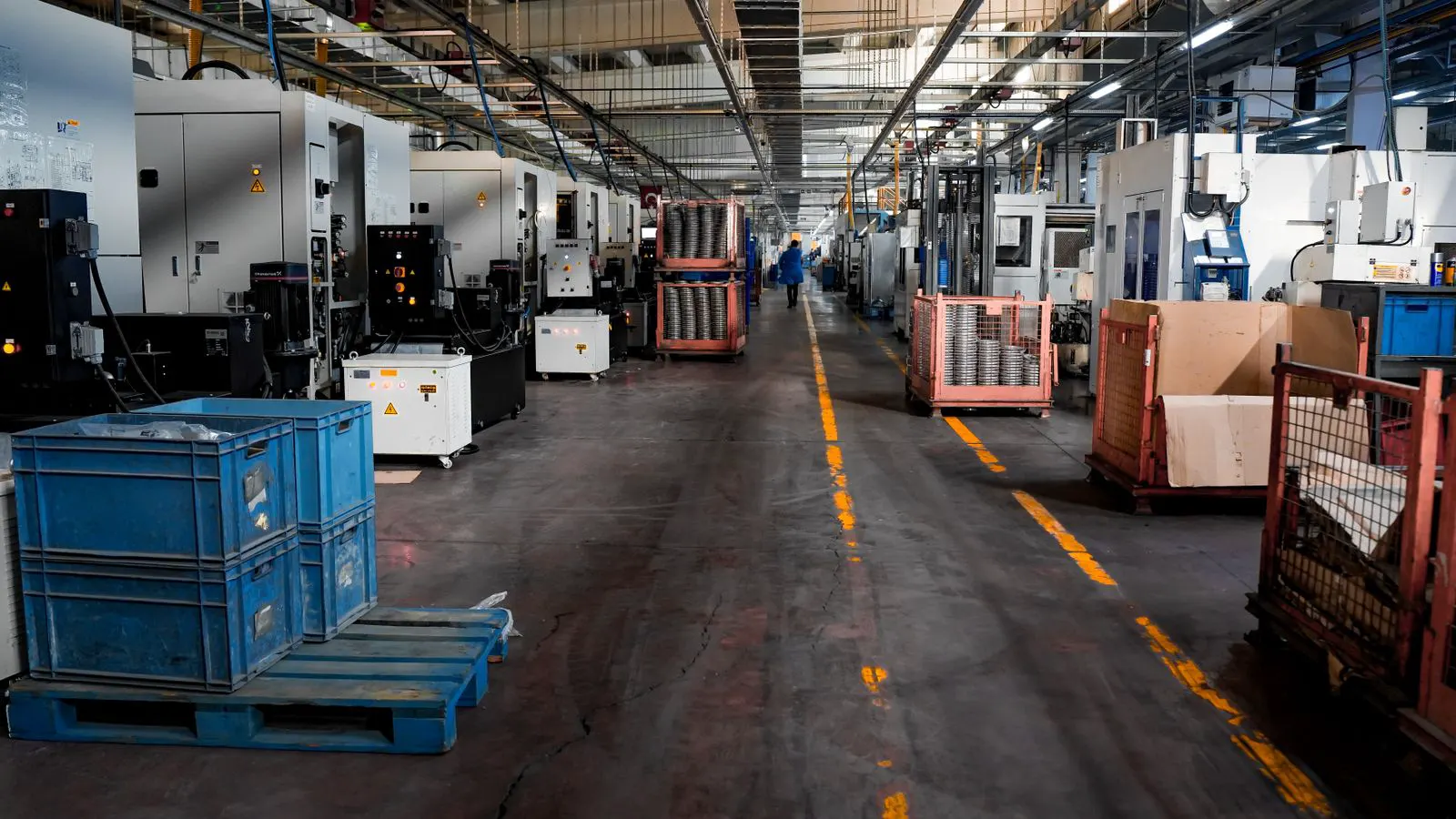
Certified machinery cost varies based on safety features, materials, and vendor capabilities. Lead time depends on customization and certification documentation. A clear
SSC and NSF certification both validate food contact materials and design, but they serve different regulatory and market needs. SSC focuses on material compliance for
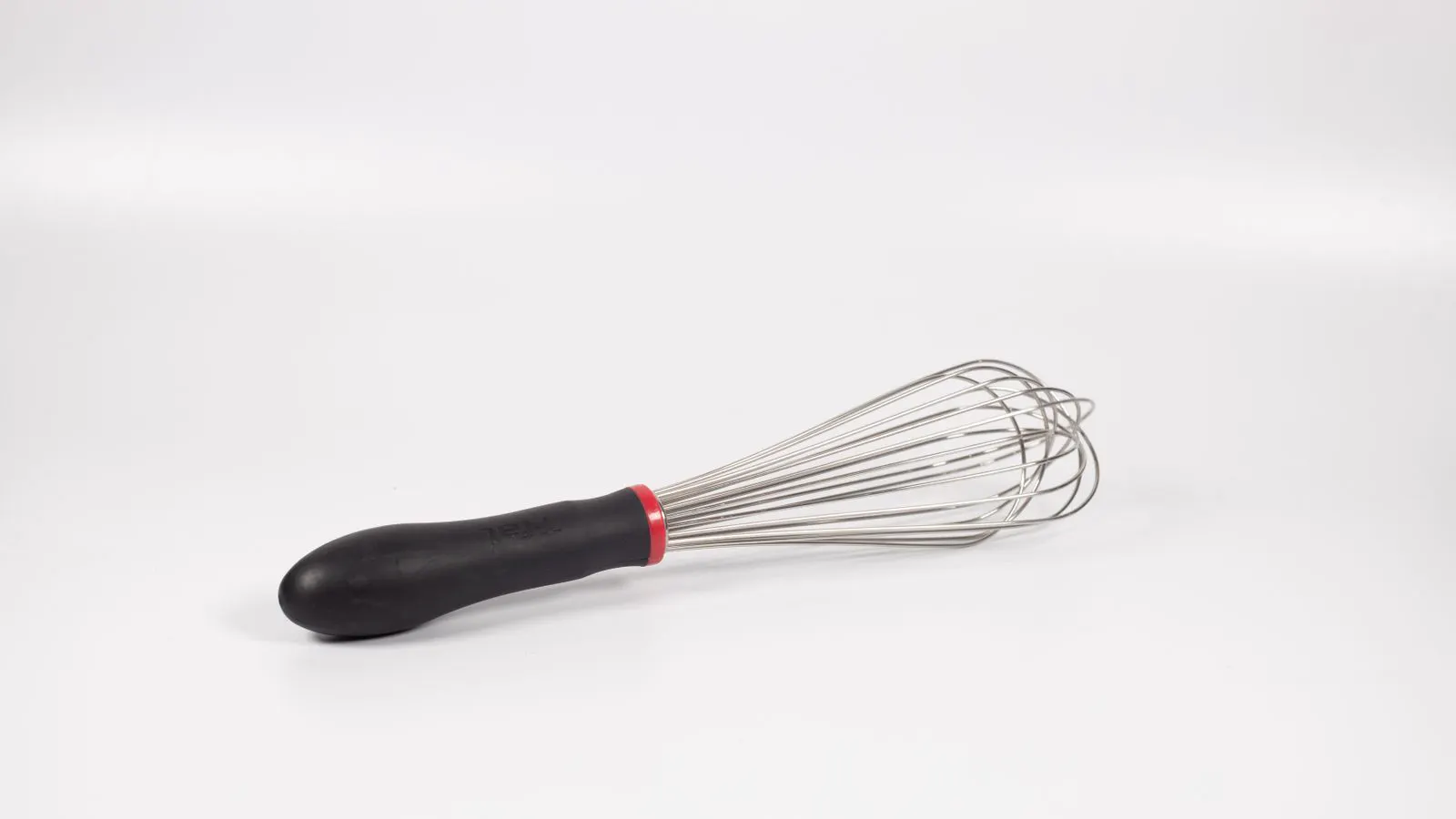
Equipment audit preparation requires systematic checks of machinery condition, sanitation access, documentation, and operational controls. This guide outlines specific

Common HACCP audit failures in machinery usually stem from poor documentation, worn seals, inconsistent cleaning, or uncalibrated sensors. This guide lists symptoms
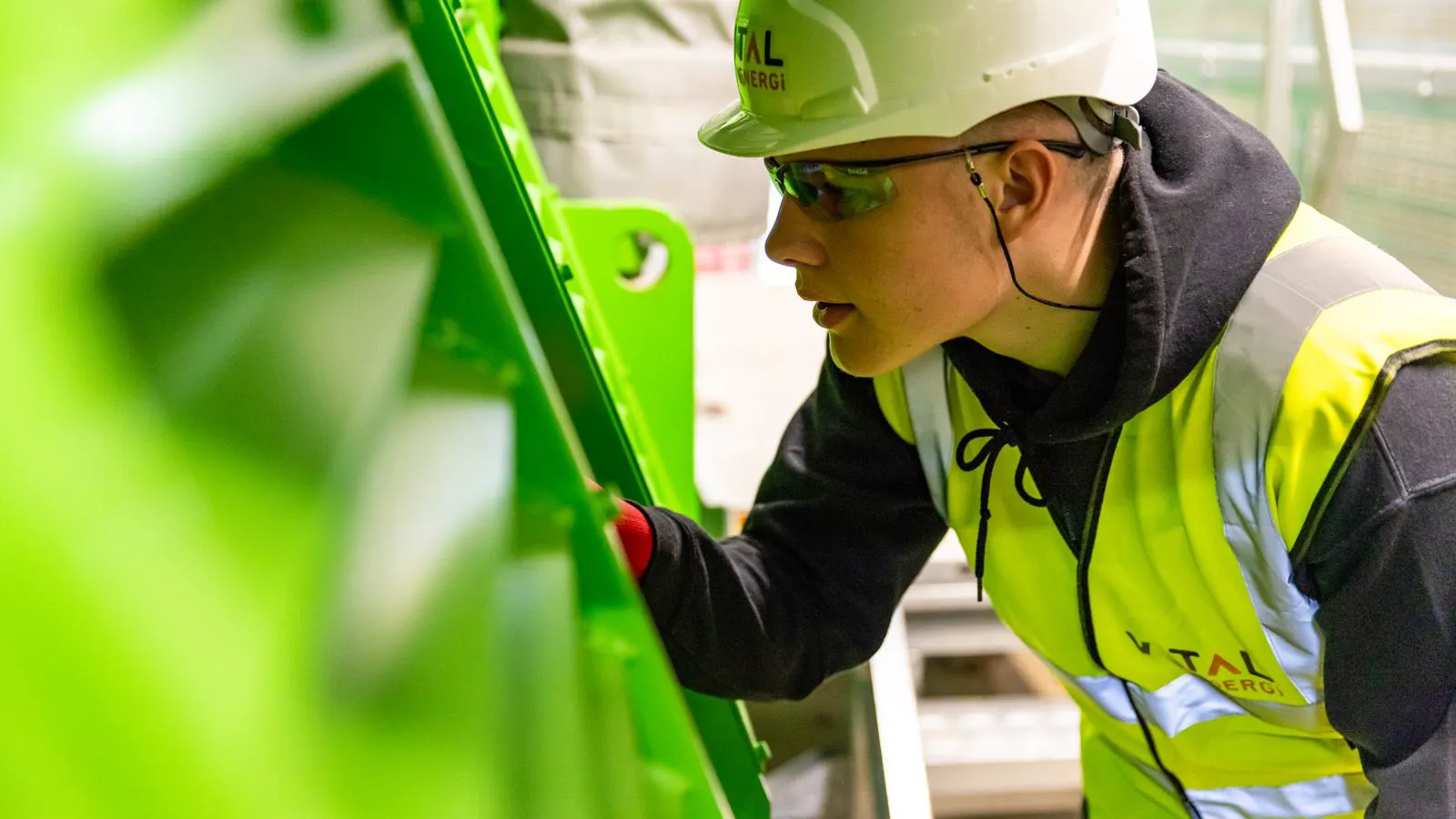
Machine certification for importers covers the documented proof that equipment meets safety, hygiene, and performance rules. It affects sourcing decisions by shaping
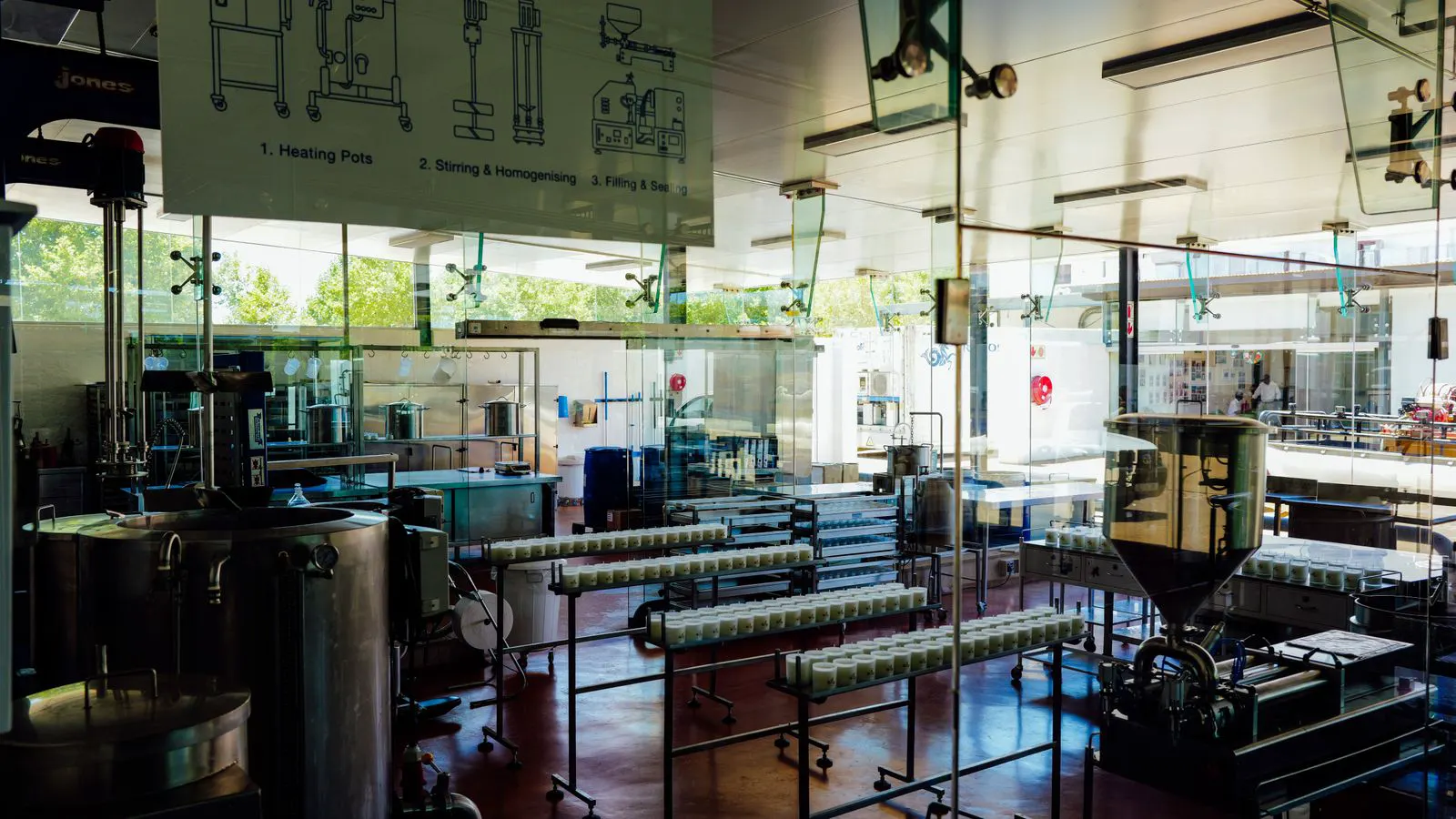
Food safety standards trends are shifting toward digital traceability, stricter hygiene design, and predictive maintenance. Buyers must anticipate these changes to
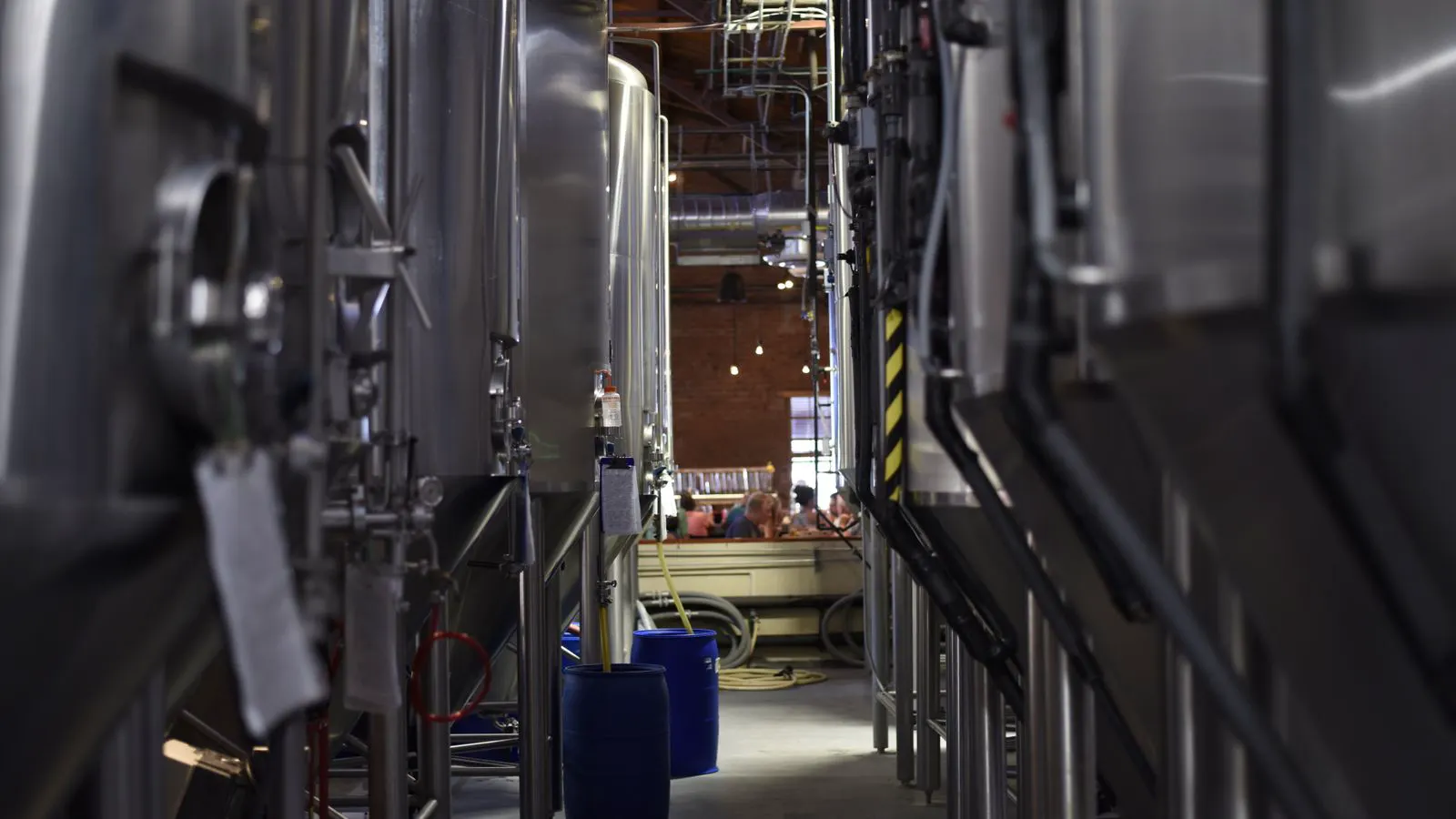
Choose HACCP equipment by verifying material compatibility, cleaning access, and data logging. This buyers guide explains how to select food safety machinery that