Persistent CIP residue in dead legs causes contamination risks and cleaning failures. This guide explains how to identify symptoms, test chemical flow, and apply mechanical or chemical fixes. It covers hygienic design changes that prevent future buildup in hard-to-reach piping.
- CIP residue in dead legs appears as sticky or discolored buildup that resists normal cleaning cycles.
- Fix residue by verifying chemical flow, increasing agitation, and using targeted mechanical cleaning where safe.
- Prevent future residue with shorter dead leg lengths, larger radii, and proper CIP concentration.
- Document all cleaning changes to support food safety compliance and audit readiness.
- Consult qualified engineers before modifying pressure-rated piping or adding chemical dosing points.
What CIP residue looks like in dead legs
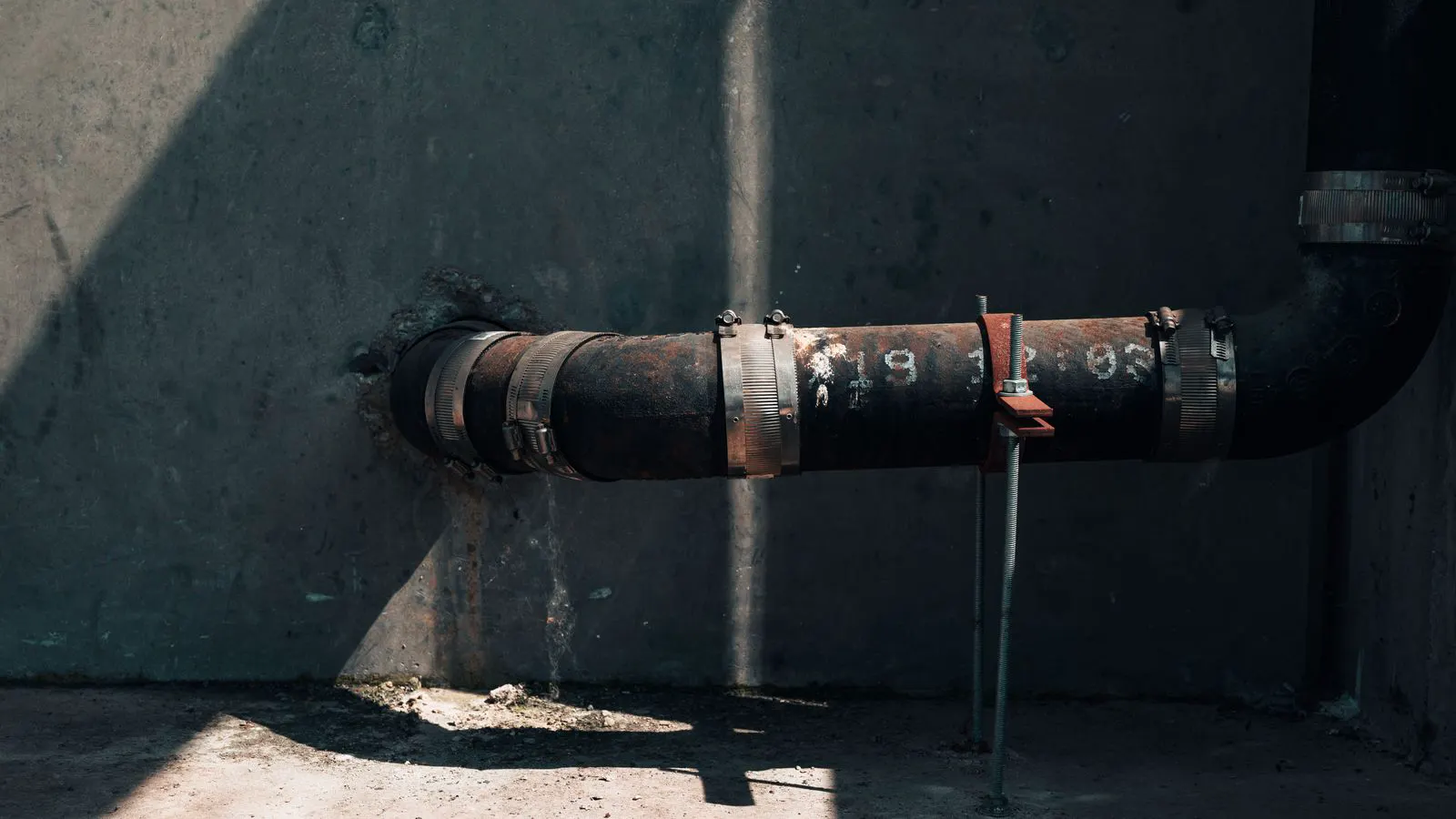
CIP residue in dead legs shows up as a thin film, sticky layer, or dark discoloration on the inner pipe wall. It often forms in elbows, branch points, or unused sections of stainless steel piping. The buildup can be organic material from previous processing, such as milk proteins, starch, or sugar. It may also mix with mineral scale if rinse water quality is poor.
Operators first notice the problem during visual inspection or when the next CIP cycle fails to remove the film. The residue can trap microbes and cause false-positive cleanliness checks. It can also reduce flow rate in small-diameter lines.
Common symptoms of poor dead leg cleaning
| Symptom | Likely cause | What to do |
|---|---|---|
| Sticky brown film after rinse | Incomplete chemical contact or low flow velocity | Increase CIP temperature and extend soak time |
| Dark patches in unused elbows | Stagnant product or mineral scale | Run a short acid or alkaline rinse cycle, then inspect |
| Reduced flow rate in branch lines | Accumulated organic material blocking the pipe | Use a soft cleaning rod or low-pressure water jet |
| Persistent odor after cleaning | Biofilm growth or trapped food solids | Add a targeted disinfectant step and verify contact time |
| Repeated buildup in the same location | Hygienic design flaw or incorrect CIP concentration | Measure flow path and adjust chemical dosing or geometry |
These symptoms usually point to a combination of chemical, mechanical, and design issues. The same dead leg may need more than one fix.
Likely causes behind persistent CIP residue
The first cause is low flow velocity. Dead legs are sections of piping where product or CIP solution moves slowly or stops moving. When solution stagnates, chemical concentration drops and organic material settles. The longer the dead leg, the higher the risk.
The second cause is incorrect CIP concentration. If alkaline or acid solution is too dilute, it may clean the main line but not the slow-moving dead leg. If the concentration is too high, it can cause scaling or damage to seals. Operators should check the dosing pump calibration and verify the solution pH with a meter.
The third cause is inadequate temperature. Many CIP systems run at 70 to 80 degrees Celsius. If the dead leg is far from the heat source, the local temperature may be lower. Cooler solution cleans more slowly and leaves residue behind.
The fourth cause is poor hygienic design. Sharp internal corners, small radii, and long branch lines create areas where solution does not circulate well. These areas are common in older equipment or in lines that were extended without a full redesign.
How to test the CIP flow in a dead leg
Before changing chemistry or adding mechanical cleaning, measure the flow. Install a temporary flow meter or use a pressure gauge at the inlet and outlet of the dead leg section. The goal is to confirm that CIP solution reaches the dead leg and moves at a velocity that supports cleaning.
A practical test is a timed fill. Open the CIP valve and observe how long it takes for the dead leg to fill with solution. If the section fills slowly or only partially, the flow path is restricted. Check for closed isolation valves, partially blocked screen strainers, or collapsed flexible hoses.
Also check the return line. If the CIP solution cannot return from the dead leg, it will stagnate. Verify that all valves are in the correct position and that the return line diameter matches the supply line as closely as practical.
Step-by-step fixes for persistent CIP residue
- Confirm the CIP program. Check that the dead leg is included in the cleaning sequence. Some systems skip small branch lines if the software is set to clean only the main loop.
- Increase the soak time. Extend the alkaline or acid soak by five to ten minutes and retest the residue. Do not increase temperature beyond the equipment rating.
- Raise the flow rate if the pump allows. A higher velocity helps carry solution through the dead leg and removes loose particles.
- Add a mechanical agitation step. A rotating brush, swab, or low-pressure water jet can remove stuck-on residue. Use only tools that are compatible with the food-grade surface and that do not scratch stainless steel.
- Apply a targeted chemical rinse. For organic residue, a stronger alkaline rinse may help. For mineral scale, a mild acid rinse is more effective. Always follow the chemical manufacturer’s dilution and contact time guidance.
- Verify cleanliness. Use a visual check, a swab test, or an ATP test after the fix. Record the result and compare it with the previous cycle.
- Review the hygienic design. If the residue returns, the dead leg geometry may be the root cause. Consider shortening the dead leg, increasing the pipe diameter, or adding a full-bore valve.
Prevention tips for dead leg cleaning
The best prevention is to reduce the dead leg itself. Keep unused or low-flow sections short. If a branch line is needed for future expansion, use a full-bore isolation valve that opens completely and keeps the internal path smooth.
Increase the internal radius of elbows. A larger bend allows solution to flow with less turbulence and less deposit. This is a common hygienic design improvement in new equipment.
Run CIP at the highest temperature that the seals and gaskets can handle. Higher temperature improves chemical activity and reduces the time needed for residue to break down.
Maintain rinse water quality. Poor rinse water can leave mineral deposits that mix with organic residue. Test the rinse water for conductivity and hardness, and adjust the softening or filtration system if needed.
Schedule regular inspection. Open the dead leg after each major cleaning cycle and check for buildup. Use a small mirror or borescope if the opening is too small for a direct view.
Document every change. Record the CIP program, chemical concentration, temperature, and flow rate. This documentation supports food safety compliance and makes it easier to trace the cause of a cleaning failure.
When to call a qualified engineer
Some dead leg problems are beyond routine operator fixes. If the residue is bonded to the pipe surface, if the chemical program cannot be adjusted safely, or if the dead leg length is too large to clean effectively, a qualified engineer should review the system.
An engineer can calculate the flow velocity, check the pressure rating, and recommend a design change that meets food safety requirements. They can also advise on whether a mechanical cleaning device is suitable for the pipe material and the product type.
Do not modify pressure-rated piping without a documented engineering review. Changes to valves, elbows, or branch lines can affect the integrity of the system and may require new certification or re-inspection.
Connecting dead leg fixes to broader food safety practice
Fixing CIP residue is one part of a larger cleaning and compliance system. A well-designed CIP program, clean rinse water, and proper equipment preparation all work together to reduce contamination risk.
Operators should treat dead leg cleaning as a recurring task, not a one-time repair. If the same section builds residue every cycle, the root cause is likely design or program related. A single chemical adjustment may mask the problem but will not remove it permanently.
Keep the cleaning records current. Food safety audits often look for evidence that difficult-to-clean areas were identified and addressed. A simple log of dead leg inspections, CIP adjustments, and verification results can demonstrate control.
Frequently asked questions
How do I know if a dead leg has CIP residue?
Look for a sticky or discolored film, reduced flow, or persistent odor after cleaning. A swab or ATP test can confirm the presence of organic material.
Can I use a stronger chemical to clean a dead leg?
Sometimes. A stronger alkaline or acid rinse may remove organic or mineral residue, but only within the equipment and chemical manufacturer limits. Always verify compatibility and contact time.
What is the best way to prevent dead leg buildup?
Shorten the dead leg, increase the pipe radius, and ensure the CIP solution flows through the section at adequate velocity. Maintain the correct chemical concentration and temperature.
Do I need to replace the pipe to fix a dead leg?
Not always. In many cases, a design change such as adding a full-bore valve or rerouting the line is enough. Replacement is only needed if the existing geometry cannot be cleaned effectively.
How often should I inspect dead legs?
Inspect them after each major cleaning cycle and after any change in product or CIP program. A regular schedule, such as weekly or monthly, helps catch buildup before it becomes a food safety issue.