CIP costs are driven by line length, tank volume, and material compatibility. While manual cleaning is cheaper to start, automated systems reduce labor and downtime. Proper RFQs and fair quote comparison determine the best long-term value for hygiene compliance.
- CIP systems reduce manual labor and cleaning downtime, but require higher initial capital and installation time.
- Cost drivers include line length, tank volume, material compatibility, and control complexity.
- A clear RFQ should specify tank dimensions, CIP agent types, control requirements, and delivery timeline.
- Comparing quotes fairly requires normalizing for installation scope, spare parts, and after-sales support.
- Hygiene compliance and audit readiness often justify the higher upfront investment in automated cleaning.
Why CIP Costs Vary Across Facilities
CIP costs are rarely a single number. They depend on how much equipment must be cleaned, how dirty it gets, and how strict the hygiene compliance requirements are. A small beverage line with two tanks and short tubing may see a modest increase in capital expenditure, while a large dairy facility with multiple reactors, heat exchangers, and long pipe runs will face a significantly higher budget. The variance often comes from the complexity of the process flow rather than the size of the building. A facility that processes a single, simple product type can share a central CIP loop with several pieces of equipment. A facility that switches between different product recipes requires more complex valve switching and separate chemical tanks to prevent cross-contamination.
The difference between a basic CIP loop and a fully automated system can be substantial. A basic setup may use a single tank and manual switch selection. A fully automated loop includes multiple tanks for detergent, rinse, and sanitizer, plus a control unit that sequences the cycles based on temperature and pressure. Each added tank, pump, and valve increases the cost and the installation time. For instance, a plant moving from a two-stage wash to a four-stage wash adds chemical tanks, additional pumps, and more complex control logic. This complexity also increases the footprint of the installation, which can force civil works adjustments if the floor space is already tight.
What Drives the Initial Investment
The primary cost drivers for CIP systems are physical and technical. Tank volume is the most visible factor. A 5,000-liter tank costs more to manufacture and install than a 1,000-liter unit. Material choice also matters. Stainless steel is the standard for food contact surfaces, but certain applications may require different alloys for corrosive agents. For example, a facility processing highly acidic beverages might need a specific grade of stainless steel or a lined vessel to withstand the long-term exposure of the cleaning and production processes.
Piping and fittings add another layer of cost. The longer the pipe run from the tank to the equipment, the more fittings, valves, and supports are needed. Spray arms and nozzles must be sized correctly for the equipment they clean. Poorly sized nozzles can lead to incomplete cleaning, which fails hygiene compliance checks and forces repeat cycles. The cost of the spray arm itself is usually small compared to the cost of the tank, but the cost of the failure is high. A nozzle that clogs easily or sprays in the wrong pattern wastes water and increases the cycle time.
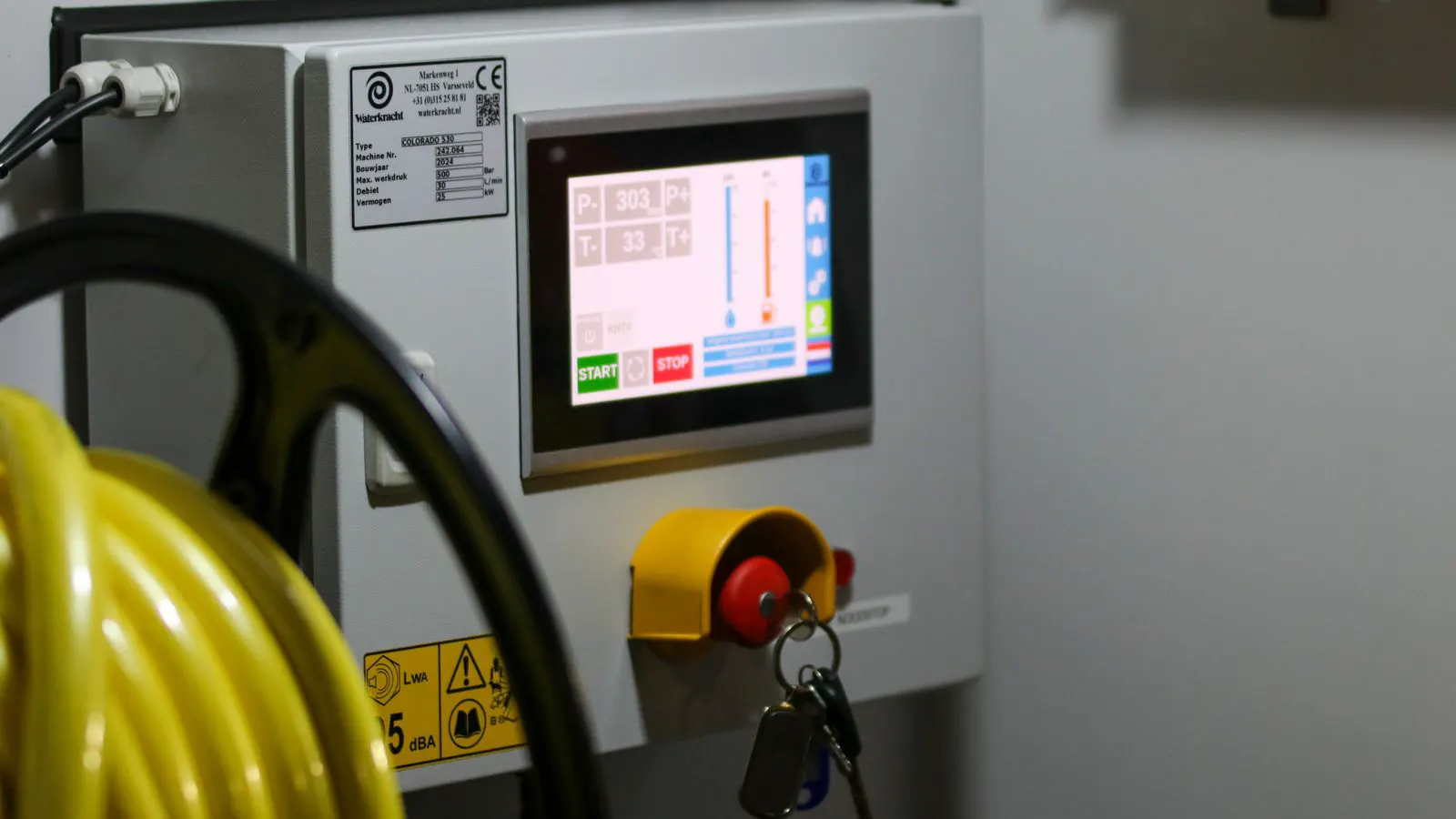
Control systems are often underestimated in early budgeting. A manual system may use a simple timer and a few switches. An automated system with programmable logic controllers, temperature sensors, and pressure gauges costs more and requires more installation time. The control logic must handle different cleaning agents, which have different dwell times and temperature requirements. A system that cleans a thick dairy residue requires a different temperature profile than one that rinses a thin beverage syrup. The complexity of the control program increases the engineering fee and the commissioning time.
How Lead Time Impacts Production
Cleaning lead time is not just about how long a cycle takes. It is also about how long the system takes to install. A CIP system that arrives in six weeks can be installed and tested in another two to three weeks, depending on the site conditions. If the facility is running, the installation may require a shutdown. That shutdown itself costs money in lost production. The decision to install during a production run or during a planned shutdown is a strategic one. A planned shutdown allows for a controlled installation, but it halts revenue generation. An installation during a running period may require working in shifts and using temporary bypass lines to keep production moving.
The delivery time varies by supplier and complexity. Standard tanks may ship quickly. Custom-built systems with specific control logic or unusual materials can take longer to fabricate. Lead time also includes the time needed for site preparation. If the floor needs new concrete, electrical work, or water supply upgrades, those tasks add weeks to the project. A common delay is the electrical supply. The control cabinet may require a dedicated circuit or a specific voltage phase that is not currently available. The facility must coordinate with the electrical contractor to ensure the power is ready before the CIP system arrives.
Planning for lead time means mapping out the installation window. A facility that needs to clean a reactor before the next production run must schedule the CIP installation during a planned maintenance period. If the installation is delayed, the manual cleaning process continues, which ties up labor and limits throughput. The facility should have a backup plan for cleaning during the transition period. This may involve using a portable CIP unit or increasing the manual cleaning crew to maintain hygiene standards until the new system is live.
How to Write a Clear RFQ
A vague request for quotation leads to vague answers. When writing an RFQ for CIP costs, specify the equipment that will be cleaned. Include tank dimensions, pipe lengths, and the type of product processed. State the cleaning agents that will be used, such as caustic detergent, acid, or sanitizer. The more specific the RFQ, the more accurate the quote. For example, instead of saying “clean a tank,” specify “clean a 2,000-liter stainless steel jacketed vessel with a top-mounted agitator.” This information helps the supplier determine the correct nozzle size and the necessary pressure.
Define the control requirements. State whether the system needs manual or automated operation. If automated, list the parameters that must be controlled, such as temperature, pressure, flow rate, and cycle time. Specify the communication protocol, such as a local HMI or integration with the plant data system. The control requirements also define the level of automation. Does the operator need to start each cycle, or should the system run automatically on a schedule? This distinction affects the control logic and the hardware cost.
Include the installation scope. State who will handle civil works, electrical work, and piping. Clarify if the supplier will provide spare parts, such as nozzles, valves, and gaskets. A clear RFQ helps suppliers quote accurately and reduces the risk of change orders later. Change orders can be expensive and delay the project. By defining the scope clearly, the facility can compare quotes on an apples-to-apples basis.
How to Compare Quotes Fairly
Not all quotes are built the same. One supplier may include the control system in the price, while another may list it as an optional add-on. Before comparing, normalize the scope. Check if each quote includes the same number of tanks, the same type of control logic, and the same installation services. It is easy to miss a small detail that significantly changes the total cost. For example, one quote may include the installation of the spray arm, while another may list it as an extra service.
Look beyond the sticker price. A lower initial cost may come with higher long-term operating expenses. If a system uses a single pump for all cycles, it may wear out faster than a system with dedicated pumps. If the control system is basic, it may not meet future hygiene compliance requirements, forcing a costly upgrade later. The facility should consider the total cost of ownership, not just the purchase price. This includes the cost of energy, water, and labor over the life of the system.
Ask for the delivery timeline in the quote. A supplier that can deliver in eight weeks is more valuable than one that needs four months, especially if the facility has a production deadline. Also ask about after-sales support. A supplier that provides remote troubleshooting and local service is worth more than one that only sells the hardware. The quality of the support affects the downtime if a problem occurs. A reliable supplier will have a clear service agreement and a stock of spare parts.
Long-Term Savings and Hygiene Compliance
The initial investment in CIP costs is often offset by operational savings. Manual cleaning requires trained labor, which is expensive and subject to turnover. Automated cleaning reduces the need for manual intervention, freeing staff for other tasks. The time saved on cleaning also increases the number of production cycles per day. For a facility that produces high-value products, the increase in throughput can quickly pay back the cost of the CIP system.
Hygiene compliance is another major factor. CIP systems provide a consistent cleaning process. Every cycle follows the same sequence, temperature, and duration. This consistency makes it easier to demonstrate compliance during audits. A manual process is harder to control and document, which can lead to audit failures. The audit trail is a critical part of the compliance process. A CIP system with a data logger can provide a record of every cycle, including the temperature and pressure readings. This data can be used to verify that the cleaning process was performed correctly.
The long-term value of CIP is also in reduced waste. Incomplete cleaning can lead to product contamination, which results in rejected batches and wasted raw materials. A well-designed CIP system minimizes this risk. The cost of a rejected batch can exceed the annual operating cost of the cleaning system. The facility should track the number of rejected batches before and after the installation of the CIP system to measure the impact on quality and waste.
Installation and Commissioning Checklist
Before the CIP system arrives, prepare the site. Verify that the floor can support the tank weight. Check that the water supply has enough flow and pressure. Confirm that the electrical supply meets the control system requirements. The site preparation is often the most time-consuming part of the project. If the floor is not level, the tank may not sit correctly, which can affect the spray arm alignment. The electrical supply must be stable to avoid control system failures.
During installation, inspect the piping for leaks and proper supports. Test the spray arms to ensure they cover the entire surface of the equipment. Run a water-only cycle to verify flow and pressure. Then run a full cleaning cycle with the actual agents to confirm that the control logic works correctly. The water-only cycle is a critical check. It identifies any air locks in the piping or any leaks that may not be visible during the dry assembly. The full cleaning cycle verifies that the chemical concentrations and temperatures are correct.
Commissioning is not just a technical task. It is also a training task. Train the operators on how to start and stop the cycles. Train the maintenance team on how to clean the filters and replace worn parts. Document the process so that it can be reviewed during audits. The training should include troubleshooting scenarios. For example, what to do if a sensor fails or if a valve does not open. The documentation should include the operating procedures and the maintenance schedules.
Common Mistakes to Avoid
One common mistake is underestimating the pipe runs. A short pipe run on paper can become a long, awkward route in the real plant. Extra pipe means extra cost and extra cleaning time. Measure the actual route before finalizing the design. Use a laser measure to get the exact length of the pipe run. This information helps the supplier calculate the correct pump capacity and the number of fittings needed.
Another mistake is choosing the wrong spray arm. A spray arm that is too small will not clean the tank properly. A spray arm that is too large may waste water and energy. The spray arm must be matched to the tank size and the equipment being cleaned. The supplier should provide a spray pattern diagram for the selected arm. This diagram shows the coverage area and the flow rate. The facility should verify that the pattern covers all the critical cleaning zones, such as the bottom of the tank and the inside of the jacket.
Finally, do not skip the spare parts list. If a valve fails during production, the line stops. Having spare parts on site reduces downtime. Include critical components in the initial purchase to avoid emergency orders with long lead times. The spare parts list should include the most likely failure points, such as the nozzles, the gaskets, and the sensors. The facility should store these parts in a dry, accessible location. This ensures that maintenance can be performed quickly when needed.
Frequently asked questions
What is the main difference between CIP and manual cleaning in terms of cost?
CIP requires a higher initial investment in tanks, pumps, and controls. Manual cleaning costs less upfront but ties up labor and limits production speed.
How does cleaning lead time affect the decision?
Shorter cleaning lead time means more production cycles per day. It also means less downtime during maintenance, which improves overall facility output.
What documents are needed for a CIP RFQ?
You need tank dimensions, pipe lengths, product type, cleaning agents, and control requirements. Include installation scope and delivery timeline.
How can I ensure hygiene compliance with CIP?
Use a consistent, automated cycle with proper temperature and pressure. Document each cycle and keep maintenance records for audits.
Is CIP always worth the investment?
It depends on production volume and labor costs. For high-volume facilities with strict hygiene compliance, the long-term savings usually justify the upfront cost. ===END===