AI food mixer design is moving from reactive monitoring to predictive control. This guide outlines five major shifts in industrial mixing technology. It explains how procurement managers can evaluate vendors and plan for future capabilities without over-investing in unproven features.
- AI in food mixers is primarily changing how parameters are set and monitored, not necessarily the mechanical mixing action itself.
- Procurement should focus on data integration capabilities and vendor support for machine learning models, not just hardware specs.
- Hygienic design and mechanical reliability remain the foundation before adding any intelligent control layers.
- Prepare by standardizing data formats and defining clear performance metrics before engaging with vendors about smart features.
- Avoid buying "smart" labels without verifying the actual algorithms, sensor placement, and integration protocols.
What changes when AI enters the mixer
AI food mixer design does not replace the mechanical agitator or the heating jacket. It changes how operators and engineers interact with the process. The core objective is to narrow the gap between recipe intention and actual output. Traditional mixers operate on fixed set points. A recipe calls for 85 degrees Celsius and a specific torque. The operator monitors the display and makes manual adjustments based on visual cues or simple alarms. AI approaches shift this model. The system observes multiple variables simultaneously. It reads torque, temperature, viscosity changes, and acoustic signatures. It adjusts set points in real time to maintain the target profile without human intervention.
For a procurement manager, the shift is subtle but significant. You are no longer buying a vessel with a motor. You are buying a data collection point that feeds into a control loop. The value proposition moves from hardware durability to data quality and algorithm accuracy. A mixer with a larger motor is only as good as its ability to process input signals. If the sensors are slow or the algorithm is poorly tuned, extra power creates no benefit. The machine becomes an active participant in quality control rather than a passive container for ingredients.
This change alters the maintenance schedule. Mechanical wear still happens, but the machine can detect early signs of imbalance. A slight increase in vibration noise or a deviation in torque profile can indicate a bearing issue before it becomes a breakdown. The operator no longer relies solely on a weekly inspection checklist. They review digital trends. The mixer tells them when something is off. This requires a shift in mindset. Staff must become comfortable interpreting data streams alongside physical checks.
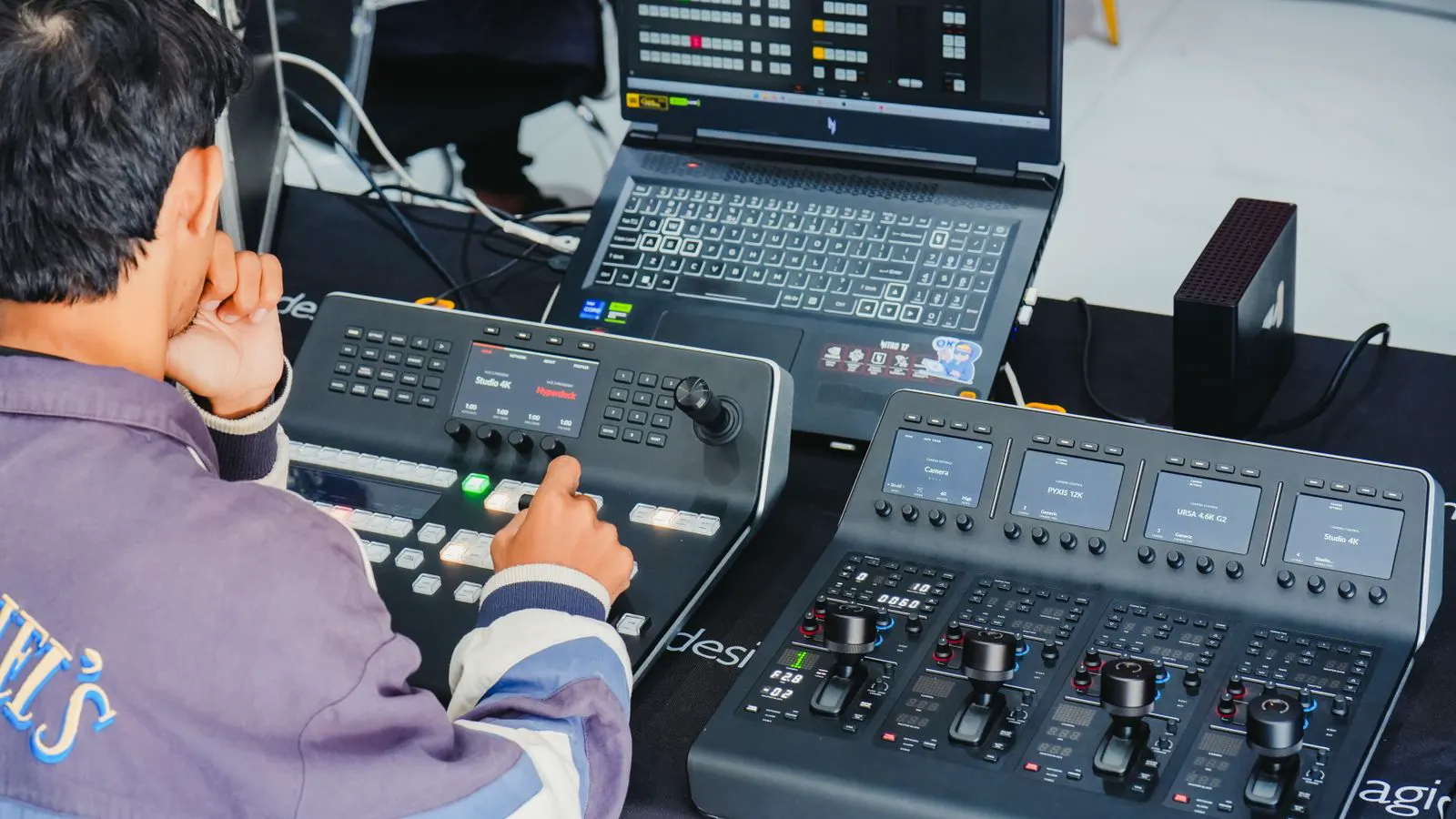
The control interface also changes. Old panels show temperature and speed. New panels show process health indicators. They might display a confidence score for the current batch or a prediction of energy usage for the next cycle. This interface is not just a screen. It is a diagnostic tool. It helps the operator understand why the system made a change. If the mixer slows down suddenly, the display should explain why. It should show that moisture content in the incoming flour batch was higher than expected, so the system reduced speed to prevent overheating. Transparency is key. A black box that makes changes without explanation will not earn operator trust.
How machine learning improves consistency
Inconsistent batches usually trace back to small variations. Ingredient density changes slightly. Water content in raw materials varies. The mixing vessel is not perfectly clean, affecting heat transfer. A standard PLC reacts to these changes with a delay. It sees the temperature drop, then fires the steam. By that time, the mixture has already cooled past the optimal window. The product may still pass quality checks, but it may not have the desired texture or shelf life.
AI models learn the relationship between these inputs and the final product state. They predict the required heat input based on the load weight and estimated moisture content. They anticipate torque spikes before they happen, adjusting speed or ramp rate to prevent motor overload. For example, if the system detects that the dough is developing gluten faster than usual, it can reduce shear force early on. This prevents over-mixing without waiting for the operator to notice a change in the mixture’s appearance.
This is not magic. It is pattern recognition applied to process data. The model improves with every batch. A new model trained on a specific customer’s recipes will outperform a generic algorithm. This creates a dependency. If the vendor stops updating the model, performance can degrade. The model needs to be fed with current data. If the raw material supplier changes brands, the moisture content shifts. The model must adapt. This requires a feedback loop between the plant and the vendor.
The consistency gains are measurable. Batch variance in key attributes like pH or viscosity decreases. Operators spend less time adjusting parameters mid-batch. The process becomes more predictable. This predictability allows for tighter quality control. You can set narrower acceptance limits without rejecting more product. The result is a more stable output that matches the recipe specification more closely. Every batch behaves the same, regardless of minor fluctuations in raw material quality.
The integration challenge
The biggest barrier to adoption is not the algorithm. It is the data. Most food plants run multiple machines from different manufacturers. They use different protocols. Some mixers output data in proprietary formats. Others use standard industrial communication. This fragmentation makes it hard to build a unified picture of the process.
AI food mixer design requires clean, synchronized data. If the temperature sensor is slow to react, the model will make wrong predictions. If the torque signal is noisy, the model will overcorrect. Vendors must provide transparent sensor specifications. Buyers need to know the update rate and accuracy of each input. A temperature sensor that updates every five seconds is not good enough for a rapid mixing cycle. A torque sensor with a high noise floor will confuse the algorithm.
Integration with the plant-level system is another hurdle. The mixer control system must talk to the plant historian. It must receive batch instructions from the central control system. It must log every adjustment for traceability. If the vendor only provides a standalone screen, the AI is trapped inside the mixer. It cannot learn from the broader plant context. It does not know if the previous batch failed or if the next batch will be a different product.
Data security is also a concern. Connecting a mixer to a cloud server or a central plant network exposes it to potential cyber threats. Vendors must use secure communication protocols. Data should be encrypted in transit. Access to the mixer control system should be limited to authorized personnel. A breach could allow an attacker to alter process parameters remotely. This could lead to safety risks or product contamination. Buyers must ask about security measures before installation.
The physical connection matters too. The mixer needs stable power and reliable network access. Electrical noise from other machinery on the same circuit can interfere with sensitive sensors. Shielded cables and proper grounding are necessary. The network bandwidth must be sufficient to handle the data load. If the plant uses a congested network, data packets may be lost. The model will see gaps in the data and make poor decisions. Infrastructure preparation is critical.
Table: Key AI features to evaluate
| Feature | What to look for | Why it matters |
|---|---|---|
| Real-time parameter adjustment | Can the system change heating or mixing speed without operator input? | Reduces drift and improves energy use. |
| Predictive maintenance | Does the system flag bearing wear or motor strain before failure? | Avoids unplanned downtime during production runs. |
| Recipe optimization | Can the system suggest recipe changes based on historical data? | Improves yield and consistency over time. |
| Sensor redundancy | Are there backup sensors for critical variables? | Prevents false alarms and maintains control if one sensor fails. |
| Data export | Can raw data be downloaded for external analysis? | Gives you freedom to use third-party analytics tools. |
How to prepare your procurement strategy
Do not wait for the technology to mature. Start preparing your infrastructure now. The mixers you buy today should be capable of accepting future upgrades. Look for open communication protocols. Ask vendors if their control system supports adding external data loggers later. This flexibility protects your investment. If a new, better algorithm becomes available in five years, you should be able to install it without replacing the entire machine.
Define your success metrics before you start talking to vendors. What does “better” mean for your product? Is it a reduction in batch variance? Is it a lower energy cost per kilogram? Is it a shorter cycle time? If you cannot define the metric, you cannot measure the value of the AI. A vague goal like “improve quality” is useless for evaluation. You need specific numbers. For example, you might aim to reduce the standard deviation of final product viscosity by 15 percent. Or you might aim to cut energy consumption per batch by 10 percent. These targets guide your decision and help you verify the vendor’s claims.
Also, review your staffing. AI systems require different maintenance skills. Technicians must understand data streams, not just electrical wiring. Plan for training. If your team cannot interpret the model’s recommendations, the system will be ignored or overridden manually. Operators need to know when to trust the machine and when to intervene. They need to understand the basic logic behind the adjustments. Without this understanding, the system will be viewed as a black box, and trust will erode.
Budget for service and support. The algorithm is not a one-time purchase. It requires ongoing updates and maintenance. Ask about the cost of model retraining. Is it included in the warranty? Or is it a separate service fee? What happens if the model fails to perform as expected? The support contract is as important as the hardware purchase. A strong support relationship ensures the system stays effective over time.
The role of hygienic design
Intelligence does not override hygiene. A smart mixer that fails to drain properly or has dead legs in the jacket will cause contamination issues. AI can help monitor hygiene by detecting residual material based on pressure drop or cleaning cycle data. But it cannot replace proper mechanical design. The physical structure of the mixer is the foundation. If it is flawed, no amount of software can fix it.
Before buying an “AI” mixer, verify the hygienic design. Check the surface finish of the wetted parts. Ensure the drain points are accessible. Confirm the steam jacket can be flushed completely. Look for smooth transitions from the vessel to the piping. Sharp corners and recesses trap particles and bacteria. These areas are hard to clean and become hotspots for microbial growth.
The cleaning process is critical. The mixer must support both manual and automatic cleaning. The AI system should be able to log cleaning parameters. Did the CIP cycle meet the required temperature and chemical concentration? Was the rinse water clear? The system can compare these logs to historical data. If a cleaning cycle deviates from the standard, it should alert the operator. This creates a digital record of hygiene compliance.
Hygiene and AI are complementary. The AI monitors the process, but the mechanical design ensures the environment is clean. You cannot have a smart process in a dirty vessel. The two must work together. When evaluating a vendor, look at their hygienic design standards. Ask for samples of their wetted parts. Check the surface finish. Verify that the drain geometry allows for complete emptying. These details are often overlooked in favor of software features, but they are the most important.
What to ask vendors
When you speak with a vendor about AI features, push for specifics. Ask for a data dictionary. You need to know exactly what data the system collects and how it is processed. Ask for a sample report. Can they show you how the model adjusted parameters during a specific batch? A sample report helps you understand the output format and the level of detail provided.
Ask about model retraining. How often does the model need to be updated? Who performs the retraining? Is it done on-site or in the cloud? If the model is in the cloud, what happens if your internet connection drops? Does the mixer revert to manual control? Or does it continue to operate using a local version of the algorithm? You need to know how the system behaves in a disconnection event. A plant cannot afford a shutdown because of a network outage.
Finally, ask about the warranty. If the algorithm fails to perform as expected, is that covered? Most hardware warranties do not cover software performance. You need a service agreement that guarantees algorithm accuracy for a defined period. Ask about the response time for software bugs. If the model makes a wrong adjustment, how quickly will the vendor fix it? Will they provide a patch or a full update? The speed of response matters. A delayed fix can lead to lost production time or quality issues.
Also, ask for references. Speak with other customers who have bought the same system. Ask them about the integration process. Were there any surprises? Did the system perform as promised? What was the support experience like? Real-world feedback is invaluable. It reveals issues that the vendor might not mention in a sales presentation.
The path forward
The rise of AI in food mixer design is gradual. It is not a single purchase. It is an ongoing integration of hardware, software, and process knowledge. The mixers of the future will be less about the size of the motor and more about the quality of the data they generate. The value lies in the insights, not just the actuation.
Procurement managers should treat this as a long-term investment. Buy machines with open architectures. Build data standards into your plant layout. Train your team on the new diagnostic tools. The goal is not to have the most advanced mixer. The goal is to have a system that consistently produces the exact product you need, with less waste and less downtime.
The technology is ready for careful adoption. The risk is not in the technology. The risk is in buying it without a clear plan for how it will integrate into your existing operations. Start small. Pilot the system on one line. Measure the results. Adjust your approach. Then scale up. This methodical process ensures that the investment delivers real value. It also builds internal expertise. Your team will learn to work with the new tools. They will become proficient in interpreting data and managing the system. This internal capability is the true advantage. It allows you to control the technology rather than being controlled by it.
Frequently asked questions
What is the difference between a smart mixer and an AI mixer?
A smart mixer uses fixed rules to adjust parameters. An AI mixer uses machine learning to predict and optimize based on historical data and real-time inputs.
Do I need to replace my current mixers to get these benefits?
Not necessarily. Many modern mixers have open communication ports that allow external controllers to be added. Check your vendor's upgrade path before buying new hardware.
How long does it take for an AI model to improve?
It depends on data volume. A model may start performing well after a few dozen batches, but significant accuracy gains typically require months of consistent data collection.
Can AI replace the need for a skilled operator?
No. The operator still makes final decisions. The AI provides recommendations and handles minor adjustments. The operator monitors the system and intervenes when the model is incorrect.
What are the main risks of adopting AI in food processing?
The main risks are data quality issues, poor integration with existing systems, and over-reliance on automated adjustments without proper operator oversight.