This checklist helps importers and engineers verify food mixer hygienic design by examining surfaces, materials, seals, and documentation. It provides specific checks for sanitary compliance and red flags that indicate potential food safety risks during procurement and installation.
- Inspect all wetted surfaces for smoothness and verify material grades match your product requirements.
- Check seals, gaskets, and joints for cleanability and resistance to product residue.
- Confirm documentation and material certificates support your food safety audit trail.
- Test the mixer under typical operating conditions to identify hidden trapping zones.
Start with the Wetted Surfaces
The first place to inspect in any food mixer is the area where product actually contacts metal. Food mixer hygienic design depends on keeping these surfaces smooth, cleanable, and free of trapped material. A practical check starts with the mixing bowl, paddle, anchor, or ribbon, and the shaft seals.
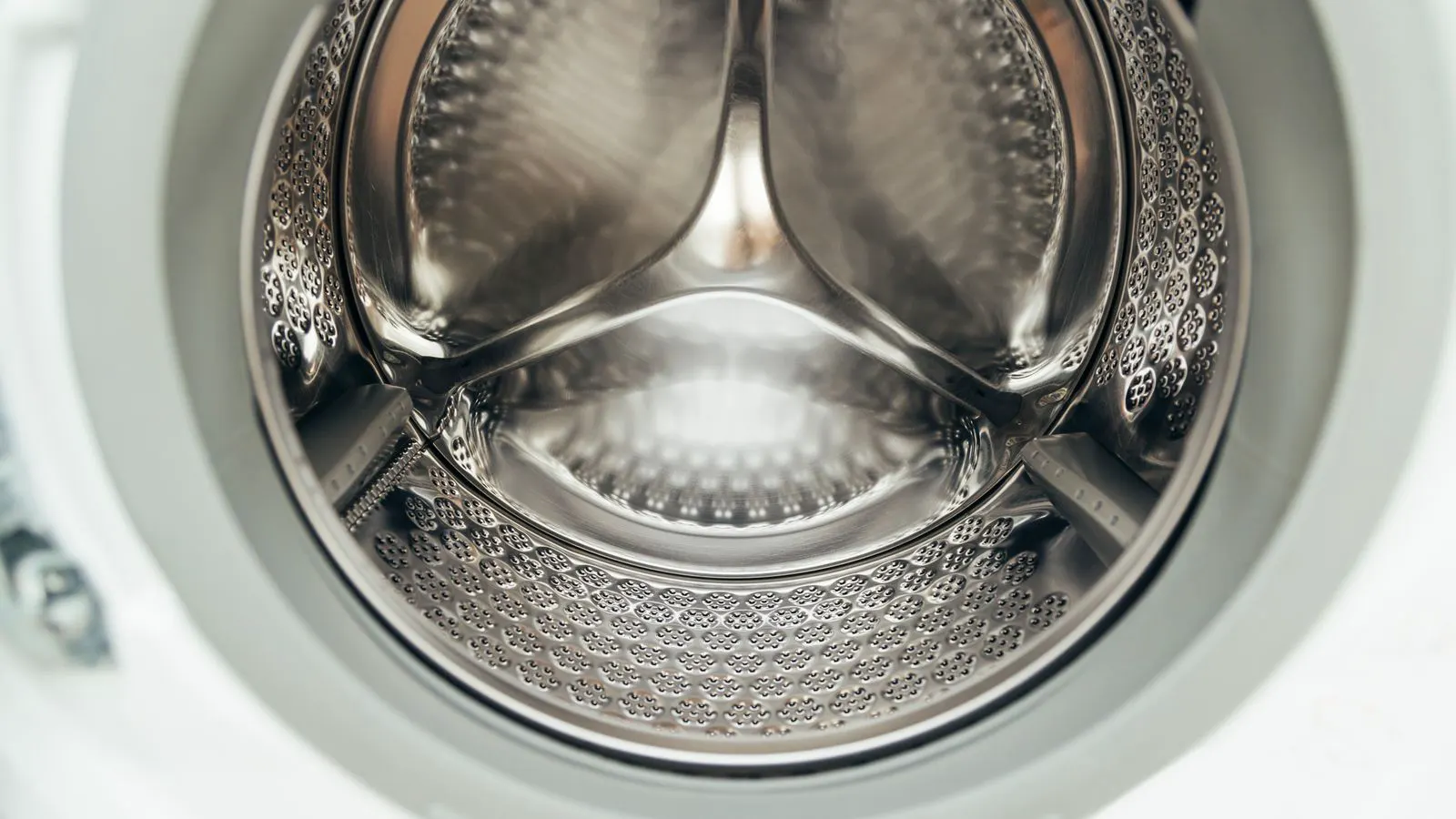
Look at the inner wall of the bowl. The surface should be polished to a finish that allows a soft brush to move across it without catching. Any roughness, welding spatter, or uneven machining creates a place where product can stick. Even small pits can hold moisture and support microbial growth over time.
The mixing element is the second critical area. Anchors and paddles have edges and corners that can trap thick products. Check the edges of the blades. They should be rounded or chamfered, not sharp. Sharp edges are not a hygienic problem in themselves, but they are harder to clean and can scratch the bowl surface over time. Scratches become a bigger issue because they create new places for residue to hide.
The shaft seals are a common weak point. These seals sit where the rotating shaft enters the bowl. They need to keep product out of the gear housing while allowing the shaft to turn. A poorly designed seal can trap product in the gap between the shaft and the seal. During cleaning, that gap is hard to reach. During operation, it can become a place where product dries and sticks.
Check the seal type. Some mixers use a single seal, while others use a double seal with a drain. A double seal with a drain is generally easier to clean because the trapped area can be flushed. If you are buying for high-moisture products, a double seal is a better starting point than a single seal.
Check Materials and Surface Finishes
Material selection matters because it affects both cleanability and durability. Stainless steel is the standard for food contact surfaces, but the grade and finish need to match your application.
For most food mixers, a stainless steel grade with good corrosion resistance and cleanability is expected. Verify the grade on the nameplate or in the material certificate. For acidic or salty products, a higher grade with better chromium content is usually preferred. If the certificate does not match the product type, that is a red flag.
Surface finish is the other side of the material question. A smooth finish is not just about looks. It is about how easily the surface can be cleaned. A rough finish traps product and makes cleaning take longer. A smooth finish reduces the chance of residue building up in small areas.
Look at the welds. Welds are a common place for poor finish quality. A well made weld is smooth and continuous. A poor weld has visible lines, spatter, or uneven transitions. These areas are hard to clean and can develop crevices over time. If the welds are not smooth, the whole surface is at risk.
Check the bowl bottom. The bottom is where product pools during mixing and where it is hardest to clean. The bottom should be smooth and free of seams or raised areas. If there is a flat bottom with a drain, the drain area needs to be easy to clean. A drain that is hard to access creates a problem. A drain that is easy to access and flush is a better design.
Examine Seals, Gaskets, and Joints
Seals and gaskets are the hidden parts of a food mixer. They are not always visible, but they are where product can get stuck. A good hygienic design makes these areas easy to clean.
Look at the bowl lid. Many mixers have a lid that closes over the bowl. The lid seal is a common trapping point. Check the seal material. It should be flexible enough to seal but not so soft that it holds product in folds. The seal should be removable or easy to clean. If the seal is fixed and hard to reach, it is a problem.
Check the feed hopper or port. If the mixer has a hopper for adding ingredients, the hopper seal and the port area need to be cleanable. Product can get stuck in the hopper seal and in the gap between the hopper and the bowl. A design that allows the hopper to be removed and cleaned is better than one that requires a brush to reach the seal.
The gear housing seal is another area to check. This seal keeps product out of the gearbox. If the seal fails, product can enter the gear housing. That is a food safety issue and a mechanical issue. The seal should be inspectable. If you cannot see the seal or check its condition without disassembling the mixer, it is a risk.
Look for any O rings or gaskets that are not food grade. Some mixers use standard industrial gaskets that are not rated for food contact. These gaskets can leach material or harbor bacteria. Every seal that touches product or product vapors should be food grade and replaceable.
Verify Cleanability Under Real Conditions
A mixer can look clean in a showroom and still be hard to clean in production. The best way to verify cleanability is to run the mixer with a product that mimics your actual use.
Run a thick product, like a batter or paste, and let it sit for a short time. Then clean it. Time how long it takes. If the cleaning takes a long time, the design is not good enough. A good design should allow cleaning to be done quickly with standard equipment.
Check the corners. The bottom corners of the bowl and the corners where the shaft enters are the hardest to clean. Use a soft brush and see if you can reach every corner. If you cannot reach a corner, that corner will hold product. Over time, that product dries and becomes hard to remove.
Test the cleaning cycle. Some mixers have a cleaning cycle that uses water or steam to flush the bowl. If your mixer has this feature, test it. Run the cycle and check if it actually removes residue. If the cycle does not work, the feature is useless. A cleaning cycle that does not work is worse than no cycle because it gives a false sense of security.
Look at the drain. The drain is the last place product goes during cleaning. If the drain is small or hard to access, product can get stuck in it. Check the drain size. It should be large enough to let product flow out easily. It should also be easy to clean. If the drain has a screen or filter, that screen needs to be removable and cleanable.
Review Documentation and Audit Trail
Documentation is not just paperwork. It is part of the hygienic design. If you cannot prove that the materials and surfaces are food safe, you have a problem during an audit.
Ask for material certificates for all food contact parts. This includes the bowl, the mixing element, the shaft, and the seals. The certificates should match the actual parts. If the certificate says one grade and the part is another, that is a red flag.
Check the finish specifications. The certificate should show the surface finish. If the finish is not specified, you are guessing. A specified finish is easier to verify during inspection.
Ask for a cleaning procedure. The manufacturer should provide a cleaning procedure that matches the design. If the procedure does not match the actual design, it is not useful. A good procedure should be simple and follow the actual cleaning steps.
Keep the documentation with the machine. During an audit, you will be asked for these documents. If they are missing, you will have to explain why. Missing documentation is a common finding in audits. It is also a sign that the machine was not properly commissioned.
Red Flags to Watch For
Some issues are easy to spot, but they are often missed in a rush. These are the red flags that indicate a problem with food mixer hygienic design.
- Welds that are rough or have spatter.
- Sharp edges on the mixing element.
- Seals that are fixed and hard to clean.
- A drain that is small or hard to access.
- Materials that do not match the product type.
- No documentation or incomplete documentation.
- A cleaning cycle that does not remove residue.
- A bowl bottom that has seams or raised areas.
If you see any of these, stop and ask the supplier for an explanation. Do not assume it will be fixed. A red flag is a sign that the design needs work. It is better to find the problem before the machine is installed.
Final Inspection Checklist
Use this numbered list for a final inspection before accepting the machine.
- Inspect the inner bowl wall for smoothness and weld quality.
- Check the mixing element edges for rounding and sharpness.
- Examine the shaft seals for type and cleanability.
- Verify material grades on the nameplate and in certificates.
- Check all seals and gaskets for food grade material.
- Test the drain for size and cleanability.
- Run a thick product test and time the cleaning.
- Review the cleaning procedure and documentation.
- Check the bowl bottom for seams and raised areas.
- Confirm the gear housing seal is inspectable.
This checklist covers the main areas of food mixer hygienic design. It is not a substitute for a full audit, but it gives you a practical way to check the machine before you accept it. Use it during site inspection and again after installation. The goal is to catch problems early and make sure the mixer meets your food safety requirements.
Frequently asked questions
What is the most common problem found in food mixer hygienic design?
The most common problem is a poorly designed seal or weld that traps product. These areas are hard to clean and can harbor bacteria.
How do I verify the material grade of a food mixer?
Check the nameplate and ask for material certificates. The certificates should match the actual parts and the product type.
Is a cleaning cycle enough to ensure hygienic design?
No. A cleaning cycle is one part of the design. You still need to check the surfaces, seals, and drains. A cycle that does not work is useless.
What should I do if I find a red flag during inspection?
Stop and ask the supplier for an explanation. Do not accept the machine until the issue is resolved and documented.
How often should I check the seals and gaskets?
Check them during routine maintenance and during audits. The frequency depends on the product and the use, but a regular check is necessary.