Match mixer type to product viscosity to ensure consistent mixing, heat transfer, and hygiene. Procurement teams should evaluate shear, power, material, and control systems before specifying equipment.
- Match agitator design to the target viscosity range before specifying motor power.
- High viscosity products require low shear and slow speeds to prevent product damage.
- Verify hygienic design and control systems to maintain consistent batch quality.
- Request pilot testing with your specific formulation to validate equipment selection.
- Document viscosity measurements and mixer specifications for future scaling and maintenance.
Why Viscosity Drives Mixer Selection
Procurement managers often treat mixing as a generic task. They specify a food mixer based on volume and budget. This approach fails when product thickness changes. A low-viscosity batter and a high-viscosity dough behave very differently inside the same vessel. The fluid mechanics inside the tank dictate the mechanical stress on the equipment.
Viscosity determines how much energy the motor must supply. It dictates the shear forces acting on the product. It controls how quickly heat distributes during cooking. If the equipment cannot handle the product’s thickness, the output becomes inconsistent. A batch that sticks to the walls creates hot spots. These hot spots can cook the product unevenly or trigger off-flavors.
Buyers must evaluate the target product’s viscosity at multiple stages. Raw material, during mixing, and after cooking all differ. The mixer must handle the thickest stage without excessive stress. Consider a yogurt production line. The liquid culture is thin at the start. As it sets, the viscosity rises sharply. The mixer must manage this transition or the product will tear.
How Shear and Speed Affect Product Quality
Shear force breaks down product structure. High shear is suitable for emulsions and suspensions. It creates uniform dispersion. Low shear preserves fiber structure and air cells. The balance between these forces defines the final texture.
Food mixer selection depends on the desired final texture. A creamy sauce requires gentle agitation to avoid separation. A bread dough needs kneading action to develop gluten. An industrial mixer with the wrong speed setting will overwork or underwork the product. Overworking dough makes it dense and tough. Underworking it results in poor gas retention.
Speed settings must align with viscosity. Thick products require slower rotation to prevent sticking to the walls. Thin products can handle faster speeds for efficient blending. Operators should monitor torque during trials. Torque indicates the resistance the product offers to the blades. A sudden spike in torque suggests the product is thickening or the speed is too high for the current viscosity.
Evaluating Agitator Design for Different Viscosities
The agitator is the heart of the mixing process. Its shape, speed, and placement determine efficiency. Different products require different blade designs. The geometry of the blades interacts with the fluid to create specific flow patterns.
For low viscosity liquids, flat-blade paddles work well. They create a circular flow pattern. This design is common in sauce and soup production. The blades stay below the surface to minimize air incorporation. Air in a sauce can cause foaming and instability. Flat blades keep the liquid moving in a predictable path.
For medium viscosity pastes, anchored agitators improve circulation. They prevent dead zones near the vessel walls. This design suits yogurt and mashed potato applications. The blades stay close to the bottom and sides. They sweep the product away from the corners where it tends to stagnate. This ensures every part of the batch receives the same treatment.
For high viscosity doughs, spiral or hook agitators are standard. They fold and stretch the material. This design develops gluten structure. The blades move through the thickest part of the batch. The hook design mimics the kneading action of hands. It creates the necessary tension for gluten strands to form.
Each design has trade-offs. Flat blades are easy to clean. Hooks create more turbulence. Anchored agitators handle thick products without excessive speed. The right choice depends on the product’s behavior. A hook agitator may struggle with very thin liquids as it creates too much turbulence. A flat paddle may not generate enough lift for a thick paste.
Power Requirements and Motor Sizing
Motor size must match the load on the agitator. Underpowered motors struggle with thick batches. Overpowered motors waste energy and increase maintenance costs. The motor must handle the peak torque during the thickest mixing phase.
Buyers should request torque curves from manufacturers. These show motor output at various speeds and loads. The curve reveals where the motor reaches its limit. If the operating point sits too close to the maximum, the motor will overheat under load. A safety margin is necessary. The motor should handle the peak load without exceeding its thermal rating.
Consider the duty cycle. Continuous mixing requires different sizing than batch processing. A continuous mixer runs at a constant load. A batch mixer handles startup, mixing, and discharge cycles. Batch operation involves frequent starts and stops. This cyclic loading stresses the motor windings and bearings. The sizing calculation must account for these thermal cycles.
Variable frequency drives offer flexibility. They allow speed adjustment during trials. This feature helps operators find the optimal mixing point. The drive also reduces startup shock on the motor. A direct-on-line start applies full voltage instantly. This creates a high inrush current that can damage the motor. A VFD ramps the power up gradually, protecting the mechanical components.
Hygienic Design and Cleaning Considerations
Food mixers operate in wet environments. They must meet hygiene standards for safe production. Dead zones trap product and bacteria. They cause cleaning failures. Product residue in these areas provides a food source for microbial growth.
Look for smooth, polished surfaces. Stainless steel construction resists corrosion. Avoid crevices and small parts that hold residue. The agitator design should allow easy access for cleaning. Seals and gaskets should be made from food-grade materials that can withstand repeated washing.
CIP and SIP systems improve hygiene. CIP cleans the vessel with water or chemical solutions. SIP sanitizes with steam. These systems reduce manual labor and contamination risk. CIP cycles must be validated to ensure the chemical concentration and temperature reach all surfaces. SIP requires proper steam penetration to kill spores.
Verify the hygienic design checklist. Check seals, gaskets, and fasteners. Ensure all parts contact the product are removable or cleanable. Document cleaning validation results for each batch. A cleaning log should record the time, temperature, and chemical used. This data supports regulatory audits and quality assurance programs.
Control Systems for Consistent Output
Manual operation introduces variability. Consistent output requires automated control systems. Sensors monitor temperature, speed, and torque. The control system adjusts parameters in real time. Human reaction time is too slow for precise process control.
Viscosity control relies on accurate measurements. Torque sensors track load on the motor. Temperature sensors ensure proper heat distribution. Speed controllers maintain consistent agitation. The combination of these inputs allows the system to adjust for changes in raw material quality. If the flour moisture content varies, the torque sensor detects the change in resistance. The controller can adjust the speed or mixing time to compensate.
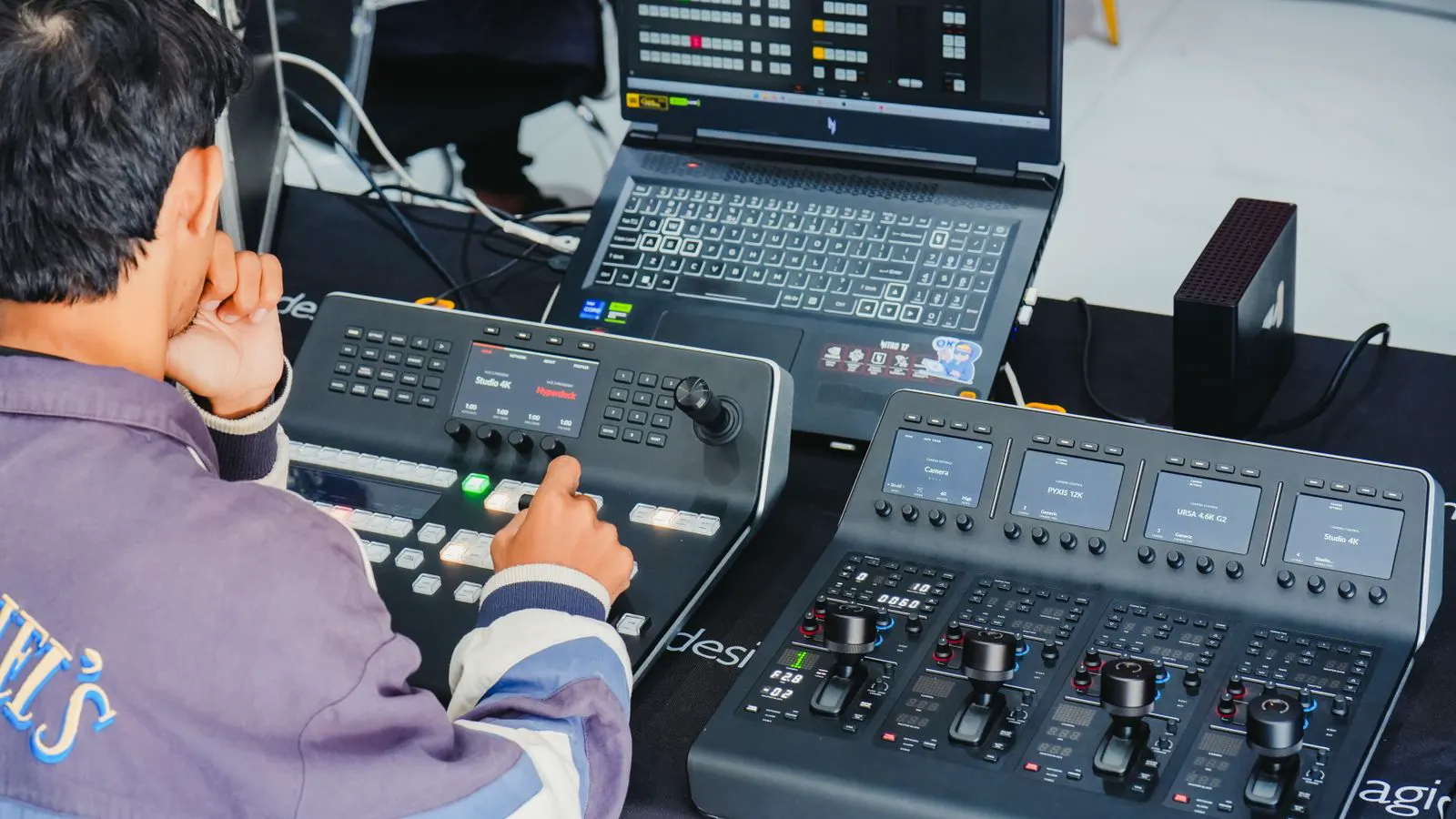
Request documentation on control interfaces. Operators need clear displays for monitoring. The system should log batch data for traceability. Exportable records support quality audits. Data should be stored in a format that is easily accessible for review. A simple text file is often sufficient, but database integration is common in larger plants.
Integration with the plant’s SCADA system improves coordination. Data flows to central monitoring. Alarms alert operators to deviations. This setup reduces human error and downtime. If the temperature rises above the set point, an alarm triggers. The operator can intervene before the product is damaged.
Criteria Table for Mixer Evaluation
The table below lists key criteria for selecting industrial mixing equipment. Use it to compare vendor proposals. Request detailed specifications for each item.
| Criterion | What to look for | Why it matters |
|---|---|---|
| Agitator type | Match blade design to product viscosity | Ensures proper mixing and prevents product damage |
| Motor power | Verify torque at peak load | Prevents underperformance with thick batches |
| Speed range | Confirm adjustable speed settings | Allows optimization for different product stages |
| Material | Specify stainless steel or other food-grade | Ensures hygiene and prevents corrosion |
| Control system | Check sensor integration and logging | Provides consistent output and traceability |
| Cleaning method | Verify CIP and SIP compatibility | Reduces contamination risk and labor time |
Decision Checklist
Use this checklist before finalizing your purchase. Confirm each item with the supplier. Keep records for future reference.
- Define the target product viscosity range.
- Identify the thickest stage of production.
- Select the appropriate agitator design.
- Verify motor power and torque requirements.
- Confirm material specifications for food contact.
- Review hygienic design and cleaning methods.
- Check control system capabilities.
- Request pilot testing with your formulation.
- Review maintenance requirements.
- Document all specifications for the purchase order.
Common Mistakes in Mixer Selection
Buyers often make errors that lead to poor performance. These mistakes waste time and money. Avoid them by following the criteria above.
Specifying only by volume ignores product behavior. A ten-hundred-liter vessel for thin liquid needs different power than one for thick dough. Always evaluate viscosity. The volume alone does not describe the mechanical load. The same volume of water and dough requires vastly different power.
Choosing the highest speed setting damages product. High speed creates too much shear. It generates heat and breaks down texture. Start slow and increase gradually. This approach allows the operator to observe the product’s behavior. If the mixture becomes too hot or separates, reduce the speed immediately.
Ignoring cleaning needs creates hygiene risks. Complex designs trap residue. They require manual scrubbing. This slows production and increases contamination. A design that is hard to clean will lead to manual intervention. Manual cleaning is inconsistent and time-consuming. It also increases the risk of product damage during the cleaning process.
Not validating with pilot testing leaves uncertainty. Manufacturers provide general specifications. Your product may behave differently. Test with actual materials before full-scale purchase. A pilot run reveals issues that are not visible in a specification sheet. It confirms that the equipment works with the specific formulation.
Conclusion
Selecting the right industrial mixing equipment requires understanding product behavior. Viscosity drives agitator design, motor power, and control systems. Procurement managers must evaluate these factors before specifying equipment.
Use the criteria table and decision checklist to guide your evaluation. Request detailed documentation from suppliers. Validate your choice with pilot testing. This approach ensures consistent output and long-term reliability.
Remember that food mixer selection is not a one-time decision. Products evolve. Formulations change. Review your equipment annually. Adjust settings as needed. Keep records for continuous improvement.
Frequently asked questions
How do I determine the viscosity of my product?
Measure viscosity using a rheometer or viscometer. Test the product at multiple temperatures and stages of production. Record the values for equipment selection.
Can I use the same mixer for different products?
Some mixers handle multiple products if the viscosity range is similar. Check the agitator design and motor power for each application. Adjust speed settings to match each product.
What is the difference between CIP and SIP cleaning?
CIP cleans the vessel with water or chemical solutions. SIP sanitizes with steam. Both methods improve hygiene, but SIP is more thorough for final sanitization.
How do I know if my motor is underpowered?
Monitor torque during mixing. If the motor strains or slows down with thick products, it is underpowered. Request torque curves from the supplier.
Can I adjust the speed during mixing?
Yes, use a variable frequency drive to adjust speed. Start slow and increase as the product thins. Monitor torque and temperature to avoid overmixing.