Automated mixing in food processing is shifting toward greater precision, connectivity, and reduced manual intervention. Buyers should plan for predictive maintenance, flexible recipe control, and tighter integration with downstream cooking systems to handle variable inputs and improve throughput.
- Plan for tighter integration between mixers, cookers, and central control systems.
- Expect more emphasis on predictive maintenance and real-time process monitoring.
- Flexible recipe handling will be a key requirement for multi-product plants.
- Seals, drives, and load monitoring will matter more as automation increases.
- Validate any new mixing technology with small batches before full rollout.
Automated mixing is moving beyond simple motorized agitation. Plants are rethinking how mixers fit into broader food processing automation lines, especially where consistency, hygiene, and throughput matter. The result is a sharper focus on control, data, and maintenance readiness.
What this means is that a mixer is no longer just a vessel with a motor. It is a control node. Buyers are increasingly evaluating how the equipment communicates with upstream feeders, downstream cookers, and plant-level dashboards. This shift changes what to expect in 2027 and how to prepare.
How control systems will shape mixing decisions
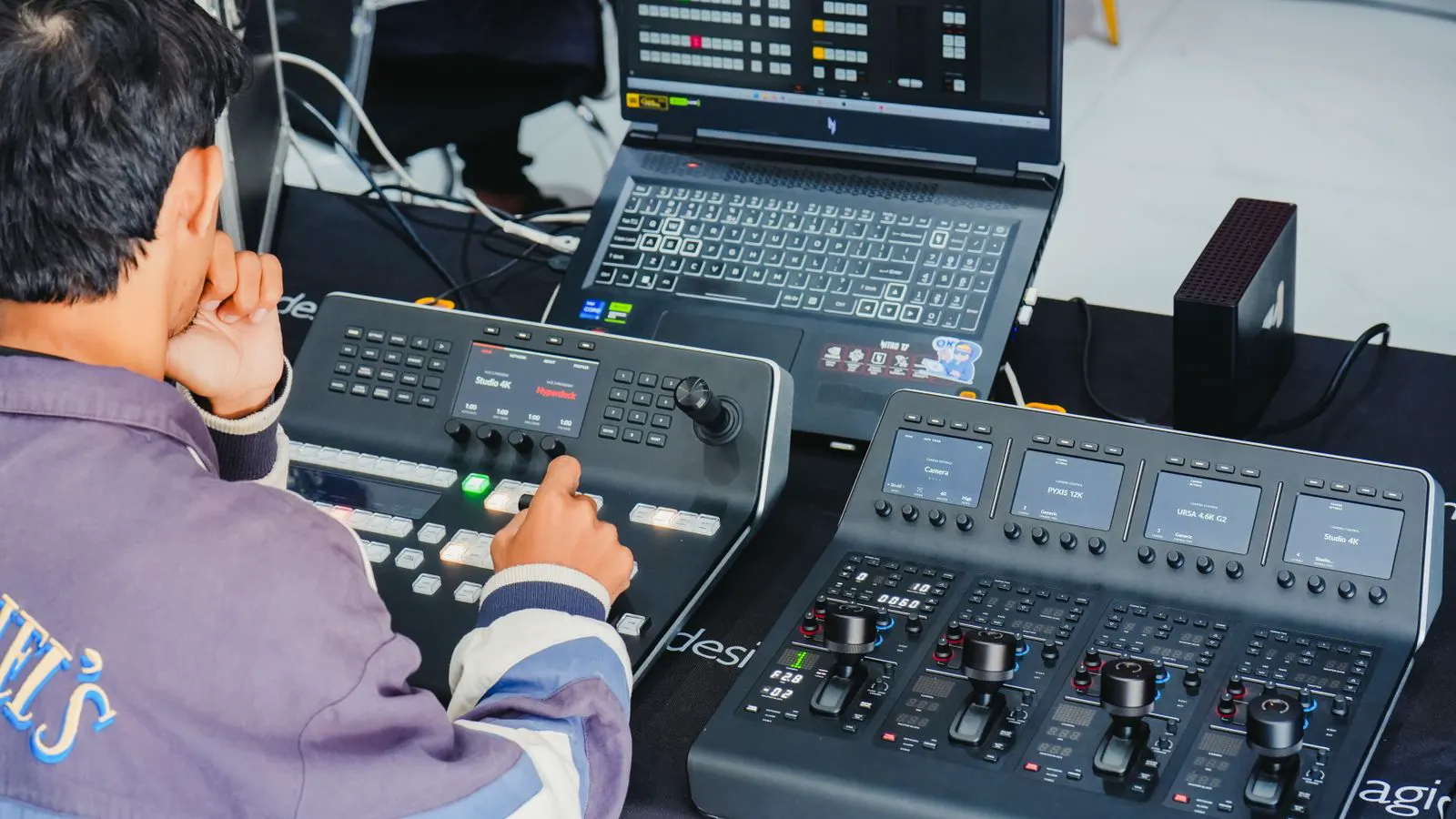
The biggest change is in control. Traditional mixers rely on operator judgment for timing, speed, and endpoint. Modern automated mixing systems use sensors, PLCs, and recipe memory to manage those variables more tightly.
Expect more emphasis on:
- Speed control that responds to viscosity changes
- Time-based and sensor-based endpoints
- Recipe storage and recall with changeover logging
- Interlocks that stop the mixer if a seal or door fault is detected
For multi-product facilities, this matters. A plant switching between a thick sauce, a thin batter, and a semi-solid dough needs repeatable settings. Recipe memory reduces variability. It also makes troubleshooting easier when a batch does not perform as expected.
A practical step is to review existing control hardware before upgrading. Some older mixers can be improved with better sensors and updated PLC logic. Others need a full controller replacement. The cost difference is significant, so the decision depends on the age of the drive, the availability of spare parts, and how much recipe variability the plant can tolerate.
What changes in mixing technology trends for thermal lines
Mixing and cooking are closely linked. A mixer that underdevelops a product can cause uneven heating in a cooker. A mixer that over-shears a delicate product can change texture and yield. As mixing technology trends evolve, the connection between the two becomes harder to ignore.
Buyers should watch for:
- Better shear control for sensitive products
- Improved heat transfer in jacketed or steam-cooked mixers
- Closer coordination with cooker vessels
- More precise control of final temperature and viscosity
This is especially visible in batch lines. If the mixer and cooker are controlled separately, small errors can compound. If they are part of a single sequence, the system can adjust one step based on performance in the other.
A common mistake is buying a mixer with advanced features but leaving the cooker on a basic timer. The plant then gets the benefit of tighter mixing but not the benefit of tighter cooking. The return on the mixing upgrade is reduced.
Maintenance and failure prediction
Automated mixing puts more pressure on mechanical parts. A mixer that runs longer cycles and more frequently will show wear faster. The parts that matter most are seals, bearings, drive systems, and agitator components.
Food mixer seals are a frequent failure point. When they leak or wear, the problem is not just contamination. It can change the internal pressure, affect mixing uniformity, and increase downtime. As automation increases, the cost of an unplanned seal failure rises because the whole sequence can stop.
Expect more attention to:
- Seal replacement intervals tied to cycle count
- Vibration and temperature monitoring on drives
- Lubrication logs and condition checks
- Predictive alerts for abnormal load or speed
A simple but effective practice is to track seal life by product type and batch count. A seal that lasts through one product may fail much sooner in another. The data helps set replacement windows and reduces the chance of a leak during a critical run.
Recipe flexibility and changeover
One of the strongest drivers of food processing automation is the need to run multiple products without long changeovers. Mixers are central to that. If changeover is slow or inconsistent, the whole line slows down.
In 2027, buyers should expect more emphasis on:
- Quick-clean design features
- Modular agitator options
- Recipe presets that adjust speed, time, and temperature
- Sanitation cycles that are tracked and verified
A plant running three sauces and two batters needs a mixer that can switch quickly. The agitator type may change. The speed profile may change. The wash cycle may change. If the system requires manual adjustments and long cleaning, the automation benefit shrinks.
A good test is to walk a changeover. Time each step. Identify where the operator has to guess. Then evaluate whether a control upgrade or a physical change can reduce that guesswork.
What to expect in equipment specifications
Specifications will become more specific. Generic descriptions will not be enough. Buyers should expect to see clearer details about:
- Control resolution and sensor types
- Load monitoring and overload protection
- Recipe storage capacity
- Communication interfaces
- Seals, materials, and cleanability
- Energy use per cycle
A table like this helps compare options:
| Feature | What to Check | Why It Matters |
|---|---|---|
| Control system | Type of PLC, sensor inputs, recipe memory | Determines repeatability and changeover speed |
| Drive | Motor size, speed range, load monitoring | Affects shear control and failure risk |
| Agitator | Material, geometry, replaceability | Changes mixing behavior for different products |
| Seals | Type, replacement access, cycle rating | Impacts hygiene and downtime |
| Communication | Protocol, integration options | Enables coordination with cookers and MES |
| Cleaning | Design, access points, cycle time | Affects changeover and sanitation quality |
The table is not a checklist. It is a starting point. The real question is whether the equipment can hold performance across the products the plant actually runs.
How to prepare your plant
The best preparation starts with a clear view of current performance. If a plant does not know how its mixer performs today, it cannot plan a better one.
A practical approach:
- List the products run on each mixer.
- Record the main quality risks for each product.
- Identify where changeover or cleaning takes the most time.
- Check how often seals, bearings, and drives fail.
- Review whether the cooker and mixer are controlled as one sequence.
- Define what a successful upgrade should change.
This last step is critical. A buyer who says “we want better mixing” is not ready to buy. A buyer who says “we need repeatable sauce viscosity and faster changeover between two products” is ready to compare options.
The plan should also account for operator training. A more automated system does not remove the operator. It changes the operator. The person who used to watch a batch now monitors alerts, confirms endpoints, and responds to deviations. That requires clear procedures and a training plan.
A realistic outlook
The direction is clear. Automated mixing will become more connected, more data-driven, and more tightly integrated with cooking. The technology will continue to improve, but the biggest gains will come from how well the plant uses the data and how well the equipment is maintained.
Buyers should not chase every new feature. They should focus on the problems that actually limit throughput, quality, or cost. If those problems are addressed, the rest follows.
If a plant is still running basic mixers with manual endpoints, the first upgrade is control. If the plant already has good control but frequent seal or drive failures, the first upgrade is maintenance readiness. If the plant runs many products with long changeovers, the first upgrade is flexibility.
The path is not one-size-fits-all. It depends on the line, the products, and the current state of the equipment. What matters is making the next step practical and measurable.
Frequently asked questions
What is the biggest change in automated mixing?
The biggest change is tighter integration between mixing, cooking, and central control. Mixers are becoming control nodes, not just mechanical vessels.
Do I need to replace my mixer to benefit from automation?
Not always. Some older mixers can be improved with better sensors, updated PLC logic, and better recipe management. The decision depends on age, condition, and required flexibility.
How does automated mixing affect maintenance?
It increases the importance of predictive maintenance. Seals, drives, and bearings need closer monitoring because unplanned failures can stop an entire sequence.
What should I check first before upgrading a mixer?
Check recipe consistency, changeover time, seal and drive failure history, and how the mixer coordinates with the cooker. These areas usually show the biggest opportunity.
How do I know if a mixer is suitable for multiple products?
Look at agitator options, recipe memory, cleaning access, and speed control range. A good multi-product mixer should allow fast changeover without large manual adjustments.