Hygienic Design
How to Design Hygienic Vessels for Easy Access
Hygienic vessel design relies on minimizing dead space, positioning access points for full reach, and choosing materials that support aggressive cleaning. Proper design
Learn design principles, materials, and cleaning requirements that reduce contamination risk and support food safety compliance.
Hygienic vessel design relies on minimizing dead space, positioning access points for full reach, and choosing materials that support aggressive cleaning. Proper design
CIP spray ball failure usually stems from blocked orifices, poor flow control, or mechanical wear. This guide lists common symptoms, probable causes, and practical fixes
CIP gasket material selection depends on chemical resistance, temperature, and mechanical strength. The right food-grade gaskets and hygienic seals prevent leaks during

Automated sanitation in food processing is moving toward predictive cycles, self-contained CIP, and tighter material controls. Buyers should prepare by standardizing

Dead space refers to areas in food processing equipment where product, water, or cleaning agents cannot circulate freely. It creates zones where bacteria can grow and

Clogged CIP lines block chemical flow and compromise sanitation. This guide lists common symptoms, likely causes, and direct fixes for high-viscosity lines, then offers
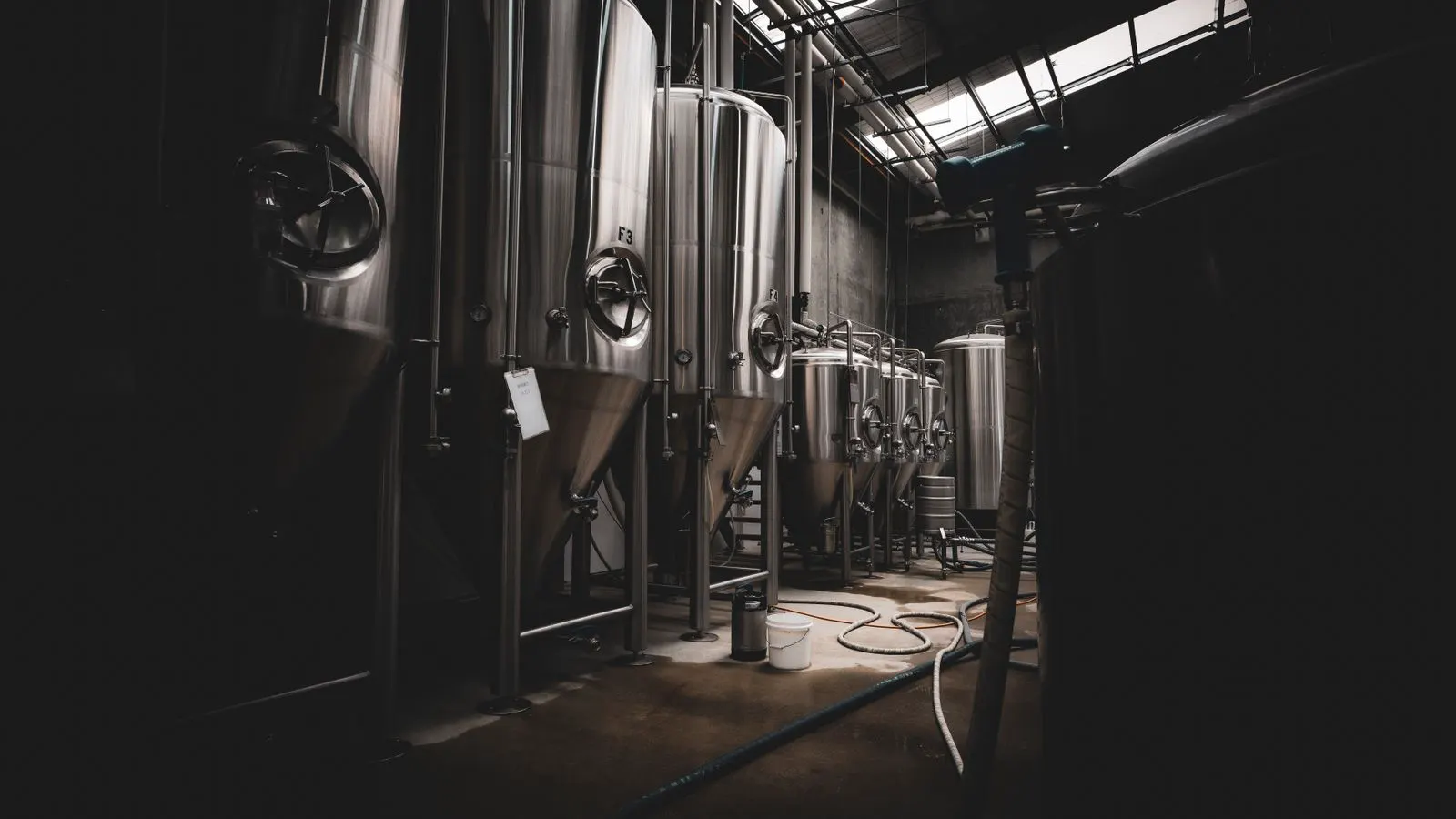
Evaluate CIP systems by checking tank geometry, pump capacity, chemical compatibility, and automation. Prioritize parts that reduce dead zones and match your line's
This guide provides a practical inspection method for verifying food-grade materials and surface finish on contact parts. It helps buyers confirm hygienic design
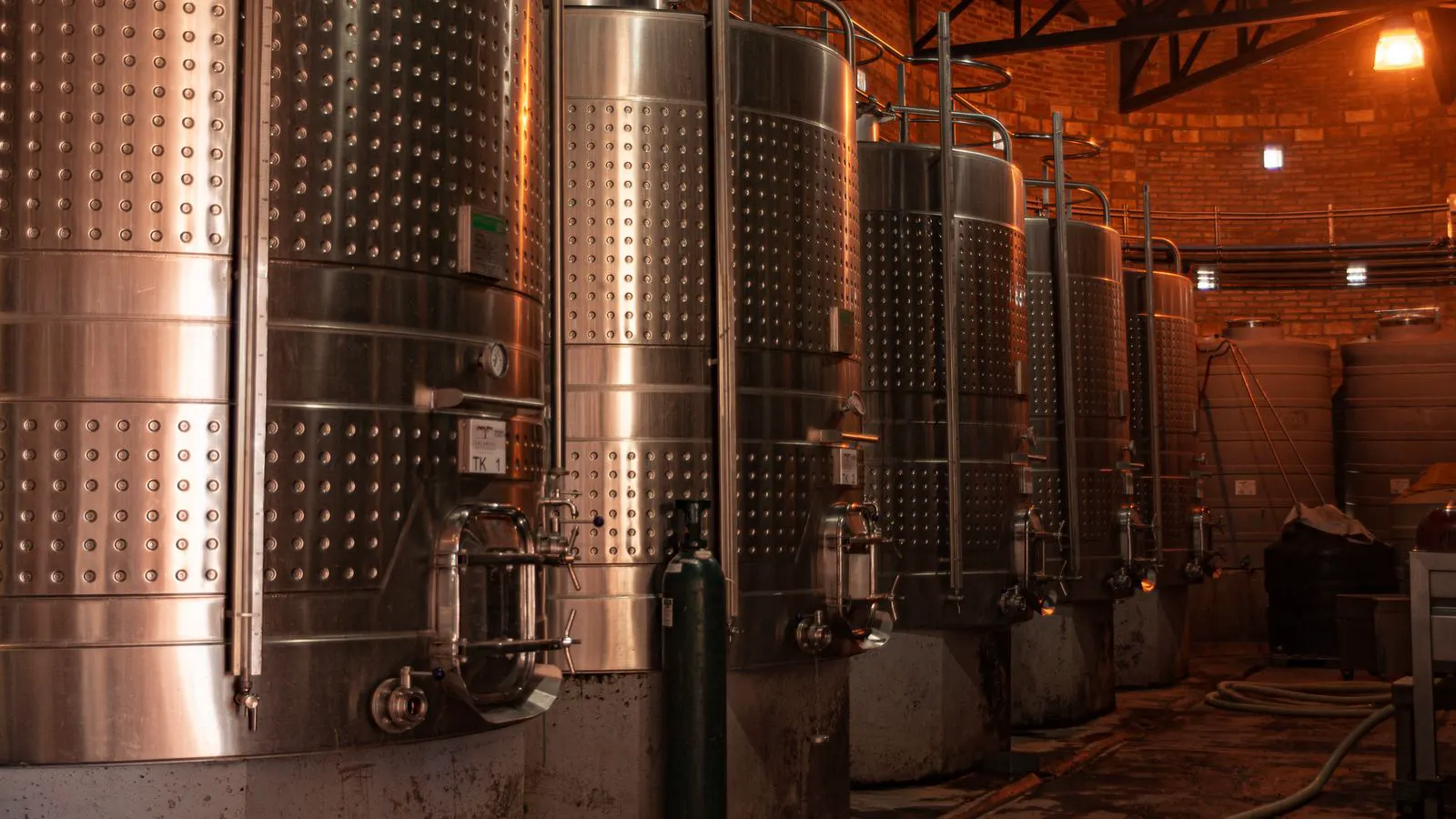
Reduce production losses during hygiene cycles by scheduling cleaning in place between batch changes, using automatic valve sequences, and verifying sanitation with ATP
Surface finish requirements dictate contamination risk and cleanability. This checklist covers Ra measurements, edge radii, weld types, and material verification needed
Minimizing dead legs requires careful layout, proper sizing, and attention to valves and fittings. This guide covers design choices that eliminate stagnant zones and
Food grade material selection for contact surfaces depends on corrosion resistance, surface smoothness, and chemical compatibility. Evaluate stainless steel, polymers