Evaluate CIP systems by checking tank geometry, pump capacity, chemical compatibility, and automation. Prioritize parts that reduce dead zones and match your line's sanitation frequency. Use the decision checklist to compare supplier bids before signing a purchase order.
- Match tank shape and piping to your line's layout to reduce dead zones and improve chemical flow.
- Verify that pumps, valves, and nozzles are rated for the temperature, pressure, and chemicals you use.
- Check automation and control options, because manual operation slows sanitation cycles and increases risk.
- Compare supplier bids on service, spare parts, and retrofit compatibility, not just the upfront price.
What Makes a CIP System Worth Buying
A cleaning in place system replaces the need to tear down equipment for manual cleaning. It circulates water, detergent, and sanitizer through the line while the product contact surfaces stay sealed. The goal is simple: reach every crevice, remove residue, and leave the line ready for the next batch.
When comparing supplier options, the first step is to define the job. A filling line, a pasteurization loop, and a mixing tank all have different sanitation needs. The system must clean the product contact surfaces without damaging seals or gaskets. It also has to handle the chemicals and temperatures your plant uses.
A poorly sized CIP system wastes time and chemicals. A well-sized one shortens changeovers and reduces the risk of contamination. The buyer’s job is to ask the right questions before opening the quotes.
How to Size the System to Your Plant
Start with the volume of the wetted areas. The system must move enough fluid to reach every part of the line. If the line has long pipes, small nozzles, or hidden corners, the flow rate needs to be higher. If the system is too small, chemical concentration drops and cleaning time stretches.
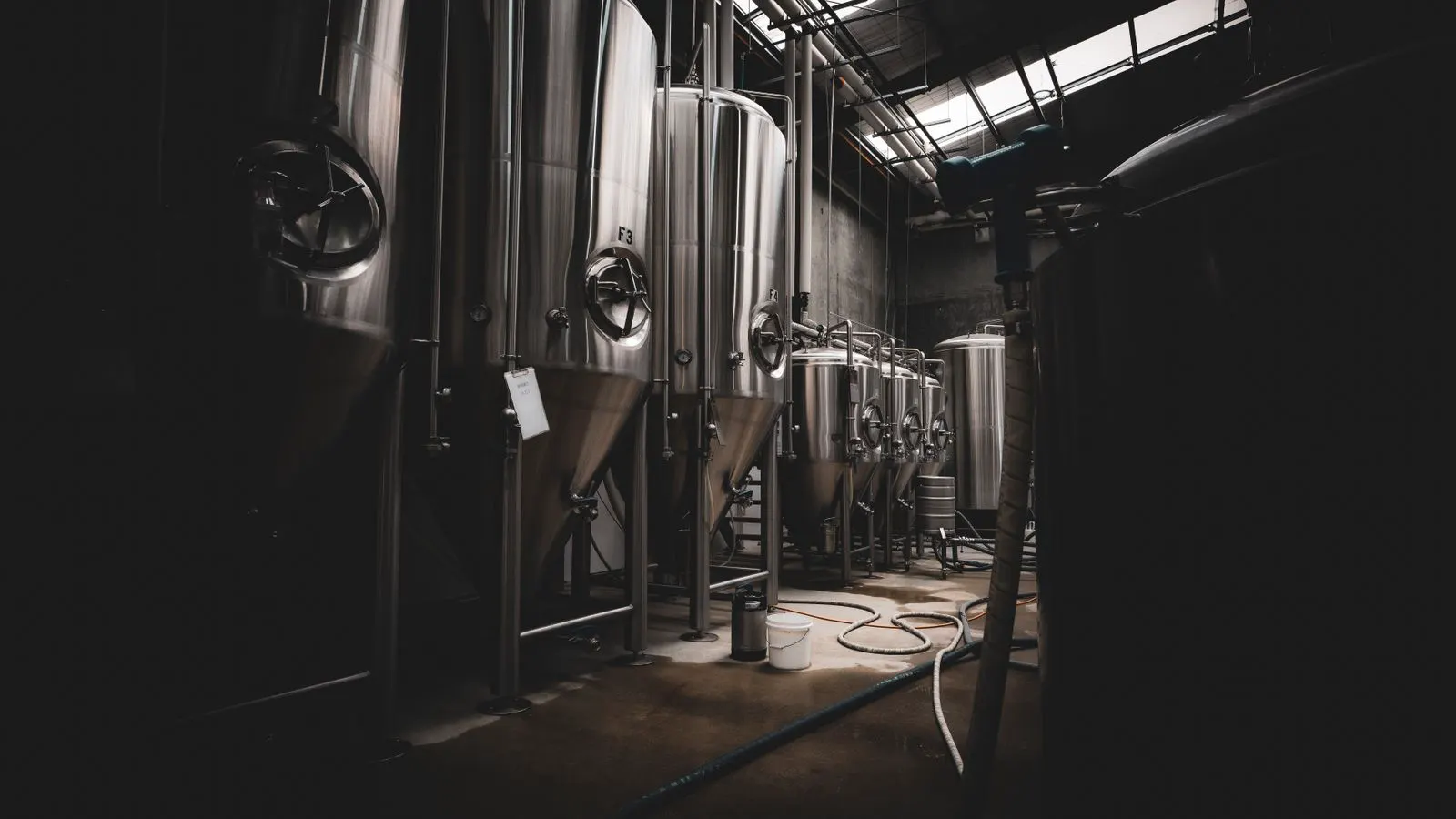
Next, check the geometry. Tanks with flat bottoms and sharp corners trap residue. Conical or sloped bottoms drain better. Piping should avoid dead legs and unnecessary elbows. Every bend or branch adds a spot where liquid can sit.
The supplier should provide a hydraulic calculation or a flow diagram. Ask for the expected pressure drop, residence time, and nozzle coverage. If the quote only lists tank size and pump horsepower, ask for more detail. A clear hydraulic plan shows that the supplier understands your line.
What to Look for in Stainless Steel Components
Stainless steel is the standard for food contact surfaces, but not every alloy works for every process. The steel must resist corrosion from hot water, acidic cleaning agents, and sanitizer. The finish should match your surface finish requirements.
Check the welds. A smooth, ground weld is easier to clean than a rough, bead-like one. Porosity in the weld is a problem. It holds bacteria and makes visual inspection difficult. Ask the supplier to confirm the weld quality and provide test results where possible.
Look at the gaskets and seals. They must be compatible with the chemicals you use. A cheap seal may fail after a few months of hot detergent cycles. Ask for the material of every contact part, not just the visible tank.
How Automation Affects Sanitation and Cost
Automation reduces labor and makes sanitation more repeatable. A manual CIP cycle depends on the operator to follow the steps in the right order and for the right time. Automation removes that variable.
A typical automated system includes a programmable logic controller or a dedicated CIP controller. It manages the sequence: pre-rinse, detergent, rinse, sanitizer, final rinse. It also handles interlocks, such as closing valves before pressure is applied.
Ask about the control options. A system that can log cycles, store recipes, and alarm on faults is easier to audit. If your plant uses a central sanitation network, check that the CIP system can talk to the building management system.
Automation adds cost. It also reduces downtime. If your line changes products often, the time saved on sanitation can offset the higher equipment cost. If the line runs the same product for weeks, a simpler manual system may be enough.
How to Compare Supplier Quotes
Do not compare quotes by price alone. A lower price may hide a system that is hard to maintain. Ask each supplier to break down the cost by component: tank, pumps, valves, nozzles, control panel, and installation.
Check the service terms. Who handles the first service visit? What is the response time for a failed pump or a control fault? Are spare parts stocked locally or shipped from abroad? A long lead time for a spare part can stop your line.
Ask about retrofit options. If your line changes, can the CIP system be extended? Can nozzles be added to new sections? A fixed installation may not fit your future plans.
Request references from plants with similar lines. Ask what worked and what failed. A supplier that provides a list of similar installations shows that it has done this work before.
Criteria Table for Evaluating CIP Systems
| Criterion | What to look for | Why it matters |
|---|---|---|
| Tank Geometry | Sloped or conical bottom, no dead zones | Improves drainage and reduces residue |
| Pump Capacity | Sized for total wetted volume and pressure drop | Ensures chemical reaches every surface |
| Material Compatibility | Stainless steel grade and seal material | Prevents corrosion and contamination |
| Control System | Automated sequence, logging, alarms | Makes sanitation repeatable and auditable |
| Service Terms | Response time, spare parts, installation support | Reduces downtime and long-term cost |
| Retrofit Flexibility | Ability to add nozzles or extend the line | Adapts to future line changes |
Decision Checklist
- Define the sanitation frequency. How often must the line be cleaned? This sets the size of the CIP system and the automation level.
- Map the wetted volume. List every tank, pipe, valve, and nozzle that touches product or cleaning fluid.
- Check the geometry. Look for dead zones, sharp corners, and long pipes that trap residue.
- Verify material compatibility. Confirm the stainless steel grade and seal materials for your chemicals.
- Review the hydraulic plan. Ask for flow rates, pressure drops, and nozzle coverage.
- Compare automation options. Decide if a manual or automated system fits your labor and audit needs.
- Ask about service and spares. Get a clear answer on response time and parts availability.
- Request similar references. Speak to plants that use the same type of CIP system.
- Check retrofit plans. Confirm that the system can grow with your line.
- Finalize the purchase order. Include installation, training, and warranty terms.
How to Reduce Downtime During Installation
Installing a CIP system often requires taking the line offline. Plan the work window carefully. A short shutdown is better than a long, uncertain one.
Ask the supplier to provide a commissioning plan. This should include the steps for connection, testing, and the first full cycle. A clear plan reduces the time your team spends guessing.
Test the system with water first. Run a full cycle without chemicals. Check for leaks, flow problems, and control errors. Fix them before the first production cycle.
Train your operators on the normal and fault conditions. They should know how to run a cycle, how to respond to an alarm, and when to call for service. A well-trained team uses the system correctly and keeps it in good condition.
Final Thoughts
A good cleaning in place system is a balance of size, materials, automation, and service. The goal is not to buy the most expensive unit. The goal is to buy the unit that fits your line and your operating model.
Use the checklist to compare suppliers. Ask for the hydraulic plan, the material list, and the service terms. If a quote is vague, ask for more detail. A clear answer shows the supplier understands your needs.
The right system shortens sanitation time, reduces contamination risk, and protects your production schedule. It also makes your plant easier to audit and easier to maintain.
Frequently asked questions
What is the minimum size of a CIP system?
It depends on the wetted volume of your line. A small filling line may need a compact system, while a large processing loop needs a bigger tank and stronger pumps.
Can I use the same CIP system for different products?
Yes, if the system is sized for the largest wetted area and the materials handle all your chemicals. Change the recipe in the control system for each product.
How often should I service the CIP system?
Follow the supplier's maintenance schedule. Check seals, nozzles, and pumps regularly. A small leak or a worn seal can cause bigger problems later.
Do I need a CIP system if I have manual cleaning?
If your line is small and changes products rarely, manual cleaning may be enough. For frequent changeovers or high-volume lines, a CIP system saves time and reduces labor.
What is the biggest mistake buyers make?
Under-sizing the system. A small CIP unit may clean the tank but not the pipes. Always check the total wetted volume and the hydraulic plan.