A thermal processing system uses controlled heat to destroy harmful microorganisms or inactivate enzymes in food products. These systems are critical for extending shelf life and meeting food safety standards. Understanding their components and settings is the first step for buyers evaluating suppliers and verifying equipment performance before purchase.
- Thermal processing systems apply heat to reduce microbial load or inactivate enzymes.
- Key performance variables include temperature, pressure, and exposure time.
- Sourcing decisions depend on verifying system design against specific product and shelf-life requirements.
- Documentation of process parameters is as important as the hardware itself.
- Cross-checking supplier quality control protocols ensures consistent execution of the intended thermal load.
What is a Thermal Processing System?
A thermal processing system is a set of equipment and controls that applies heat to a food product to achieve a specific microbial or enzymatic target. The system is not just a single machine. It is an integrated arrangement that moves product through heating, holding, and cooling zones while maintaining precise parameters.
In industrial food manufacturing, the goal is to make the product safe and stable for storage. Heat destroys vegetative cells of harmful microorganisms and inactivates enzymes that cause spoilage. The specific target varies by product. A low-acid canned vegetable needs a higher thermal load than an acidic fruit sauce. The system must be configured to deliver the required dose without degrading the food quality beyond acceptable limits.
Buyers often confuse a thermal processing system with a single vessel or a heat exchanger. A kettle is a component, not a system. A heat exchanger transfers heat but does not manage the process. The system includes the means to measure, control, and record the actual thermal load delivered to the product. This distinction matters when evaluating suppliers because a quote for a vessel alone does not cover the control logic or the safety interlocks required for a validated process.
How Does Heat Affect Food Safety and Shelf Life?
Heat works on two primary biological mechanisms. First, it destroys microorganisms. Bacteria, yeasts, and molds have different heat sensitivities. Some die quickly at moderate temperatures. Others require higher temperatures or longer exposure times to be eliminated.
Second, heat inactivates enzymes. Enzymes in raw foods continue to break down nutrients, change color, and create off-flavors after the product is harvested. Thermal processing stops these reactions, which is a major factor in shelf life.
The relationship between temperature and time is not linear. A higher temperature can achieve the same microbial reduction in less time. This principle is often described using the concept of a process intensity, or a time at a specific temperature. For example, a process might be defined as a certain number of minutes at a specific temperature. The system must ensure the product reaches and maintains that temperature for the required duration.
Pressure plays a role in low-acid products. Water boils at 100 degrees Celsius at atmospheric pressure. To process low-acid foods at higher temperatures, the system must operate under pressure to raise the boiling point. This requires pressurized vessels, such as pressure autoclaves or continuous pressure canning lines. The pressure gauge and the temperature sensor must work together to confirm the process is running as designed.
Key Components of a Thermal Processing System
A complete system typically includes several core components.
- Heating Vessel or Chamber: This is the main enclosure where the product is heated. It may be a batch autoclave, a continuous flow reactor, or a retort. The material of construction, usually stainless steel, must resist corrosion from the product and the cleaning agents used.
- Control System: The control system regulates heating, pressure, and timing. Modern systems use programmable logic controllers or dedicated process controllers. They manage multiple zones and ensure the sequence of operations is followed.
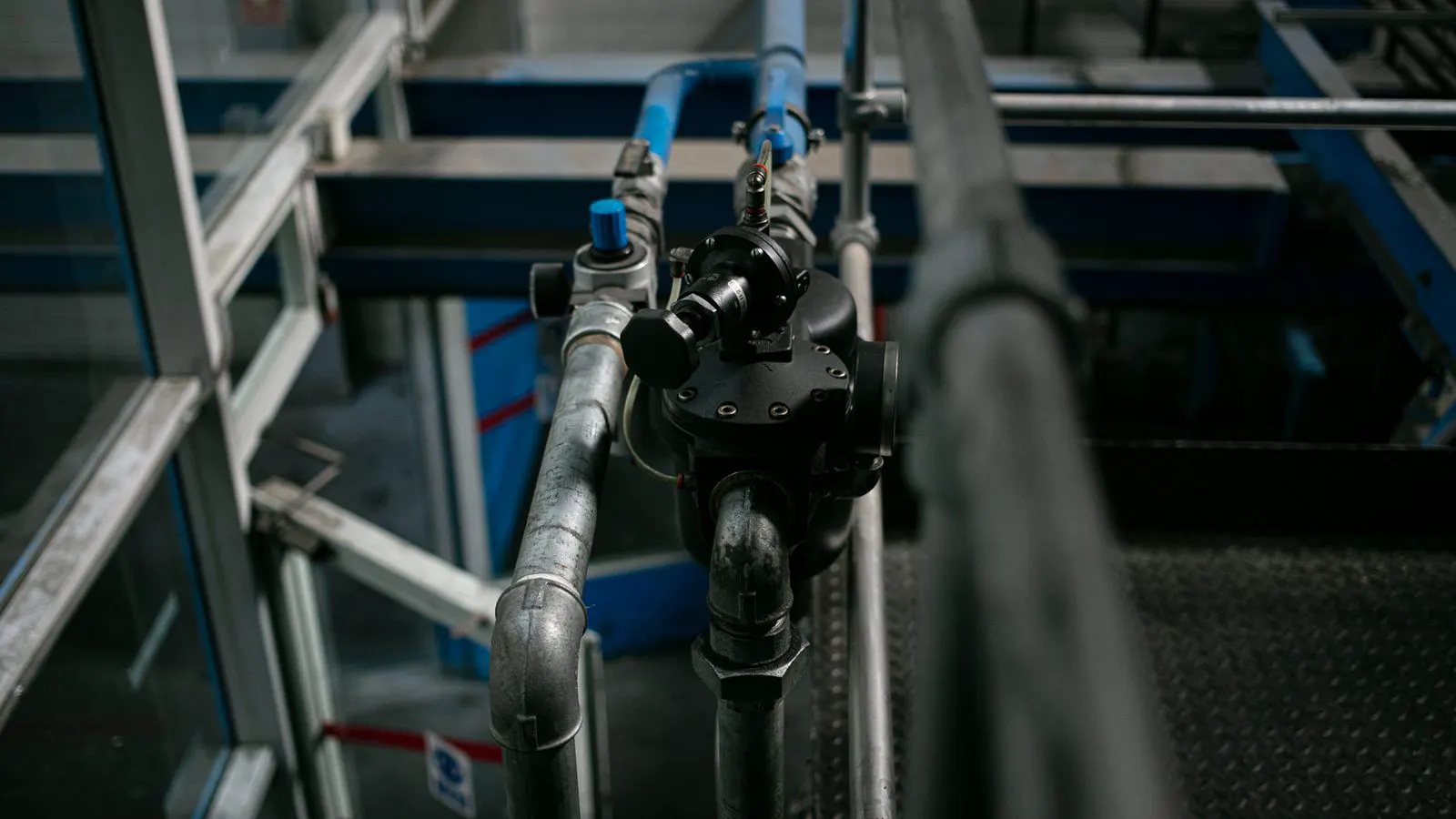
- Sensors and Gauges: Temperature sensors, pressure gauges, and flow meters provide real-time data. The accuracy of these sensors is critical. If a temperature sensor reads low, the system may under-process the food. If it reads high, the product may be over-processed, leading to texture loss or flavor degradation.
- Cooling System: After the heating phase, the product must be cooled to a safe storage temperature. This phase is often as important as the heating phase. Rapid cooling prevents the growth of thermophilic bacteria that survive the initial heating.
- Safety Interlocks: These are mechanical or electronic devices that stop the process if conditions are unsafe. For example, a pressure relief valve prevents the vessel from over-pressurizing. A temperature sensor failure might trigger a safe stop.
How Do Thermal Processing Systems Differ by Product Type?
Different foods require different thermal loads. A buyer must specify the system based on the product’s pH, viscosity, and packaging.
| Product Type | Typical pH Range | Process Temperature Range | Key Consideration |
|---|---|---|---|
| High-Acid Fruits | Below 4.6 | 90-100 degrees C | Lower thermal load required |
| Low-Acid Vegetables | Above 4.6 | 120-121 degrees C | Requires pressure vessel |
| Dairy Products | 6.5-7.0 | 72-85 degrees C | Short holding time to preserve texture |
| Meat Products | 5.0-6.0 | 85-95 degrees C | Balancing safety and protein quality |
High-acid foods are easier to process because the acidic environment inhibits the growth of Clostridium botulinum, the spore-forming bacterium responsible for botulism. For these products, a water bath canner or a retort operating at atmospheric pressure or slightly above may be sufficient.
Low-acid foods, such as vegetables, meats, and fish, require a much higher thermal load. They must be processed in a pressurized system to reach temperatures above 100 degrees Celsius. The pressure required depends on the target temperature. The vessel design, the pressure relief mechanisms, and the control logic must all be rated for these higher conditions.
Dairy products present a different challenge. The goal is often pasteurization rather than sterilization. The process is designed to kill pathogens like Salmonella and Listeria while preserving the taste and texture of the milk. Over-processing dairy leads to a cooked, flat flavor and changes in protein structure. The system must be precise, with tight control over temperature and time.
What Are the Sourcing Decisions Buyers Must Make?
When sourcing a thermal processing system, buyers face several critical decisions.
Batch vs. Continuous Processing: Batch systems process a fixed quantity at a time. They offer flexibility and are easier to clean. Continuous systems process product in a flow. They offer higher throughput and more consistent process control because the product moves through defined zones at a constant rate. The choice depends on volume, product mix, and facility space.
Vessel Material and Design: The material must be compatible with the product. Stainless steel is the standard for most food applications due to its corrosion resistance and ease of cleaning. However, for highly corrosive or acidic products, specific alloy grades or lined vessels may be required. The design of the vessel, including the shape of the interior and the placement of heating elements, affects heat transfer efficiency.
Control Precision: The control system must be precise enough to maintain the process parameters. For low-acid foods, a deviation of a few degrees Celsius or seconds of exposure time can significantly affect the safety margin. Buyers should ask about the resolution of the sensors and the speed of the control loop.
Documentation and Traceability: A thermal processing system is a regulated process in many jurisdictions. The system must generate records that prove the process was carried out correctly. This includes start and stop times, temperature profiles, pressure readings, and any deviations. The level of digital recording and the ability to export data for audits are important sourcing criteria.
How to Verify Supplier Capability Before Purchase
Sourcing a thermal processing system is not just about buying hardware. It is about verifying that the supplier can design, install, and support a system that meets your specific food safety requirements.
- Define the Process Parameters: Before contacting suppliers, you must know your target temperature, time, and pressure. If you do not, the supplier’s quote will be generic. Work with your food safety team to define these parameters based on the product and the desired shelf life.
- Request a Process Validation Plan: A capable supplier should provide a plan for how they will validate the system. This plan should include test runs, data collection, and the method for calculating the thermal load. Ask how they will demonstrate that the system achieves the required lethality.
- Review the Control Logic: Ask for a description of the control logic. How does the system handle a sensor failure? What happens if the pressure drops during the heating phase? A robust system will have interlocks that prevent unsafe operation.
- Check the Quality Control Protocols: Ask how the supplier tests the system before installation. Do they perform pressure tests? Do they verify sensor accuracy? Do they run a pilot batch with a test medium? Reviewing their quality control protocols is a direct way to assess the reliability of their installation work.
- Evaluate Support and Maintenance: Thermal processing systems require regular maintenance. Ask about the availability of spare parts, the training provided to your staff, and the response time for technical support. A system that stops production for days due to a lack of parts is a major operational risk.
Common Mistakes in Thermal Processing System Sourcing
Buyers often make errors that lead to under-processed food or poor product quality.
Specifying Hardware Without Process Data: Buying a vessel without defining the process parameters is a common mistake. The vessel is only useful if it can deliver the required thermal load. Without specific process data, the supplier cannot size the equipment correctly.
Ignoring the Cooling Phase: Many buyers focus on the heating phase and neglect the cooling system. If the product cools too slowly, it enters the temperature range where bacteria can grow rapidly. A robust thermal processing system includes a well-designed cooling zone.
Underestimating the Control System: The control system is the brain of the thermal processing system. A cheap controller with low-resolution sensors will not maintain the tight tolerances required for safety-critical processes. Do not cut costs on the control system.
Lack of Documentation: If the system does not automatically record the process parameters, your team must rely on manual logging. This introduces human error and makes audits difficult. Ensure the system has digital data logging that meets your internal and regulatory requirements.
Assuming Standard Design Works for All Products: A system designed for one product type may not work for another. Viscosity, heat capacity, and packaging material all affect heat transfer. A supplier that offers a standard design without customization may not be able to meet the specific requirements of your product.
Final Thoughts for Buyers
A thermal processing system is a critical piece of food safety technology. It is the bridge between raw ingredients and a stable, shelf-stable product. The buyer’s role is to define the process requirements clearly and to verify that the supplier’s system can deliver those requirements consistently.
Focus on the process, not just the machine. Ask for validation plans, review control logic, and verify quality control protocols. The cost of a well-designed system is an investment in product safety and quality. The cost of an under-designed system is recalls, wasted product, and damage to your brand.
When you are ready to move forward, use a pre-purchase verification checklist to confirm that all system components and process parameters are aligned. This step ensures that the equipment you source will perform as intended on the production floor.
Frequently asked questions
What is the main purpose of a thermal processing system?
The main purpose is to use heat to destroy harmful microorganisms and inactivate enzymes, which extends the shelf life of the food product.
How is thermal processing different from pasteurization?
Thermal processing is a broad term that includes both pasteurization and sterilization. Pasteurization aims to reduce pathogens to safe levels, while sterilization aims to eliminate all microbial life for long-term shelf stability.
What are the key parameters to monitor during thermal processing?
The key parameters are temperature, pressure, and time. These must be controlled precisely to ensure the food is safe and the quality is maintained.
Do I need a pressure vessel for all thermal processing?
No. High-acid foods can often be processed at atmospheric pressure. Low-acid foods, such as vegetables and meats, require pressurized vessels to reach the higher temperatures needed for safety.
How do I know if a supplier is capable of designing the right system?
Look for suppliers who provide process validation plans and detailed control logic documentation. They should be able to explain how they will verify that the system meets your specific safety and quality requirements.