Before signing a canning line contract, verify seal integrity, steam sterilization capacity, and vendor QC protocols. This checklist provides specific items for equipment inspection and vendor due diligence to prevent costly delays and quality failures.
- Verify seal integrity under load and thermal shock before finalizing the purchase.
- Confirm steam boiler capacity matches peak production rates with a 15 percent safety margin.
- Review third-party inspection reports to validate the vendor's quality control protocols.
- Check electrical load requirements and utility connections to avoid retrofit costs.
A canning line purchase is a long-term capital commitment. Errors in supplier selection or equipment verification often surface months after installation, when production targets are already under pressure. The cost of a failed seal or an undersized steam boiler is rarely limited to the repair bill. Downtime, rejected batches, and rework can exceed the initial equipment price.
Before signing a contract, run a structured verification process. This checklist covers the physical equipment, process parameters, and vendor capabilities that determine whether the line will perform as specified.
Verify Seal Integrity and Can Filling Accuracy
The seal is the single point of failure in a canned product. A weak seal allows microbial entry and causes shelf-life failure. Do not rely on the vendor’s sample output alone. Request a test run with your actual product formulation, or a close substitute with similar viscosity and acidity.
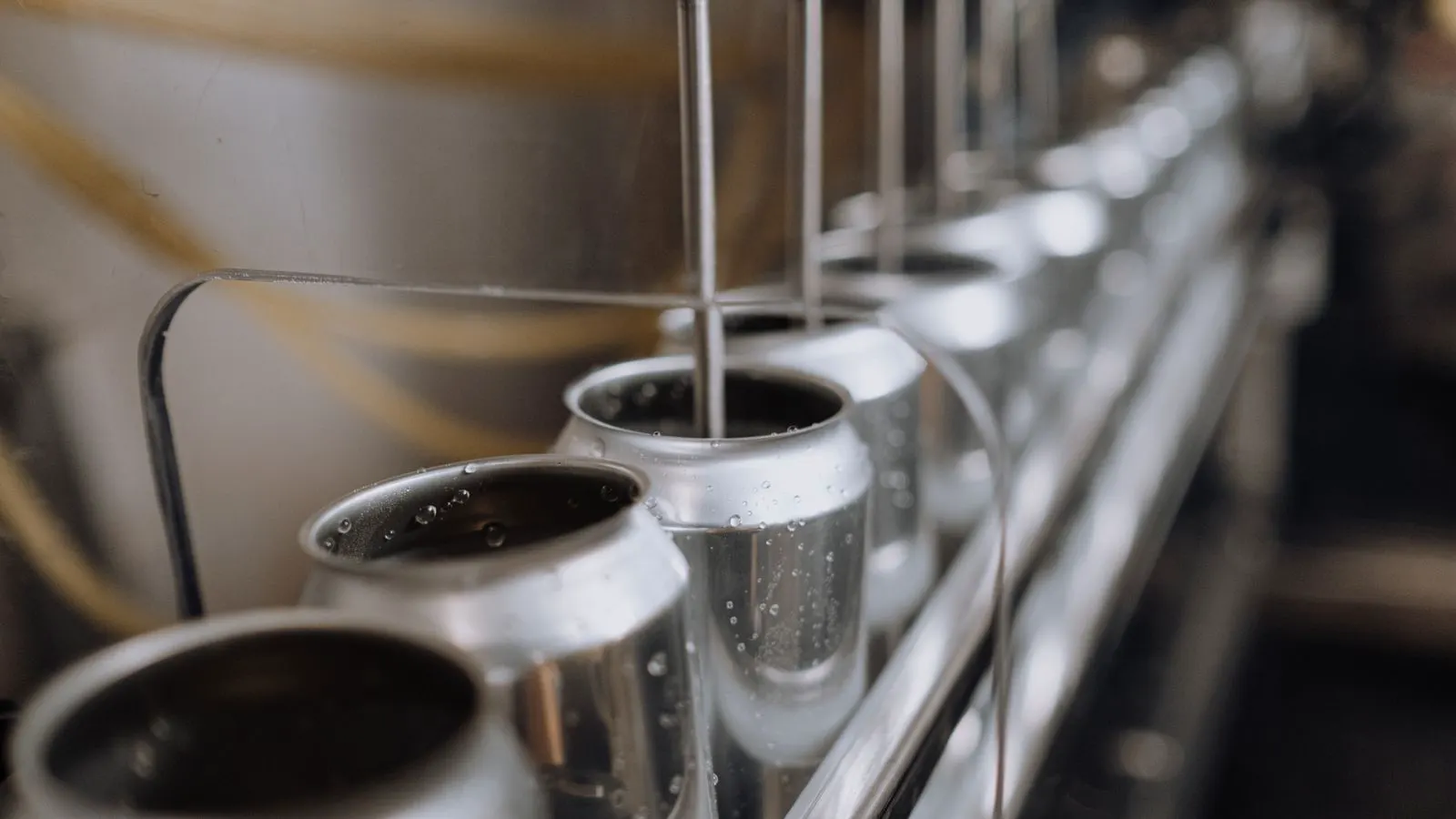
Inspect the canning machine’s sealing heads. Check the condition of the sealing rings or rollers. Worn components leave visible marks on the can rim. Run a full rotation test at your target speed. Measure seal torque or pressure at multiple points around the can circumference. Variance beyond acceptable tolerance indicates uneven sealing.
Check the filling valve. Inconsistent fill levels cause headspace variation. Headspace that is too large leads to poor vacuum. Headspace that is too small creates pressure during sealing. Verify that the filling valve adjusts accurately and holds level across different can sizes.
| Check Item | Acceptable Condition | Red Flag |
|---|---|---|
| Seal Torque | Consistent across can circumference | Variance beyond manufacturer tolerance |
| Filling Accuracy | Within plus or minus 2 percent of target | Visible drip or underfill |
| Headspace | Consistent across all cans | Large void or liquid at rim |
| Seal Mark | Uniform line around rim | Dents, gaps, or broken line |
Confirm Steam Sterilization Capacity
The sterilization step is where the line must match your production profile. A line that works at half speed but fails at full capacity is a common vendor oversight. Verify that the steam boiler or steam generator can maintain the required saturation temperature throughout the process.
Check the steam pressure gauge and regulator. The boiler must hold pressure without significant fluctuation. If the pressure drops below the set point when the line accelerates, the sterilization time extends. Extended time degrades product texture and flavor.
Review the heat exchange surface area. For steam sterilization, the steam must contact the can exterior evenly. Uneven steam distribution creates cold spots. Cold spots are the most common cause of botulism risk in commercial canning. Ask the vendor for a flow diagram showing steam routing. Verify that the system accounts for your maximum can height and diameter.
Audit Vendor Quality Control Protocols
Equipment inspection is only half of the process. Vendor due diligence determines how the line performs after installation. Request the vendor’s quality control documentation. Look for records of incoming material inspection, machine testing, and final assembly checks.
Ask about the vendor’s failure rate on similar lines. If they refuse to share aggregate data, treat that as a red flag. A reputable supplier can provide general performance metrics without revealing client names. Check their warranty terms. Short warranty periods or complex exclusion clauses signal low confidence in the equipment.
Review their support structure. Identify who responds to urgent breakdowns. A local service team or a fast response protocol matters more than a distant headquarters office. Verify that spare parts are stocked locally or available within a short lead time. Long part delivery times turn minor issues into full line shutdowns.
Check Electrical and Utility Requirements
Canning lines draw significant power. Mismatched electrical connections cause voltage drops that affect motor performance and control systems. Review the line’s electrical load sheet. Compare it against your plant’s available capacity.
Check the motor sizing. Undersized motors overheat under load. Oversized motors waste energy and increase cost. Verify that the variable frequency drives match the motor specifications. A mismatched drive causes harmonic distortion and premature motor failure.
Inspect the water and steam connections. Canning lines require clean water for filling and steam. Verify that the plant’s water treatment system meets the vendor’s specifications. Hard water scales the steam boiler and fouls the filling valves. If your plant water is not treated to the required standard, budget for a water softener or filtration unit.
Review Installation and Commissioning Scope
The contract must define exactly what the vendor installs and tests. Do not assume that the equipment delivery includes full commissioning. Clarify who is responsible for site preparation, utility connections, and line alignment.
Request a commissioning plan. The plan should include a step-by-step sequence from unpacking to first production run. Verify that the plan includes a 72-hour continuous test run at full speed. A short test run hides latent defects. A full-day test reveals thermal expansion issues and control logic errors.
Check the training scope. The vendor must train your operators and maintenance staff. Request a training schedule that covers daily operation, routine maintenance, and troubleshooting. If the training is limited to a half-day overview, ask for a detailed curriculum. Your staff must understand how to adjust filling levels, monitor seal torque, and respond to steam pressure alarms.
Validate Material Compatibility and Sanitation Design
Canned food lines face aggressive cleaning cycles. Verify that all wetted parts are made of food-grade stainless steel. Check the steel grade. Lower grades may corrode or leach into the product. Ask for material certificates for all wetted components.
Inspect the design for cleanability. Dead legs in piping, crevices around bolts, and inaccessible surfaces trap food residue. Residue becomes a bacterial breeding ground. The line should be designed for easy disassembly and cleaning. Verify that the CIP system, if included, covers all wetted areas.
Check the gasket and seal materials. They must be compatible with the product pH and the sterilization temperature. Some rubber compounds degrade at high temperatures. Ask the vendor for a compatibility chart. If the product is acidic, verify that the gaskets are rated for that specific pH range.
Final Contract and Documentation Review
The final step is a document review. Ensure the contract specifies the exact model numbers, serial ranges, and optional features. Vague descriptions lead to delivery disputes. Verify that all drawings, manuals, and spare parts lists are included in the delivery package.
Check the payment terms. Align payments with delivery and commissioning milestones. Do not pay the full amount before the line passes the test run. A standard practice is to hold a portion of the payment until the 72-hour test run is complete and the product meets acceptance criteria.
Review the penalty clauses. What happens if the line misses the guaranteed production speed? What is the remedy for a defective batch? Clear contractual terms prevent negotiation disputes when performance falls short.
Red Flags That Should Stop the Purchase
Walk away from a supplier if they cannot provide third-party inspection reports. They may claim the equipment is certified, but without independent verification, the claim is unverifiable.
Do not proceed if the vendor refuses to allow a pre-delivery inspection. Legitimate suppliers welcome site visits and pre-shipment checks. Resistance suggests they expect you to sign without seeing the hardware.
If the steam boiler specification is vague, stop. A boiler is a high-pressure vessel. Vague specifications indicate a lack of engineering rigor. Require exact pressure ratings, temperature limits, and safety valve settings.
Finally, verify that the vendor has a documented recall or liability process. If a defect causes a product recall, you need a clear path for compensation and support. A supplier without this process is a high-risk partner.
Frequently asked questions
How long should the commissioning test run be?
A minimum of 72 hours at full speed is standard. This duration reveals thermal expansion issues and control logic errors that short tests miss.
Can I verify seal integrity with a sample run only?
No. Sample runs often run at reduced speeds. You need a full-speed test with your actual product formulation to confirm consistent seal torque and filling accuracy.
What steel grade is acceptable for wetted parts?
Food-grade stainless steel is required. Lower grades may corrode or leach into the product. Request material certificates for all wetted components.
Who is responsible for site preparation?
The contract must define this. Do not assume delivery includes site work. Clarify responsibilities for utility connections, foundation preparation, and line alignment.
How do I verify vendor quality control without seeing their factory?
Request third-party inspection reports and aggregate failure rate data. A reputable supplier will provide general performance metrics without revealing client names.