Matching canning machine selection to your volume prevents bottlenecks. This guide breaks down how to size equipment based on daily output, line speed, and filling rate, helping you avoid overbuying or underperforming lines.
- Match machine speed to your actual daily output, not your maximum possible output.
- Verify filling station speed against the final seal and sterilization stages.
- Check supplier documentation for standard operating procedures and maintenance intervals.
- Align equipment sizing with your facility floor space and utility load.
- Use a decision checklist to confirm the machine fits your specific volume needs.
Start With Your Real Production Target
Canning machine selection begins with a number you can defend. That number is your daily output in cans or jars. Do not base your sizing on the best year or the maximum capacity of a new line. Base it on your current order book and a realistic growth plan. If your target is 50,000 units per day, you need a line that can sustain that pace without pushing components beyond their rated life.
Many buyers make a common mistake here. They look at the highest speed a machine can achieve in a demonstration video and assume they need that speed. The truth is that line speed is determined by the slowest station. If your filler runs at 100 cans per minute but your sealer only handles 60, the line runs at 60. You are paying for speed you never use.
Write down your target volume in units per hour. Then divide by the number of productive hours in a shift. This gives you your required line speed. Keep this number visible during every supplier conversation. If a vendor quotes a machine that is significantly faster than your target, ask why. Faster machines cost more, require larger floor space, and often need more skilled operators.
Consider your product mix. If you run multiple can sizes, the machine must handle the largest size efficiently. A line sized for small cans will struggle with large, heavy items. The filling valve, the seaming head, and the conveyor width all scale with can diameter. Confirm that your supplier can handle your largest container in the same production run.
Understand the Relationship Between Speed and Throughput
Production capacity is not just about how fast a single machine runs. It is about how the whole line flows. In a typical canning line, the filler, the sealer, the inspector, and the sterilizer all have different speed profiles. The filler often runs the fastest because it is the most complex station. The sealer may run slightly slower. The sterilizer is usually a batch process or a continuous tunnel that sets a fixed pace.
When you evaluate a machine, look at the balance between these stations. A line where the filler is much faster than the sealer creates a bottleneck at the seal. Cans pile up. Operators rush. Quality suffers. You get inconsistent seal integrity, which leads to rejected batches. A well-designed line keeps the station speeds close to each other.
The concept of equipment sizing is about this balance. You are not just buying a filler. You are buying a system that moves product from filling to sealing to inspection. The supplier should be able to show you the speed chart for each station. If they cannot, or if the speeds are wildly different, ask for a detailed line study.
Also consider the changeover time. If you switch between a 12-ounce can and a 15-ounce can, how long does it take? The speed of the line during a run is one thing. The speed of the changeover is another. A machine that runs fast but takes two hours to change over will eat into your production time. Look for quick-change tooling and standardized part sizes.
Evaluate Machine Type and Configuration
There are two main types of canning machines for this discussion: rotary and straight-line. Rotary machines use a circular track to move cans around a central point. They are faster and more compact. They are common in high-volume operations. Straight-line machines move cans along a straight conveyor. They are simpler to maintain and easier to inspect. They are often used in lower-volume or multi-product facilities.
For a buyer choosing by volume, the type of machine matters. If your target is below a certain threshold, a straight-line machine may be more cost-effective. It uses less floor space and is easier to service. If your target is high, a rotary machine can handle the speed more efficiently. But it is more expensive and more complex.
The filling method is another key factor. In-steam filling is common for many canned goods because it reduces the need for pre-heating the product. It also helps with seal integrity. Water filling is used for some products where steam contact is not desired. The supplier should be able to explain why a certain filling method fits your product.
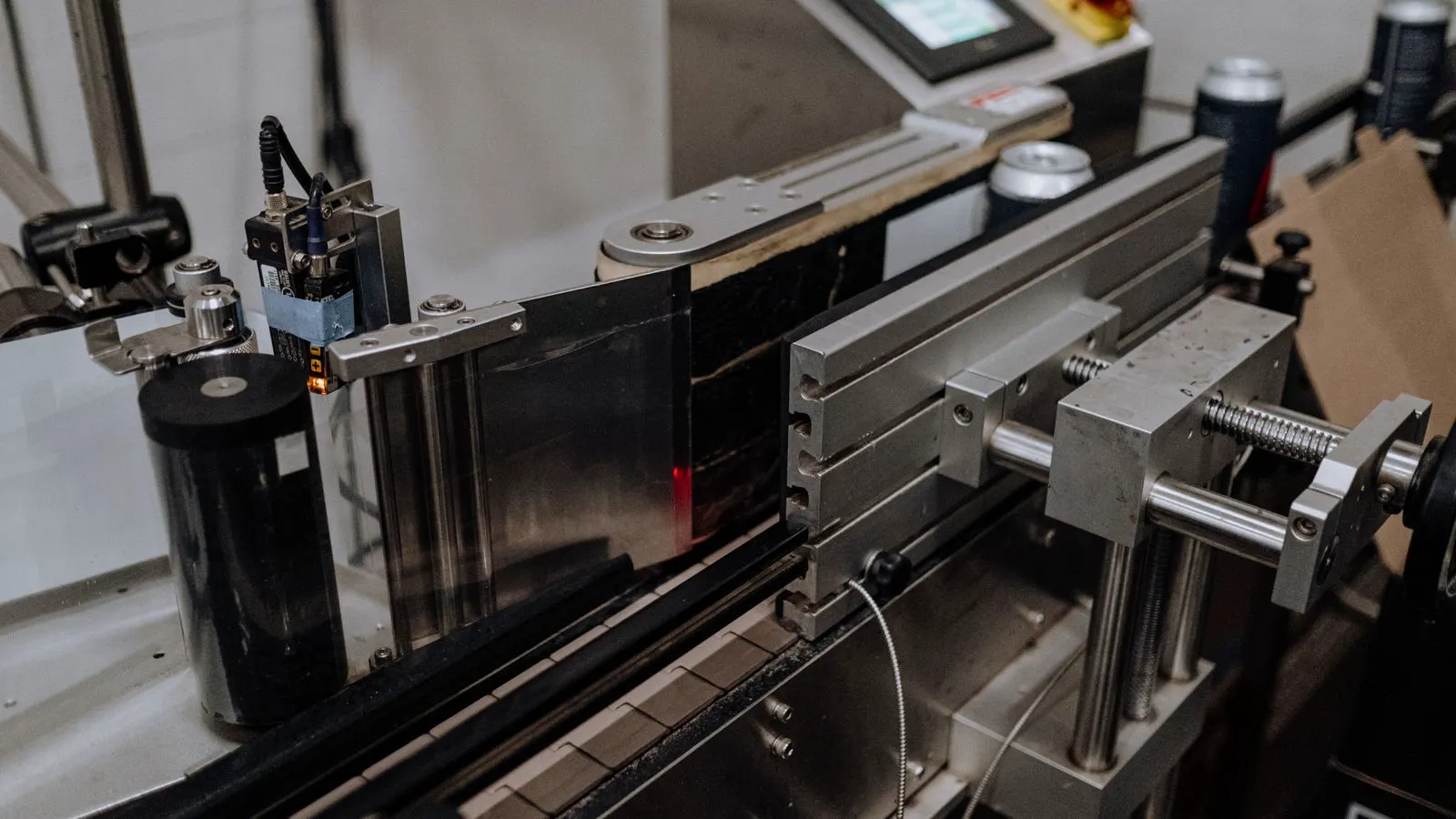
The sealer type is equally important. Sealing heads have different numbers of rollers and different torque settings. The number of rollers affects the strength of the seam. More rollers generally mean a stronger seal but a slower cycle. For high-volume production, you want a sealer that can maintain speed while still creating a strong seam. Ask the supplier for data on seam strength under various speeds.
Review the Supplier’s Quality Control Process
Equipment sizing is only one part of the purchase. The supplier’s ability to maintain quality over time is the other. When you are choosing a supplier, do not just look at the machine. Look at their quality control protocols. How do they test each unit before shipping? What calibration records do they keep? How do they handle complaints after installation?
Ask for a sample of their quality control documentation. Look for checklists that cover critical components. The filling valve, the seaming head, and the control system should all have documented test procedures. If a supplier cannot provide this documentation, that is a red flag.
The supplier should also provide training for your maintenance team. A machine is only as good as the people who keep it running. If the supplier offers a training program, ask how long it lasts and what it covers. A good training program includes not just operation, but also basic troubleshooting and preventive maintenance.
Consider the supplier’s support structure. Who do you call when the machine breaks down? Is the support team local to your region? How fast can they send parts? These questions sound simple, but they define your experience after the initial sale. A machine that is fast to buy but slow to fix will cost you more in the long run.
Check Facility Constraints and Utility Load
Your plant floor has limits. Before you finalize your canning machine selection, measure the space where the machine will sit. Include the loading area, the unloading area, and the maintenance access points. A large machine may not fit in a tight space, even if it meets your volume target.
Check your utility load. Canning machines use power for the motors, the controls, and the steam systems. If your plant is near its electrical limit, a larger machine may require new wiring or a transformer. This can add cost and delay to your project. Confirm the power requirements with your electrical engineer before you sign a contract.
Steam supply is another factor. If your machine uses steam for filling or sterilization, your steam system must be able to provide enough pressure and flow. A machine that requires high steam pressure may need a new boiler or a larger steam line. Ask the supplier for the steam consumption data. This is usually in the technical datasheet.
Also consider the drainage and waste systems. Canning lines produce wastewater and organic waste. Your facility must be able to handle this. If your plant does not have adequate drainage, you will need to install it. This is an easy thing to forget until after the machine is installed.
Use a Decision Checklist to Confirm Your Choice
Before you sign a contract, run through a decision checklist. This step helps you catch issues that are easy to miss during the sales process. It also gives you a document to compare against multiple suppliers.
- Does the machine speed match your daily production target?
- Are the station speeds balanced, or is there a bottleneck?
- Can the machine handle your largest can size?
- What is the changeover time for your product mix?
- Does the machine fit your floor space and utility load?
- Does the supplier provide quality control documentation?
- What is the training program for your maintenance team?
- What is the support structure for after-sales service?
- What is the expected maintenance interval for critical components?
- Is the machine compatible with your sterilization method?
If you cannot answer any of these questions, ask the supplier. If the supplier cannot answer them, consider another supplier. The goal is to have a clear picture of what you are buying and how it will perform in your plant.
Final Thoughts on Volume-Based Selection
Choosing a canning machine by volume is a practical exercise. It moves the conversation from features to fit. You are not looking for the fastest machine. You are looking for the machine that meets your production target with room to grow. You are looking for a machine that fits your space, your utilities, and your quality standards.
The buyer who succeeds in this process does not guess. They measure. They calculate. They compare. They ask for documentation. They check the supplier’s track record. They confirm that the machine works in their specific environment. This approach reduces risk and increases the chance of a successful installation.
Take your time with the selection process. The machine will be in your plant for many years. A good choice now will save you headaches later. A bad choice will cost you in downtime, waste, and frustration. Use the information in this guide to make a informed decision. Focus on your volume, your constraints, and your quality goals. That is how you choose the right canning machine.
Frequently asked questions
How do I calculate the required line speed for my canning operation?
Divide your daily production target in units by your productive hours per day. This gives you the minimum speed your line must sustain. Add a buffer for downtime and changeovers.
What is the difference between a rotary and a straight-line canning machine?
Rotary machines use a circular track and are generally faster and more compact. Straight-line machines use a linear conveyor and are simpler to maintain but often slower.
Does the sealer speed matter as much as the filler speed?
Yes. The line runs at the speed of the slowest station. If the sealer is slower than the filler, you have a bottleneck. You should look for a machine where the station speeds are balanced.
How do I know if the machine will fit my plant?
Measure your floor space, including loading, unloading, and maintenance areas. Check your utility load for power and steam. Confirm the machine's dimensions and consumption data with your engineers.
What should I ask a supplier about their quality control process?
Ask for sample quality control documentation. Look for checklists for critical components like the filling valve and seaming head. Ask about calibration records and how they handle post-installation issues.