Retort automation shifts from simple robotic arms to integrated loading systems with real-time monitoring. Buyers should plan for sensor integration, flexible tooling, and operator training. Future systems will handle diverse product formats and improve traceability.
- Plan for integrated sensors that track load integrity and steam exposure.
- Invest in flexible tooling to handle multiple can and pouch formats.
- Design for data capture to support validation and recall response.
- Train operators on system interaction and override protocols.
- Evaluate vendor support for software updates and spare parts.
Retort loading has moved beyond manual placement. The focus now sits on how machinery handles product from the filling line to the sterilization vessel. Buyers should watch how loading systems integrate with process controls and data logging. The goal is consistent load placement, reduced human error, and traceability.
What changes in loading mechanics?
Manual loading relies on workers to place cans or pouches in a pattern. This works for small batches but introduces variation. Robotized arms now place product with consistent spacing. The spacing matters because steam needs uniform flow. Uneven loads create cold spots and extend processing time.
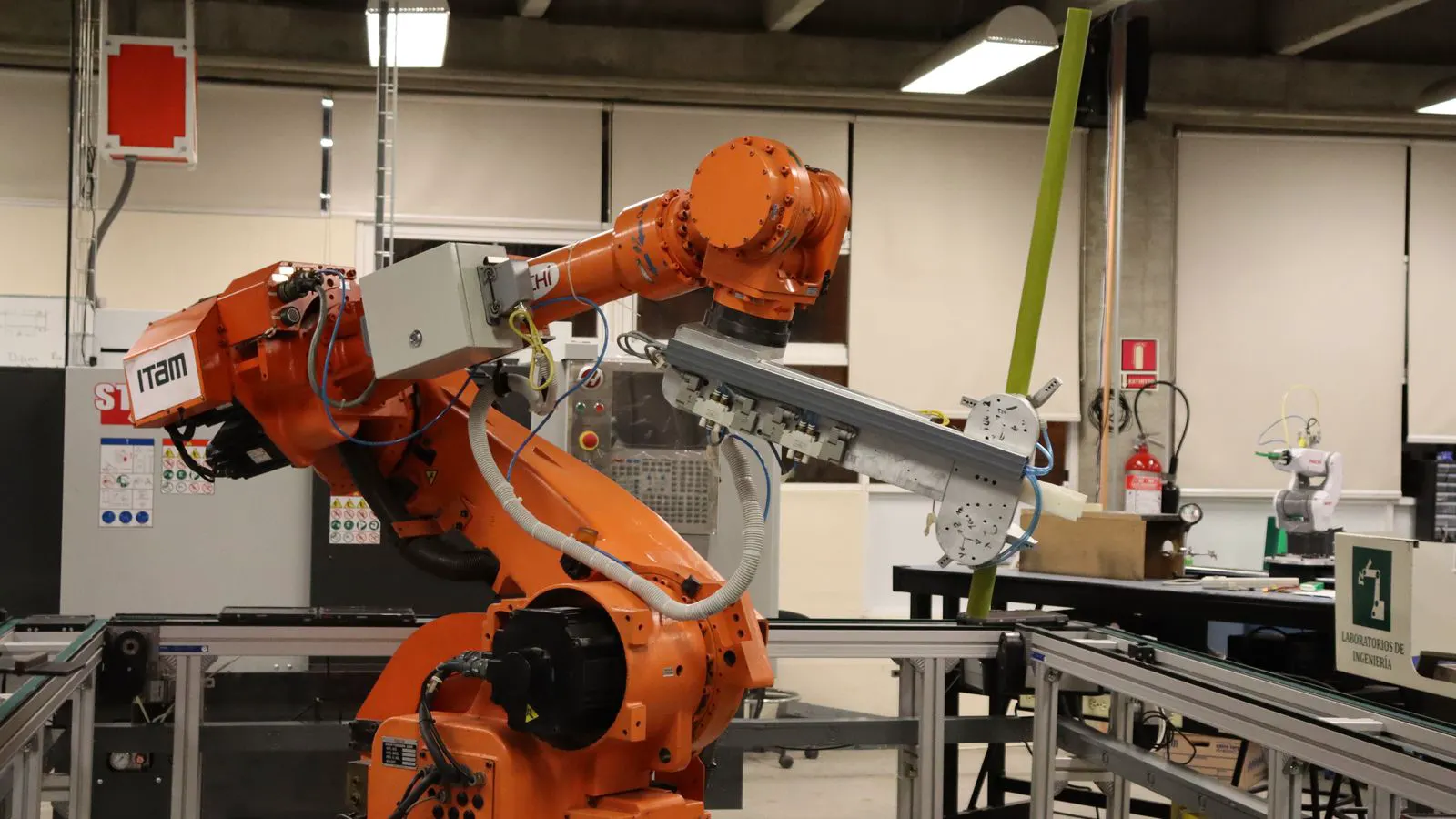
Many installations use gantry systems or articulated arms. Gantry systems move over a fixed track. They suit larger retorts with multiple racks. Articulated arms handle smaller loads or flexible pouches. The choice depends on the product format and the retort door size. A gantry offers a wider stroke and can reach across a large opening. An articulated arm offers more reach flexibility but has a smaller footprint.
A key trend is the addition of vision systems. Cameras check can orientation and rack alignment before the arm closes. This prevents jams that stop the line. A small misalignment can block the door seal. Vision systems catch this early and alert the operator. The camera often uses a structured light or laser line to detect edges and gaps. This ensures the gripper picks up the can exactly where expected.
The mechanical design of the gripper affects the cycle time. A parallel jaw gripper is fast but requires precise alignment. A suction cup is slower but works for flat surfaces. For pouches, the system may use a flat plate or a vacuum-based pickup. The plate holds the pouch in place while the arm moves. This prevents the pouch from stretching or tearing during transfer.
The loading path must avoid collisions with the retort door frame. The arm trajectory is programmed to clear the door seal area. If the door is not fully closed, the arm should not move. Interlocks on the door frame detect the door position and prevent the arm from entering the danger zone. This safety feature is critical for operator protection.
How do loading systems connect to process controls?
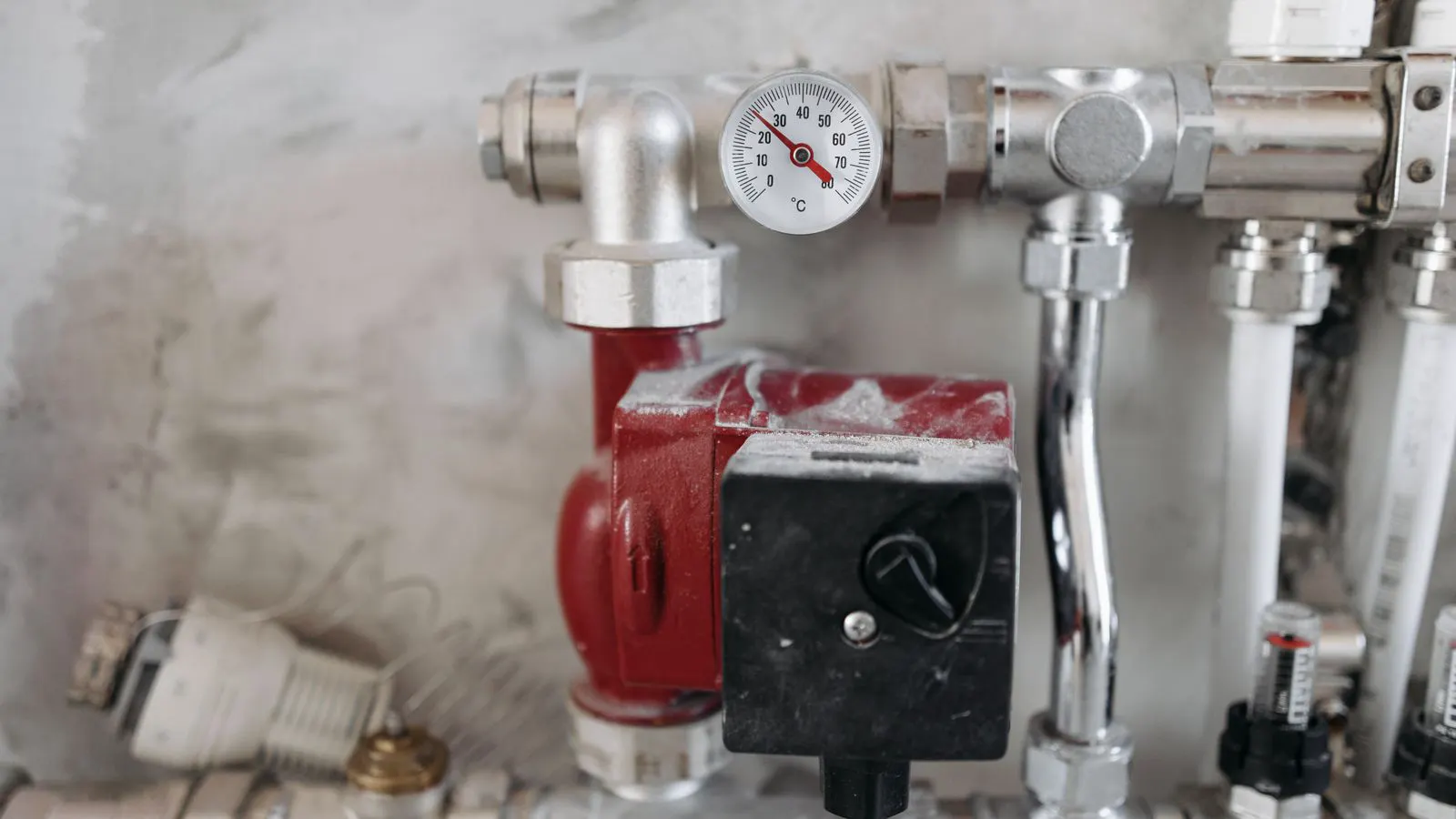
The link between loading and sterilization is now direct. Sensors on the rack or arm report load height and weight. This data feeds into the process controller. The controller adjusts steam time based on the actual load. A heavy load with dense product needs longer processing than a light one. The load weight sensor is often a load cell mounted under the rack or on the arm. It measures the total mass of the product and the rack.
Older systems used fixed timers. The new approach uses load-specific parameters. This improves energy use and product quality. The controller also logs the load ID to the batch record. If a problem arises, the team can trace it back to the specific rack and time. The load ID is usually a barcode or RFID tag on the rack. The scanner reads this ID when the rack enters the loading area.
Buyers should check how the loading system communicates with the SCADA or PLC. Open protocols help integration. If the loading system is a separate island, data transfer becomes manual. That creates gaps in traceability. Common protocols include OPC UA and Modbus. These allow the loading controller to exchange data with the main plant network. The loading system should report its status, including idle, running, and fault states.
Integration also affects startup time. When the load is verified, the controller can start the steam cycle. Manual confirmation slows the line. Automated handoff reduces idle time. The system should allow a manual override for safety checks. The operator can pause the cycle if the load looks incorrect. This override should be logged to ensure accountability.
The process controller should receive the load profile from the loading system. The profile includes the number of cans, their size, and their arrangement. This data helps the controller calculate the thermal load. The thermal load determines the steam pressure and temperature needed to sterilize the product. Accurate data prevents under-processing or over-processing.
What product formats will loading handle?
Cans remain common in shelf-stable foods. Pouches are growing in liquid and semi-solid products. The loading system must adapt to both. A can is rigid and stackable. A pouch is flexible and needs support. The loading system should be able to handle both formats without major modification.
For cans, the arm grips the rim or body. The gripper must hold the can securely without denting it. A can dent can affect the seal quality during sterilization. The gripper force should be adjustable. Too much force can crush the can. Too little force can cause the can to slip.
For pouches, the system may use a flat plate or suction. The gripper design changes the cycle time. A rigid gripper is faster. A flexible one is slower but gentler. Pouches often have a spout or a flat bottom. The loading system must accommodate these features. The gripper should not pinch the spout or crease the pouch bottom.
Some lines mix formats. A single retort may run cans in one shift and pouches in another. The loading system needs quick changeover. Modular grippers and tooling help here. Swapping a can gripper for a pouch gripper should take minutes, not hours. The tooling should be designed for easy removal and installation. The operator should be able to swap the gripper without tools.
The rack design matters too. Cans use standard racks. Pouches may need custom trays or guides. The loading system must recognize the rack type. This is often done via a barcode or an RFID tag on the rack. The system then adjusts its path and grip. The rack tag should also include the product code. This information helps the controller select the correct sterilization profile.
The loading area should be designed to handle different rack sizes. The arm must reach the full width of the retort door. The floor space around the retort should allow for rack movement. Forklifts or pallet jacks may be used to move empty racks. The loading area should have clear floor markings to prevent accidents.
How does data capture change validation?
Retort validation requires proof of process. Old records were paper logs. New systems write data to a database in real time. The loading system records when the rack entered the retort. It also records the steam pressure and temperature. The data is time-stamped and stored in a secure database.
This data supports the thermal death time calculations. The validation engineer can see exactly what happened during each cycle. If a deviation occurs, the log shows the moment. This speeds up root cause analysis. The engineer can review the data to identify the cause of the deviation. Common causes include door seal failure or steam valve malfunction.
The data also helps with continuous improvement. Trends in load placement can be seen over time. A slight shift in arm position might indicate wear. Catching this early prevents product defects. The system should flag anomalies for review. The anomaly detection algorithm looks for patterns in the load data. If the load weight varies significantly from the expected value, the system raises an alert.
Buyers should ask about data retention. Retort records are subject to audit. The system must store data for the product shelf life. Cloud storage is an option, but local storage is often required. The vendor should provide export formats for regulatory review. Common export formats include CSV and PDF. The data should be readable by third-party auditors.
The database should be backed up regularly. A data loss can invalidate the batch record. The backup should be stored in a separate location. The system should have a disaster recovery plan. This plan includes steps to restore the database in case of a failure. The backup process should be automated to avoid human error.
What should buyers watch in vendor proposals?
Vendors often sell the robot arm. The value is in the integration. Ask how the system handles communication errors. What happens if the vision camera fails? The system should stop and alert the operator. It should not continue loading with unverified positions. The system should have a fail-safe mode. In this mode, the arm stops and the operator must manually reset it.
Check the maintenance requirements. Robot arms have bearings and cables. They need regular inspection. The vendor should provide a maintenance schedule. Include this in the total cost of ownership. A robot that needs frequent repair stops production. The maintenance schedule should include preventive maintenance tasks. These tasks help prevent failures before they occur.
Spare parts availability is a practical concern. If a gripper breaks, the line waits. Ask about lead times for critical parts. Some vendors keep common parts in stock. Others require long waits. This affects downtime risk. The vendor should provide a list of recommended spare parts. The buyer should order these parts at the start of production.
Also review the software. The loading system should have a user interface that operators can use. It should show status, faults, and history. Avoid systems that require a specialist to read basic data. The operator should be able to clear minor faults. The interface should be simple and intuitive. It should use clear icons and labels.
The vendor should provide a training program. The training should cover operation, maintenance, and troubleshooting. The training should be conducted by a certified technician. The operator should be able to perform basic maintenance tasks. This reduces dependence on the vendor for minor issues.
How to prepare for these changes?
Start with the product mix. List the can and pouch sizes. Measure the dimensions. This helps the vendor design the gripper and path. A clear spec reduces change orders later. The spec should include the weight of the product and the rack. It should also include the maximum and minimum load.
Plan the layout. The loading arm needs space for approach and retraction. It also needs a place for the vision camera. Check the floor load capacity. The robot and rack can be heavy. The floor should be able to support the weight. If the floor is weak, reinforcement may be needed.
Train the team early. Operators will interact with the system daily. They need to know how to load empty racks and clear jams. The training should cover safety interlocks. A locked door prevents injury. The training should include emergency stop procedures. The operator should know where the emergency stop button is located.
Review the documentation. The system should come with a manual for operation and maintenance. The vendor should provide a validation package. This includes test reports and installation records. The validation package should be kept with the batch records. It serves as evidence that the system was installed and tested correctly.
Keep an eye on industry standards. Retort automation must meet food safety requirements. The system design should support sanitation. Surfaces should be cleanable. Gaskets and seals should be replaceable. The system should be designed to prevent product contamination. The loading area should have a cleanable floor and walls.
The shift is toward a connected line. Loading is no longer a separate step. It is part of the sterilization process. Buyers who plan for integration and data capture will see better results. Those who buy a standalone robot may find it difficult to connect. The value is in the whole system. The system should be designed to work with the existing plant infrastructure.
A practical step is to visit a reference site. Watch the loading in action. See how the operator handles a fault. Ask about the last major update. This gives a clear picture of the system in daily use. The reference site should be similar to the buyer’s plant. This ensures the system will work in the buyer’s environment.
The future of retort loading is less about bigger robots and more about smarter integration. The parts are already available. The challenge is in the connection. Plan for that connection from the start. It will pay off in consistency and compliance. The system should be scalable. It should be able to handle increased production volume without major changes. The system should also be able to handle new product formats as they are introduced.
Frequently asked questions
What is the biggest advantage of automated retort loading?
Automated loading reduces human error in can placement. It creates consistent loads that improve steam exposure. This leads to shorter processing times and fewer defects.
How do vision systems help in retort automation?
Vision systems check can alignment before the rack closes. They prevent jams and door seal failures. This keeps the line running and maintains product quality.
Can a retort loading system handle both cans and pouches?
Yes, with the right tooling. Modular grippers allow quick changeover between product formats. The system must recognize the rack type to adjust its path.
What data should be captured during retort loading?
The system should record load ID, entry time, and steam parameters. This data supports validation and traceability. It helps in audit and recall response.
How long does it take to change grippers between formats?
Changeover should take minutes with modular tooling. A quick release mechanism allows the operator to swap grippers. The system then loads the correct rack.