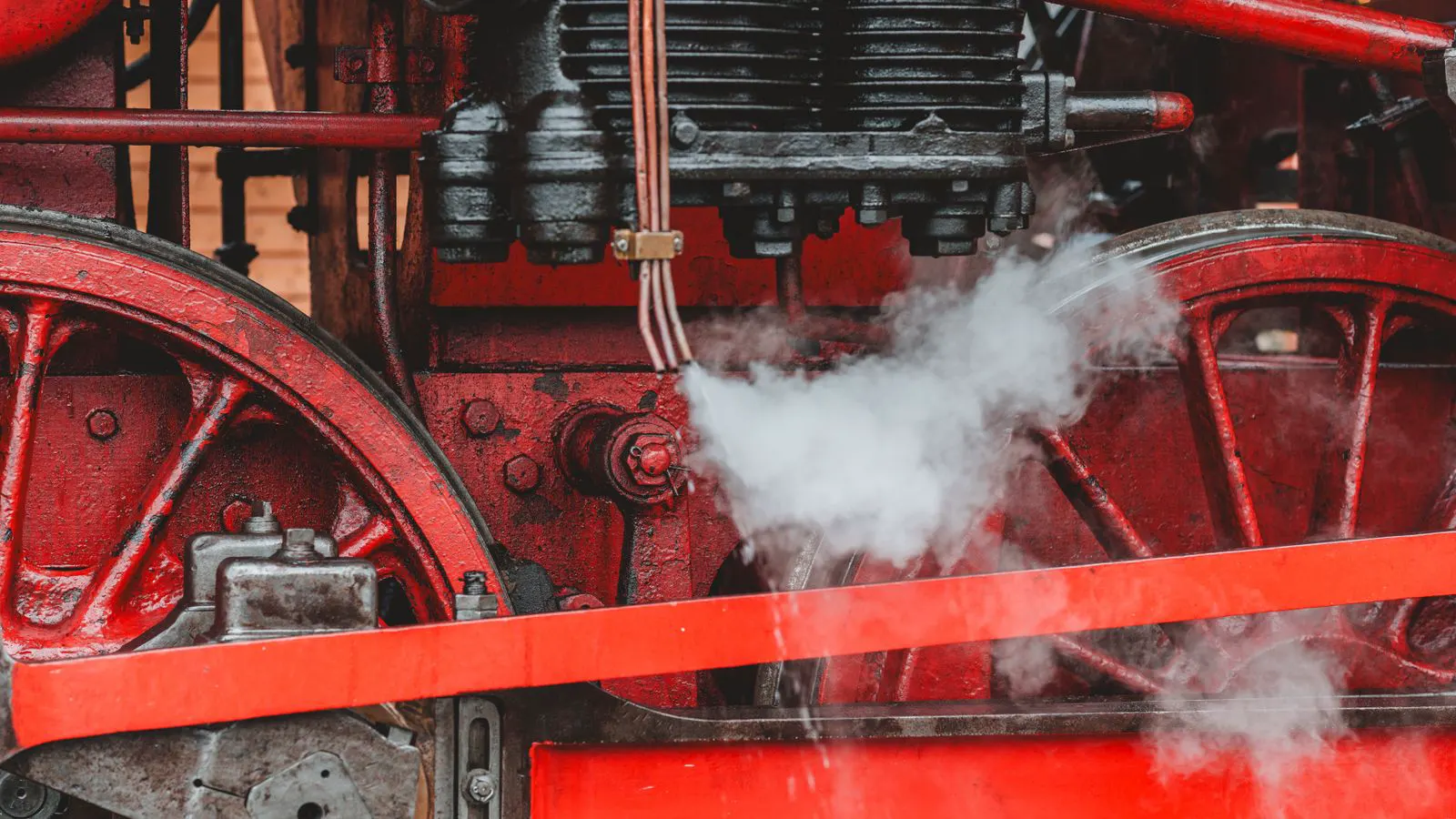
Uneven heating in steam retorts causes thermal processing defects and food safety issues. This retort troubleshooting guide identifies common causes like low steam pressure, clogged nozzles, and poor load patterns, providing specific fixes and prevention tips for engineers.
- Low steam pressure and clogged nozzles are the most frequent causes of uneven heat distribution.
- Product loading patterns significantly affect heat transfer; dense or packed loads create cold spots.
- Regular inspection of safety valves and pressure gauges prevents sudden steam flow interruptions.
- Documenting batch logs helps identify if defects correlate with specific loads or maintenance intervals.
Why Steam Retorts Develop Uneven Heating Patterns
Uneven heating in a steam retort compromises product safety and shelf life. When the temperature profile inside the chamber does not match the validated process, the food may appear cooked on the outside but remain underprocessed in the center. This inconsistency shows up in finished goods as off-flavors, texture changes, or microbial survival. A single cold spot, even if small, can allow heat-resistant spores to survive. The retort is not just a cooking vessel. It is a controlled environment where heat transfer must be uniform and predictable across every container in the load.
The root cause is rarely a single failure. Most often, it is a combination of mechanical wear, operator error, and product-specific variables that interact over many batches. Engineers need a systematic way to isolate these variables. Without that system, maintenance becomes reactive. Teams chase symptoms instead of causes. The result is downtime, rejected batches, and unnecessary part replacements.
Symptoms That Signal a Heating Problem
Before opening the machine, look for patterns in the data. Operators often record temperature probes, pressure readings, and cycle times. If the final product shows defects, the data from the last few batches will tell you where to look. The trend is more useful than a single reading. A consistent two-degree drop on the lower probe over three batches points to a mechanical issue. A sudden spike in cycle time suggests a change in load density or steam supply.
Common signs include:
- Temperature probes at different levels in the chamber show a gap of two to three degrees or more.
- Pressure drops during the heating phase, causing the temperature to plateau before it should rise.
- Finished products show dark spots on the surface but pale, uncooked centers.
- The cycle takes longer than the validated time to reach the target temperature.
- Steam condensates and collects at the bottom of the chamber instead of circulating evenly.
These symptoms are the starting point for retort troubleshooting. They point to specific mechanical or operational failures. Do not ignore minor deviations. Small gaps in temperature data often precede larger safety failures.
The Core Troubleshooting Table
The table below maps common symptoms to their likely causes and the corrective actions required. Use this as a field reference.
| Symptom | Likely cause | What to do |
|---|---|---|
| Temperature difference between top and bottom probes | Poor steam circulation or condensation at the base | Check steam inlet nozzles for blockage. Verify the chamber drainage slope. |
| Pressure drop during heating phase | Worn safety valve or leaking gasket | Replace the safety valve disc. Tighten or replace chamber gaskets. |
| Long time to reach target temperature | Low boiler steam supply or restricted inlet valve | Check boiler output. Inspect and clean the main steam inlet valve. |
| Cold spots around the center of the load | Improper product packing or dense load placement | Adjust the loading pattern. Ensure gaps between product containers. |
| Inconsistent final temperature across the batch | Faulty temperature controller or failed sensor | Calibrate the controller. Replace failed thermocouples or RTDs. |
Mechanical Causes: Steam Supply and Control
The most common mechanical failure in steam retorts is a restriction in the steam flow. If the steam cannot enter the chamber freely, the heat transfer slows down. This creates a gradient where the air or liquid near the inlet heats up faster than the opposite side. The steam may be dry at the inlet, but as it travels through the chamber, it loses energy. If the flow is restricted, the loss is uneven. One side of the chamber may remain cooler than the other.
Inspect the inlet valves and the main steam line. Look for scale buildup inside the valve seats. This is common in plants with hard water. A partially closed valve will not always trip a pressure alarm, but it will reduce the volume of steam entering the chamber. The pressure gauge may read normal, but the actual mass flow of steam is lower. The controller sees the pressure and assumes the system is working. The product, however, is not receiving enough heat.
The boiler itself is another suspect. If the boiler is running at low capacity, the retort receives less steam. Check the boiler pressure and the level of steam demand on the plant. If the retort is one of several steam users, other equipment might be drawing off the supply during the heating phase. Look at the plant schedule. If a large extractor or washer operates at the same time, the boiler may not be able to maintain full pressure for the retort. This is a common issue in facilities with shared steam headers.
Product Loading and Heat Transfer
Even a perfectly working retort will fail if the product is loaded incorrectly. Steam travels through the chamber and contacts the product. If the containers are packed too tightly, steam cannot reach the inner layers. The outer containers absorb the heat, but the inner ones stay cooler. The heat transfer rate drops as the distance from the steam source increases. This is a physics problem, not a machine problem.
This is a classic cause of thermal processing defects. Engineers must look at the loading diagram used in the validated process. Does the actual loading match that diagram? Often, operators pack more product than the diagram allows to save space. This creates a dense core that acts as a thermal barrier. The steam cannot penetrate the gaps. The inner containers rely on conduction from the outer containers, which is much slower than direct steam contact.
The shape of the product container matters too. Cylindrical cans heat differently than rectangular trays. A thick, dense product like a meat stew in a can requires more time to heat the center than a thin liquid in a tray. The thermal conductivity of the food is a key factor. Foods with low thermal conductivity, such as stews or pastes, take longer to heat than liquids. If the product density changes, the validated time may no longer be sufficient. A change in formulation, such as adding a thickening agent, can alter the heat transfer properties of the product.
Control Systems and Instrumentation
The temperature controller tells the steam valve when to open and close. If the controller is out of calibration, it will send the wrong signal. A controller that reads the temperature as 120 degrees when it is actually 115 degrees will close the steam valve too early. The product will not reach the required process temperature. The cycle may appear to complete on time, but the actual process is insufficient.
Check the calibration records. If the last calibration was six months ago, test the sensor with a known reference. Thermocouples can drift over time. A failed sensor in the center of the chamber will give a false reading, and the controller will not adjust the steam flow correctly. The sensor must be placed in the coldest spot of the product, not in the steam space. If the sensor is in the wrong location, the controller will make incorrect decisions.
The pressure gauge is also critical. If the gauge is stuck or inaccurate, the operator will not see a pressure drop. A pressure drop can be caused by a leak or a valve failure. Without seeing the drop, the operator assumes the system is fine. The product, however, is still heating unevenly. The pressure gauge should be checked regularly. A digital pressure transmitter is often more reliable than a mechanical gauge, but it still requires calibration.
Validation and Process Design
Retort troubleshooting is not just about fixing the machine. It is about validating the process. If the machine is working correctly, the process must be re-validated for the specific product load. The validated process is a baseline. It defines the temperature and time required to ensure safety. If the actual conditions deviate from this baseline, the process is no longer validated.
When a new product is introduced, the engineering team must determine the heating pattern. This involves running test cycles with thermocouples placed in the coldest points of the product. The data shows how long the product takes to reach the target temperature. The process time is set based on this data. The coldest point is the critical control point. If the coldest point reaches the target temperature for the required time, the rest of the product is safe.
If the product formulation changes, for example, if a new additive is added that changes the density, the heating pattern changes. The old process time may be too short. This is a food safety issue. The product may pass the visual inspection but fail the microbial test later. A change in the water activity or the pH of the product can also affect the safety margin. Any change in the product requires a review of the process. Do not assume the old process still applies.
Prevention and Maintenance
Prevention is cheaper than troubleshooting. A scheduled maintenance plan for the retort system reduces the chance of failure. Consistency is the goal. The same tasks, done at the same intervals, by the same people, produce predictable results.
- Clean the steam inlet nozzles every three months.
- Inspect the safety valve and test it annually.
- Check the chamber gaskets for wear every quarter.
- Calibrate the temperature sensors every six months.
- Review the loading diagram with operators every shift.
Document every maintenance action. When a defect occurs, the maintenance log tells you what was done recently. If a gasket was replaced, the leak is unlikely. If the safety valve was tested, the pressure drop is less likely. The log is your best tool for retort troubleshooting. It provides a trail of evidence. When something goes wrong, the log helps you identify what changed.
When to Call for Professional Help
Some issues are beyond the scope of routine maintenance. If the steam supply line is corroded internally, a professional inspection is needed. If the boiler is failing, a technician must diagnose the root cause. If the control system is malfunctioning, an electrical engineer should review the wiring and the controller logic. These issues require specialized tools and expertise.
Do not guess. Use the data. If the temperature profile is off, look at the pressure. If the pressure is fine, look at the load. If the load is correct, look at the controller. This step-by-step approach isolates the failure and saves time. It also prevents unnecessary repairs. A methodical diagnosis is faster than a random repair.
Frequently asked questions
Can a single probe in the retort chamber give an accurate temperature reading?
No. A single probe only measures the air or steam temperature at that point. You need multiple probes at different levels and positions to detect uneven heating patterns.
What is the most common cause of cold spots in a steam retort?
Improper product loading is the most common cause. If the containers are packed too tightly, steam cannot reach the inner layers, creating a cold core.
How often should I calibrate the temperature sensors in a retort?
Calibrate the sensors every six months, or immediately after any repair or replacement. Regular calibration ensures the controller is receiving accurate data.
Can I increase the steam pressure to fix uneven heating?
No. Increasing the pressure beyond the validated limit can damage the product and the machine. Fix the root cause, such as a clogged nozzle or a poor loading pattern.
What should I check first if the retort takes too long to heat up?
Check the steam inlet valve and the boiler supply. A restricted valve or low boiler pressure will slow the heating process and cause uneven temperature distribution.