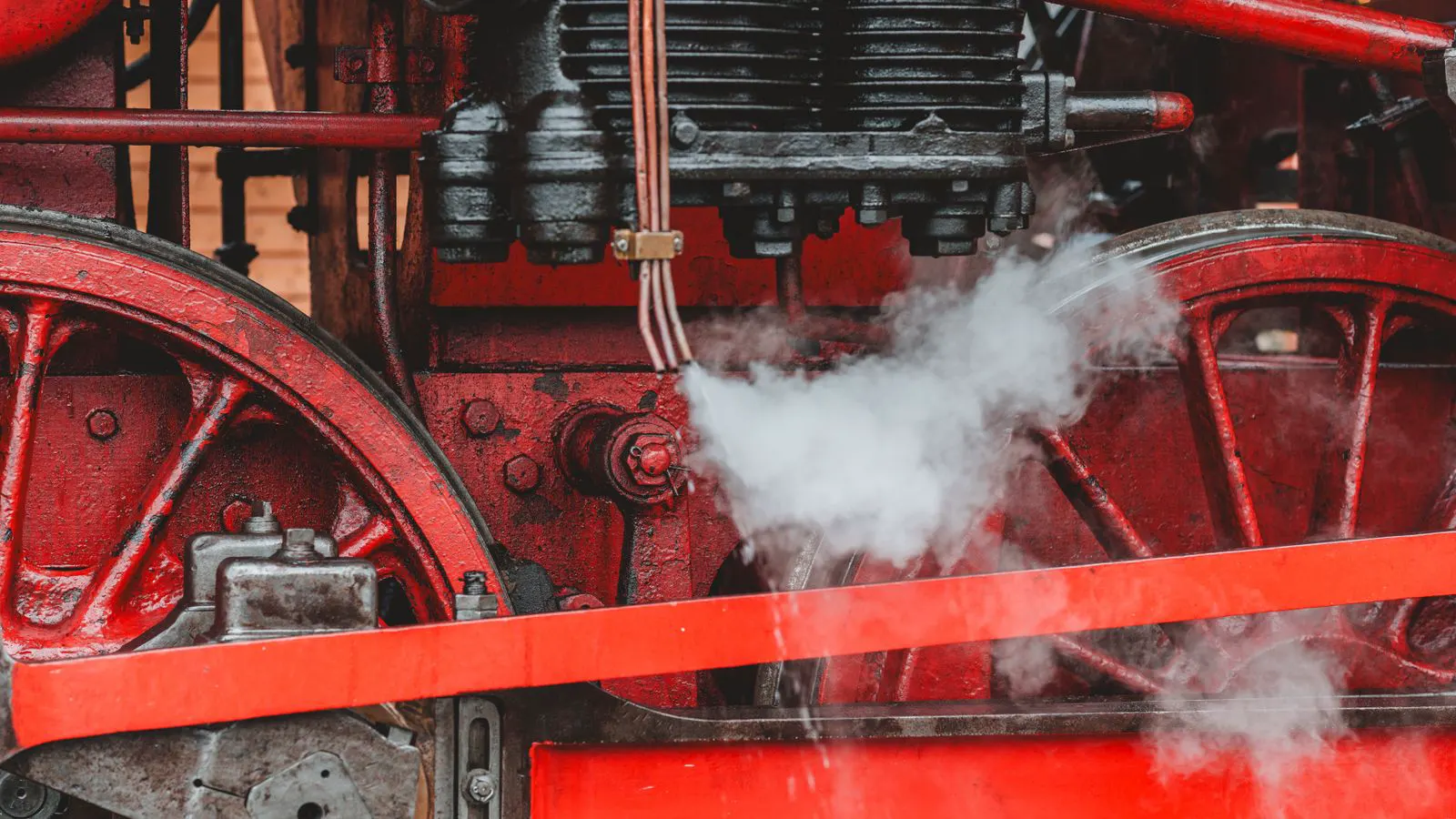
Steam retorts use saturated steam to transfer heat quickly to canned goods, resulting in shorter cycle times and lower energy costs. Hot water retorts rely on circulating water and are often simpler to maintain. The choice depends on product acidity, throughput requirements, and the need for precise temperature control.
- Steam retorts heat products faster than hot water retorts due to the high latent heat of condensation.
- Hot water retorts offer simpler controls and lower maintenance demands for smaller batches.
- Product acidity and packaging type dictate which thermal method reaches the target process safely.
- Energy costs and facility constraints often decide the final equipment selection.
How the Heat Transfer Mechanism Works
Steam and hot water retorts both achieve sterilization through thermal processing, but the physics inside the chamber differ. In a steam retort, the heating medium is saturated steam at a fixed temperature, typically between 120 and 135 degrees Celsius depending on the pressure. When steam contacts a cooler product can, it condenses on the surface. This phase change releases a large amount of latent heat. The energy transfer is rapid because the temperature difference between the steam and the product is significant.
In a hot water retort, the heating medium is liquid water. The water temperature is lower, often between 90 and 100 degrees Celsius at atmospheric pressure, or slightly higher if the system is pressurized. Heat moves from the water to the can through convection. The temperature difference between the water and the product is smaller. The heat transfer rate is slower. The cycle time is longer to achieve the same lethality as a steam process.
The core difference is the energy density of the medium. Steam carries more energy per unit mass than hot water. This makes steam the preferred method for high-throughput operations and for products that require aggressive thermal treatment.
Comparison of Process Parameters
The table below outlines the primary differences between the two methods.
| Option | Best for | Limitations |
|---|---|---|
| Steam Retorts | High throughput, low acidity, viscous products | Requires complex steam supply and condensate handling |
| Hot Water Retorts | Small batches, acidic foods, simpler maintenance | Longer cycle times, higher water consumption |
| Combined Systems | Mixed production lines, flexible processing | Higher capital cost, more complex controls |
Steam retorts are the standard for low-acid foods like vegetables, meats, and dairy. These products require temperatures above 100 degrees Celsius to inactivate spores. Steam provides this temperature directly. Hot water retorts are more common for high-acid foods like fruits, juices, and pickled items. These products can be sterilized at lower temperatures, and the gentler heat profile of hot water helps preserve texture and flavor.
Thermal Processing Requirements
The goal of thermal processing is to reduce the microbial load to a safe level. This is defined by the process intensity. For low-acid foods, the target is usually 121 degrees Celsius for a specific time, known as the F0 value. Steam retorts make it easier to hit this target consistently. The steam temperature is stable. The pressure in the chamber is constant. The product heats uniformly.
In hot water retorts, achieving the same F0 value requires a longer exposure time. The water temperature may fluctuate more due to heat losses and product loading. The operator must monitor the core temperature of the product carefully. If the product is dense or viscous, the heat penetrates slowly. The center of the can lags behind the outer surface. This lag increases the cycle time. For some products, this lag can be a problem. The heat may degrade sensitive components before the center reaches the sterilization temperature.
Energy Efficiency and Operating Costs
Energy consumption is a major factor in equipment selection. Steam retorts use less energy per kilogram of product processed. The latent heat release is efficient. The steam supply is often generated on-site or taken from a utility line. The condensate returns to the boiler, recovering heat. The energy loss is minimal.
Hot water retorts consume more energy to heat the water to the required temperature. The water circulates continuously. The heat transfer to the product is less efficient. The cycle time is longer, meaning the heating elements or steam coils run for more time. The energy cost per batch is higher. Water consumption is also a factor. Hot water retorts use large volumes of water. This water must be treated and replenished. The cost of water and chemical treatment can add up.
However, hot water retorts have lower maintenance costs. There are no complex steam traps or pressure vessels to maintain. The water pump and heating coils are simple components. The controls are straightforward. For smaller plants or facilities without a central steam supply, hot water retorts are a practical choice.
Suitability for Different Product Types
The product determines the method. Low-acid foods require steam. High-acid foods can use hot water. Viscous liquids like tomato paste or soup are often processed in steam retorts. The viscosity slows heat transfer. The high temperature of steam overcomes this resistance. Fruits and vegetables that are cut or whole can be processed in hot water retorts. The lower temperature preserves the structure.
Packaging also matters. Cans withstand high temperatures well. Glass jars are also used in steam retorts. Pouches and flexible packaging may not tolerate the high temperatures of steam retorts. They are often processed in hot water or other thermal methods. The material limit of the packaging dictates the maximum process temperature.
When to Choose Each Method
Pick steam retorts if you process low-acid foods at high volumes. You need short cycle times and energy efficiency. You have a steam supply or a boiler room. You want to maximize throughput. Steam retorts are the industry standard for commercial canning. They are reliable and proven.
Pick hot water retorts if you process high-acid foods. You want to preserve flavor and texture. You have limited space or no steam infrastructure. You process small batches. You want simpler maintenance. Hot water retorts are suitable for specialty foods, jams, and small-scale production.
Maintenance and Operational Checks
Steam retorts require regular inspection of the pressure vessel. The steam traps must be checked for proper function. If a trap fails, steam may enter the chamber uncontrolled, or condensate may accumulate. This affects temperature uniformity. The chamber lining must be checked for corrosion. Stainless steel is standard, but it can degrade in acidic environments.
Hot water retorts require attention to the water quality. Scale buildup on the heating coils reduces efficiency. The water must be treated to prevent scaling. The pump must be monitored for wear. The temperature sensors must be calibrated. The water circulation must be uniform to avoid cold spots.
Both systems require validation. The thermal profile must be tested with thermocouples placed in the product. The cooling phase is critical. The product must cool to a safe temperature to prevent growth of pathogens. The cooling rate is monitored and recorded.
Regulatory and Documentation Requirements
Thermal processing must comply with food safety regulations. The process parameters must be documented. The temperature, time, and pressure must be recorded for each batch. The validation reports must be available for audit. The sterilization time in retort canning is a specific term defined by industry standards. It refers to the time at the process temperature required to achieve the desired sterility.
For steam retorts, the documentation includes the steam pressure, the temperature, and the cycle time. For hot water retorts, it includes the water temperature, the circulation rate, and the cycle time. The records must show that the process was effective. The retention of the product must meet shelf life requirements. The quality of the product must be assessed.
Cost and Lead Time Considerations
The initial cost of a steam retort is higher than a hot water retort. The steam supply infrastructure adds to the capital cost. The lead time for steam retorts is longer due to the complexity of the design. Hot water retorts are cheaper and faster to install. They are a good option for startups or small facilities.
The operating cost of steam retorts is lower per unit of product. The energy efficiency is better. The throughput is higher. The long-term savings can offset the higher initial cost. For hot water retorts, the operating cost is higher. The water and energy consumption are greater. The throughput is lower. The long-term cost may be higher for large-scale production.
Troubleshooting and Common Issues
Retorts can fail to reach temperature. This is a common issue in both steam and hot water systems. In steam retorts, the problem may be a faulty steam trap, a blocked pipe, or insufficient steam pressure. In hot water retorts, the problem may be a failing pump, a blocked filter, or incorrect water temperature settings. The operator must check the thermometers and the pressure gauges. The logs must be reviewed. The maintenance team must be called if the issue persists.
The cooling phase can also be a problem. If the product cools too slowly, pathogens can grow. The cooling water temperature must be controlled. The flow rate must be sufficient. The temperature sensors must be accurate. The cooling time must be recorded.
Conclusion
The choice between steam and hot water retorts depends on the product, the throughput, and the facility. Steam retorts are better for low-acid foods and high volumes. They are energy efficient and fast. Hot water retorts are better for high-acid foods and small batches. They are simpler and cheaper. Both methods require careful validation and documentation. The goal is safe, high-quality food. The selection must be based on technical requirements and operational needs.
Frequently asked questions
What is the main difference between steam retorts and hot water retorts?
Steam retorts use saturated steam for heat transfer, which is faster and more energy efficient. Hot water retorts use circulating liquid water, which is slower but simpler to maintain.
Can hot water retorts sterilize low-acid foods?
No. Low-acid foods require temperatures above 100 degrees Celsius. Hot water at atmospheric pressure cannot reach this temperature. Steam is required for low-acid sterilization.
How long do steam retort cycles take compared to hot water retorts?
Steam retort cycles are typically shorter. The high temperature and latent heat release allow for faster processing. Hot water retorts require longer exposure times to achieve the same lethality.
What is the F0 value in thermal processing?
The F0 value is the process intensity. It is the time at 121 degrees Celsius required to achieve a specific level of sterilization. It is used to validate the process.
Do steam retorts require a boiler?
Yes, unless the facility has a central steam supply. A boiler is needed to generate the steam. The condensate must be managed and returned to the system.