Robotic arms and automated scrubbers are shifting food sanitation from manual labor toward programmed, repeatable cycles. Buyers should plan for sensor integration, data tracking, and workflow redesign. This outlook covers six shifts in cleaning cycles and practical steps to prepare.
- Robotic cleaning systems reduce manual contact and improve cycle consistency across equipment.
- Buyers should verify sensor integration, data logging, and compatibility with existing CIP infrastructure.
- Workflow redesign is required before installing automated scrubbers or robotic arms.
- Maintenance access, surface finish, and chemical compatibility must be reviewed during selection.
- Start with a pilot area to validate cycle times and data capture before full rollout.
What changes when robotic arms replace manual scrubbing
Food processing lines have long relied on trained operators for mechanical cleaning. Workers inspect surfaces, apply chemical solutions, and run rinse cycles by hand. Robotic arms and automated scrubbers are changing that model. The shift is not about removing all human work. It is about moving repetitive, high-risk tasks into controlled, repeatable processes.
The first change is consistency. A manual scrubber may vary in pressure, angle, and coverage depending on the operator. A robotic arm follows a programmed path. It applies the same force, the same dwell time, and the same rinse sequence on every run. This reduces the risk of missed spots. It also creates a clear record of what happened during each cleaning cycle.
The second change is operator safety. Cleaning chemical exposure is a known risk in food processing. Workers handling brushes, ladders, and high-pressure wands face physical strain and chemical contact. Robotic systems keep people away from direct contact with aggressive solutions. They also reduce the need for repetitive bending and reaching.
The third change is data capture. Modern robotic cleaning platforms often log cycle times, chemical usage, and sensor readings. This data can support sanitation records, maintenance planning, and process validation. It also makes it easier to compare performance across shifts and equipment groups.
How automated scrubbers fit into existing CIP systems
Automated scrubbers and robotic arms do not operate in isolation. They integrate with existing Clean-In-Place systems and manual touchpoints. The boundary between fully automated CIP and robotic mechanical cleaning is still developing. Buyers should expect a hybrid approach for the near term.
In many facilities, CIP handles large volumes of liquid and chemical flow. Robotic scrubbers handle surfaces that resist full CIP coverage. These include crevices, hinge points, and textured surfaces. The robotic unit may be positioned near a kettle, mixer, or conveyor. It applies a targeted scrub, then a rinse. The CIP system continues to manage bulk cleaning.
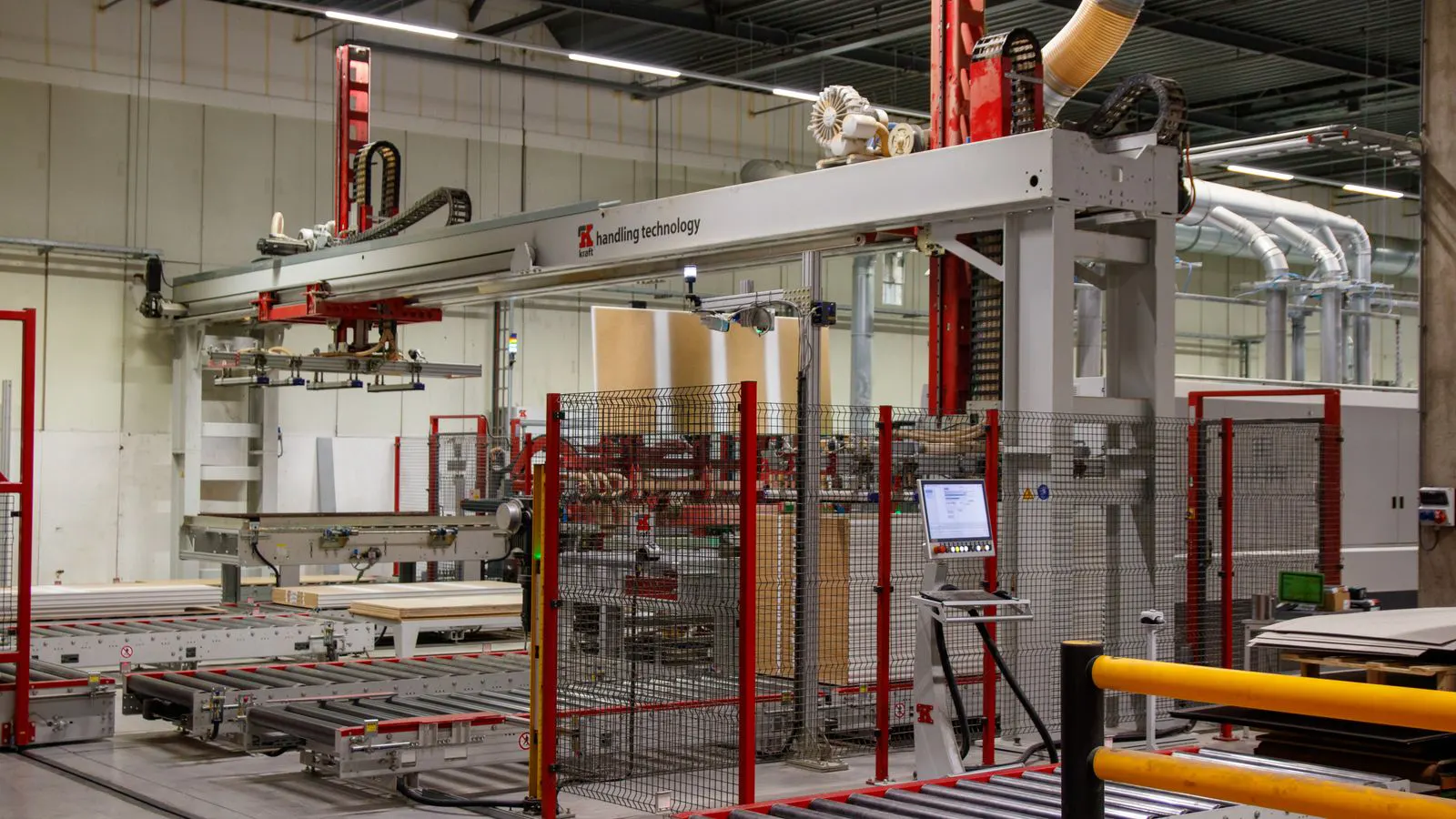
Integration requires planning. The robotic unit needs power, compressed air, chemical feed lines, and drainage. It must also communicate with the control system. If the robotic arm is part of a larger automation platform, it should share status signals with the CIP controller. This allows the sequence to move from chemical application to scrubbing to final rinse without manual intervention.
A common mistake is treating the robotic arm as a standalone tool. It performs best when it is part of a defined cleaning sequence. The sequence should include pre-rinse, chemical application, scrub, rinse, and inspection. Without that sequence, the robotic system may create more work than it removes.
The five to six shifts buyers should plan for
The first shift is in labor allocation. As robotic cleaning takes over mechanical tasks, operators move into oversight roles. They monitor cycles, handle exceptions, and perform final inspections. This requires new training. Workers must understand the robotic platform, the cleaning sequence, and the data it produces.
The second shift is in maintenance. Robotic arms contain moving parts. Motors, bearings, seals, and sensors require routine care. The maintenance schedule changes from manual tool inspection to mechanical and software maintenance. Buyers should budget for spare parts and service support. They should also verify that service technicians can access the unit without disturbing food-grade zones.
The third shift is in data management. Each cycle generates records. These records may include timestamps, chemical volumes, sensor readings, and error codes. The facility needs a place to store this data. It also needs a method to review it. Without that structure, the data becomes noise.
The fourth shift is in verification. Regulatory and customer audits often require evidence of proper sanitation. Robotic systems can support that evidence. They can log completed cycles, flag faults, and record deviations. Buyers should review how the data is presented. Can it be exported? Can it be tied to batch records? Does it support validation protocols?
The fifth shift is in workflow design. Cleaning is not a single step. It is part of a production sequence. Changing the cleaning method changes the flow of the line. Equipment may need repositioning. Access paths may change. The time between production runs may shift. Buyers should model the full sequence, not just the cleaning step.
The sixth shift is in procurement. Robotic cleaning is not just a purchase of a machine. It is a project. The project includes site survey, utility installation, software configuration, and operator training. Buyers should treat it as a capital project with clear milestones. They should also review lead times and integration support before committing.
How to prepare your facility before installation
The first step is a site audit. Walk the cleaning area. Identify where manual scrubbing occurs most often. Note where access is tight, where chemical exposure is highest, and where surface finish is difficult to clean. Look for existing CIP connections. Check drainage and floor condition. These factors determine where a robotic unit can be placed.
The second step is a surface review. Surface finish affects cleaning performance. Rough surfaces hold residue and bacteria. They also wear brushes and robotic components. Buyers should verify surface finish on piping, vessels, and structural parts. A checklist approach works well. Review gaskets, seals, and fasteners for food-grade certifications. If the surface finish is poor, cleaning automation may not solve the problem.
The third step is a chemical review. Robotic systems use the same chemicals as manual cleaning. The difference is delivery. Buyers should confirm that the chemical feed system can handle the required concentration and pressure. They should also check compatibility with seals and tubing. Aggressive chemicals can degrade materials over time. A review of pump and valve selection helps prevent downstream failures.
The fourth step is a data plan. Decide where cycle data will live. It may be on a local controller, a central server, or a cloud platform. The plan should define who accesses the data and how often. It should also define how deviations are handled. A fault code on a robotic arm should trigger a clear action. That action may be a re-run, a manual inspection, or a maintenance call.
The fifth step is a pilot selection. Choose one area for a pilot. The area should represent a realistic cleaning challenge. It should not be the easiest surface. The pilot should run for a defined period. Measure cycle time, chemical usage, and operator feedback. Review the data. Adjust the sequence. Only then expand to other areas.
Practical selection criteria for robotic cleaning platforms
The table below lists common evaluation points. Use it as a starting list during vendor discussions.
| Evaluation Area | What to Check | Why It Matters |
|---|---|---|
| Surface Coverage | Programmed path coverage | Ensures no missed areas on complex geometry |
| Chemical Delivery | Feed system compatibility | Prevents leaks and material degradation |
| Data Logging | Cycle records and fault codes | Supports audit trails and maintenance planning |
| Access and Service | Maintenance clearance | Allows routine care without disrupting production |
| Integration | CIP controller communication | Enables automated sequences without manual steps |
| Operator Interface | Status display and controls | Reduces training time and error risk |
Questions to ask vendors and internal teams
Before selecting a robotic cleaning platform, ask a set of direct questions. The answers reveal integration depth and practical fit.
- What is the programmed cleaning sequence, and where does it hand off to the CIP system?
- How does the platform log cycle data, and can it export records for audit use?
- What are the service intervals for brushes, seals, and sensors?
- Does the unit require a dedicated floor area, or can it share space with existing equipment?
- What are the chemical compatibility limits for the feed system?
- How does the system handle a fault mid-cycle?
- What training is included for operators and maintenance staff?
Internal teams should also ask their own questions. The operations team should confirm whether the sequence fits the production schedule. The maintenance team should confirm whether spare parts are available. The quality team should confirm whether the data meets verification needs. The procurement team should confirm lead time and service support.
A phased approach to adoption
A phased rollout reduces risk. The first phase is a pilot. Run one robotic cleaning cycle on a defined piece of equipment. Collect data. Adjust the sequence. The second phase is expansion. Add more units or extend coverage to adjacent areas. The third phase is standardization. Lock in the sequence, training, and maintenance plan. The fourth phase is optimization. Use data to refine cycle times and chemical usage.
This approach works because it separates learning from commitment. The pilot reveals real issues. The expansion builds confidence. Standardization creates repeatable practice. Optimization uses data to improve performance.
Buyers who treat robotic cleaning as a workflow change will get better results. They will see clearer data, safer operations, and more consistent sanitation. They will also avoid the common mistake of buying a machine without redesigning the process around it.
Final considerations for the buying decision
The decision is not just about automation. It is about how the facility will manage cleaning over time. Robotic platforms add capability, but they also add complexity. The complexity is manageable when the buying process is structured.
Review the site. Review the surface. Review the chemicals. Review the data plan. Review the workflow. These reviews are practical steps. They reduce uncertainty. They also help buyers compare options on the same basis.
The direction is clear. Sanitation is moving from manual inspection to programmed verification. The facilities that prepare early will have smoother transitions. The facilities that wait will face steeper learning curves. The path forward is not a single purchase. It is a planned shift in how cleaning is designed, executed, and recorded.
Frequently asked questions
Can robotic arms fully replace manual cleaning in food processing?
Not immediately. Robotic arms handle repetitive mechanical tasks well. Manual work remains for complex inspections, unusual faults, and areas that resist automated access.
How do robotic cleaning systems integrate with existing CIP?
They usually share chemical feed, rinse, and control signals. The integration depends on the CIP controller and the robotic platform. A clear hand-off sequence is needed for a smooth transition.
What data should buyers expect from a robotic cleaning cycle?
Cycle start and end times, chemical usage, sensor readings, and fault codes. The data should be exportable and tied to the equipment and batch record.
What is the biggest risk when adopting robotic cleaning?
Treating the machine as a standalone tool. Without workflow redesign, data structure, and maintenance planning, the system creates more work than it removes.
How should a facility start a pilot?
Choose one realistic area. Define the cleaning sequence. Run it for a set period. Measure cycle time, chemical use, and operator feedback before expanding.