CIP cleaning is generally best for high-speed, high-volume lines due to speed and consistency, while manual cleaning may suit low-volume or specialized equipment. The right choice depends on throughput, hygiene risk, labor, and initial investment.
- CIP cleaning reduces labor, ensures consistency, and speeds up changeovers for continuous production lines.
- Manual cleaning remains practical for small batches, irregular equipment, or limited budget scenarios.
- Hygienic machinery design must support the chosen cleaning method, including drains, seals, and access points.
- Financial comparison should factor in labor, downtime, water/chemical costs, and equipment lifespan.
- A hybrid approach, such as CIP for main vessels and manual for accessories, can optimize performance.
Which Cleaning Method Saves the Most Time
Food processing lines face a daily challenge: cleaning equipment without slowing production or risking contamination. The two main approaches are automated CIP cleaning and manual cleaning. Each has distinct advantages depending on line speed, product type, and budget.
CIP cleaning uses pumps to circulate hot water, detergents, and sometimes sanitizers through a closed loop directly into the equipment. Manual cleaning involves physical scrubbing, rinsing, and drying using hoses, brushes, and chemical solutions. The choice between them affects labor costs, downtime, and hygiene compliance.
How CIP and Manual Cleaning Differ in Practice
The operational difference is significant. CIP systems are automated and repeatable. Once programmed, a cycle runs without direct operator involvement. Manual cleaning requires trained personnel to remove debris, apply chemicals, and verify cleanliness by sight, swab, or ATP testing.
CIP excels in enclosed or complex equipment where physical access is difficult. Manual cleaning is more flexible for irregular shapes or small components that cannot be plumbed into a loop. However, manual methods are labor-intensive and more prone to human error, especially during high-volume production.
Comparison of CIP Cleaning and Manual Cleaning Approaches
| Option | Best for | Limitations |
|---|---|---|
| CIP cleaning | High-volume, continuous lines; enclosed equipment; strict hygiene standards | Higher initial capital cost; requires plumbing and system design; less flexible for non-plumbed accessories |
| Manual cleaning | Low-volume batches; specialized or irregular equipment; small-scale facilities | Higher labor cost; slower changeovers; risk of inconsistent cleaning; more physical strain on staff |
| Hybrid approach | Lines with both large vessels and small detachable parts | Requires coordination of two systems; may increase changeover complexity |
| Semi-automated CIP | Mid-volume lines balancing cost and speed | Still requires some operator monitoring; lower automation than full CIP |
When CIP Cleaning Is the Better Choice
CIP cleaning is the preferred method for lines that run long shifts with minimal downtime. If your product is highly perishable or carries a high microbial risk, the consistency of CIP reduces the chance of residual contamination. It also simplifies staffing, as fewer operators are needed during cleaning windows.
Another major advantage is speed. A well-designed CIP cycle can often complete cleaning faster than equivalent manual work, especially for large vessels. This reduces the time equipment is offline, increasing overall capacity. CIP also conserves water and chemicals by using targeted, closed-loop circulation rather than open flushing.
When Manual Cleaning Remains Practical
Manual cleaning is still a valid option for smaller operations or specific equipment types. If you run small batches with varied products, the flexibility of manual cleaning can outweigh its labor costs. It is also the only practical option for equipment that is difficult to seal or plumb, such as certain conveyors, open hoppers, or small hand tools.
Manual cleaning may be preferred when capital budgets are limited. While the long-term labor cost can be higher, the upfront investment is far lower. For facilities with a small cleaning crew and low production volume, manual methods may be sufficient to meet hygiene requirements.
Financial and Operational Considerations
The true cost of a cleaning method extends beyond the initial purchase price. CIP systems require investment in pumps, valves, nozzles, and control panels. They also need regular maintenance to prevent clogs, leaks, and scale buildup. However, they reduce labor costs and downtime over time.
Manual cleaning costs are primarily labor and consumables. Labor costs can vary significantly by region and skill level. Inconsistent cleaning can lead to product rejects, rework, or customer complaints, which have hidden financial impacts.
A useful rule of thumb is to calculate cost per hour of production. If CIP reduces changeover time from two hours to thirty minutes, it can pay for itself quickly on a high-volume line. Conversely, on a low-volume line, the savings from reduced labor may not justify the capital outlay.
Hygienic Machinery Design Factors
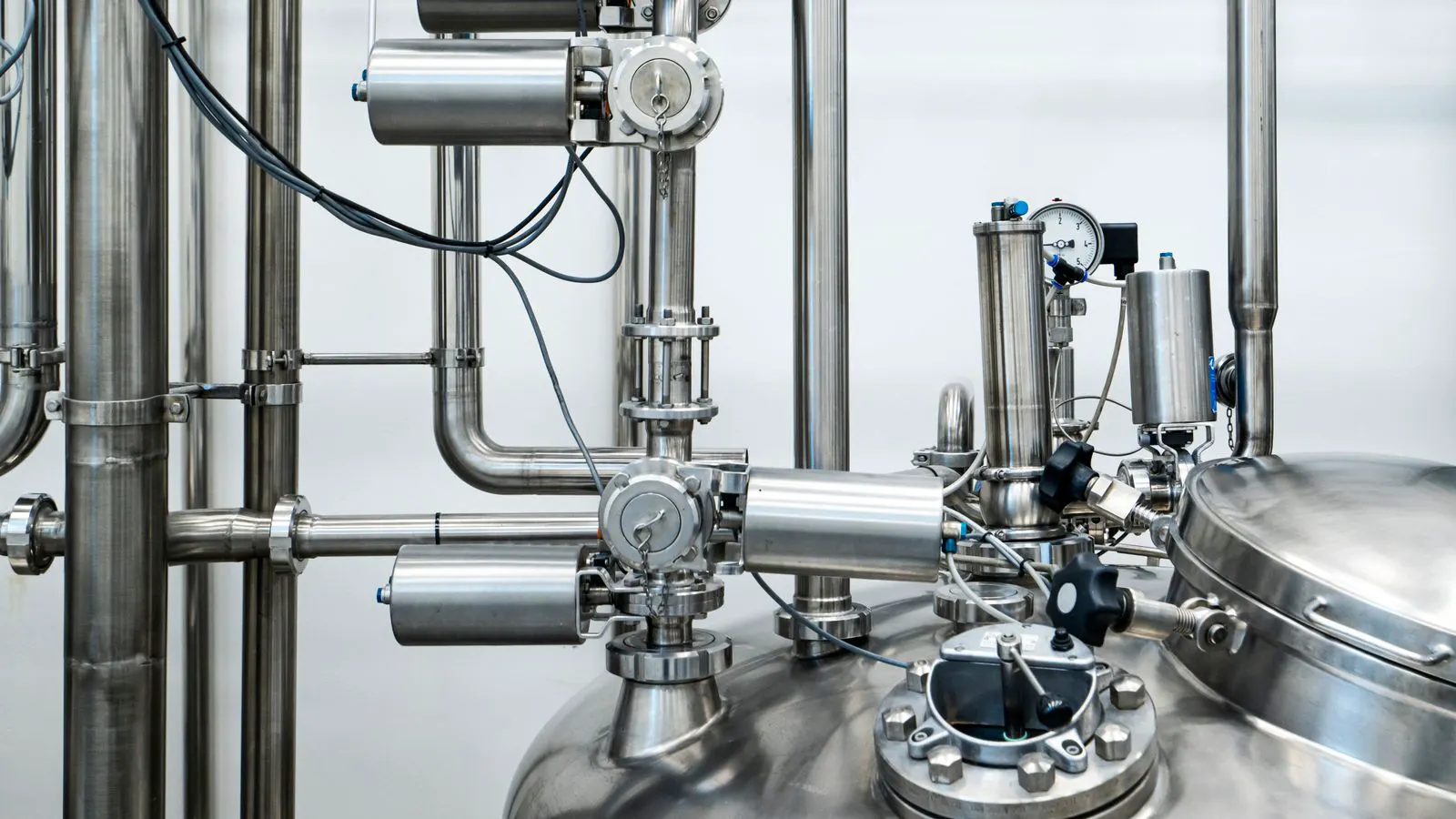
The effectiveness of either cleaning method depends on the machine’s design. For CIP, equipment needs smooth surfaces, no dead legs, and proper nozzle placement to ensure flow coverage. For manual cleaning, the design must allow safe access for brushes and hoses.
Hygienic machinery should include removable parts, easy-to-clean seals, and sufficient drainage. Regardless of method, the goal is to minimize areas where product residue can accumulate. Many modern machines are designed to support both methods, giving operators flexibility.
How to Choose the Right Cleaning Method
Start by assessing your production profile. High-volume, continuous lines typically favor CIP cleaning. Low-volume or batch-based lines may benefit from manual or semi-automated approaches. Consider the hygiene risk of the product; higher risk generally supports automated, repeatable cleaning.
Evaluate your labor availability and budget. If skilled cleaning staff are scarce or expensive, CIP may offer better value. If capital is constrained, manual cleaning may be the initial choice, with an upgrade path planned.
Finally, test the cleaning process. Run validation trials with both methods to measure cleanliness, cycle time, and resource usage. This data will help you make an informed decision based on your specific line conditions.
Final Thoughts
There is no single best cleaning method for every food processing line. CIP cleaning offers speed, consistency, and labor savings, making it ideal for high-throughput operations. Manual cleaning provides flexibility and lower upfront cost, suited for smaller or more variable setups. By aligning the cleaning method with your production needs, hygiene standards, and financial constraints, you can maintain a clean, efficient, and compliant line.
Frequently asked questions
Is CIP cleaning always more hygienic than manual cleaning?
Not necessarily. Hygiene depends on proper execution. A well-managed manual process can be just as effective, while a poorly designed or maintained CIP system can leave residues.
How much does CIP cleaning save on labor costs?
Savings vary widely. In high-volume lines, it can reduce cleaning labor by 50–70%. In low-volume settings, savings may be minimal or offset by higher capital costs.
Can small equipment use CIP cleaning?
Some small equipment can, but it is often impractical due to cost and plumbing complexity. Manual or semi-automated methods are more common for small tools and components.
What is the most common reason for CIP failure?
Inadequate flow coverage, clogged nozzles, or insufficient dwell time are frequent causes. Regular maintenance and proper design are key to preventing failures.
Can I switch from manual to CIP cleaning later?
Yes, but it requires equipment modifications such as adding ports, seals, and plumbing. The feasibility depends on the machine’s original design and condition.