Batch processing wins on flexibility and low capital cost for variable volume. Continuous processing delivers better operating ROI through higher throughput, energy efficiency, and consistent output. Your choice depends on product mix and volume stability.
- Batch processing suits variable product lines and lower capital budgets.
- Continuous processing delivers stronger operating ROI through higher throughput and consistent energy use.
- Operating costs, including labor, energy, and maintenance, drive the long-term financial difference.
- Run a cost analysis before committing to either method.
- Match the processing method to your volume stability and product mix.
What Drives Operating ROI in Food Processing
Operating ROI is not a single number. It is a function of what your machinery does every hour. Energy per kilogram of product, labor hours per shift, downtime between changeovers, and maintenance intervals all feed into the final return. The question is which method keeps those numbers in your favor.
Batch processing runs a fixed quantity, stops, cleans, changes over, and restarts. Continuous processing moves product through a line without stopping. The financial difference shows up in throughput, consistency, and the cost of the idle time between batches. When you evaluate a line, you must look at the total cost of ownership, not just the purchase price. A line that runs slowly but never stops may cost less to operate per unit than a line that runs fast but requires extensive cleaning between runs. The machinery must match the production profile of the plant. If the product is stable, the process should be stable. If the product changes, the process must be flexible.
How Batch and Continuous Processing Compare on Key Metrics
| Option | Best for | Limitations |
|---|---|---|
| Batch processing | Variable product lines, lower capital budgets, small to medium volumes | Downtime between batches, inconsistent output, higher labor per unit |
| Continuous processing | High throughput, stable product mix, long production runs | Higher capital cost, inflexible changeovers, complex startup and shutdown |
| Hybrid approach | Mixed volume, seasonal peaks, multi-product operations | Requires more engineering, higher complexity, longer payback period |
| Semi-continuous processing | Moderate volumes, products that benefit from controlled hold time | Lower throughput than full continuous, still some changeover cost |
Batch processing gives you flexibility. You can run a small batch of one product, then switch to another with a changeover. The capital outlay is generally lower. The trade-off is that every changeover eats into your operating margin. The equipment sits idle while operators clean, recalibrate, and verify the next batch. Consider a mixing or filling line that handles different flavors. The first batch of the day often requires a purge run to clear the previous product from the tubes and valves. That purge material may need to be discarded or sold as a lower-grade item. This scrap cost is a direct hit to the ROI.
Continuous processing removes that idle time. Product moves through the line, and the equipment stays on. Energy use per unit drops because the system operates at a steady state. Labor per unit falls because fewer operators are needed per tonne of output. The result is a lower operating cost per kilogram. For example, a continuous extrusion line for snacks maintains a constant temperature and pressure. The product quality remains uniform because the machine does not cycle on and off. The motors run at a constant speed, which reduces wear on the drive systems.
Where Operating Costs Break Down
Operating costs are where the real difference shows. For batch processing, the major cost drivers are labor, energy, and changeover time. Each changeover requires cleaning, validation, and sometimes a startup batch that may not meet specification. That startup material becomes scrap or rework. In a batch fermenter, for instance, the time spent sterilizing the vessel after a run is significant. The steam costs, the labor to scrub the interior, and the time the vessel is unavailable all add up. If you run three products a week, you are paying for that cleaning three times.
For continuous processing, the major cost drivers are energy, maintenance, and the cost of the line itself. Energy per unit is lower because the system runs at steady state. Maintenance is scheduled rather than reactive. The line does not cycle on and off, which reduces wear on seals, bearings, and gaskets. A continuous pasteurization line, for example, uses a heat exchanger that operates at a constant flow rate. The thermal load is stable, which allows for more precise energy management. The maintenance team can replace seals during planned downtime rather than reacting to a leak that stops production.
A simple cost analysis reveals the pattern. If your plant runs the same product for weeks at a time, continuous processing gives you a clear operating cost advantage. If your plant rotates through multiple products with short runs, batch processing keeps your labor and changeover costs from eroding the benefit of higher throughput. You must also consider the cost of utilities. In a batch system, you pay for heating and cooling every time you start up. The thermal mass of the equipment must be brought to temperature. This energy cost is higher per unit of product than in a continuous system where the temperature is maintained.
When to Pick Batch Processing
Pick batch processing when your product mix changes often. If you run several SKUs with short run times, the flexibility of batch processing protects your operating ROI. You are not locked into one product for days. You can respond to demand shifts without losing a full line changeover. This is common in specialty food manufacturing. A plant that makes artisanal sauces or small-batch baked goods often relies on batch processing. The variety of flavors and ingredients makes continuous processing impractical. The equipment can be reused for different formulations. The cleaning process, while time-consuming, is manageable within a shift.
Batch processing also suits lower capital budgets. The initial investment is smaller, which lowers the payback period threshold. For a plant that is still growing, or that serves a regional market with variable demand, the lower upfront cost and shorter payback period matter more than the operating efficiency of a continuous line. A small facility producing frozen fruits may use batch freezing. The product is packed into containers, and the freezer runs in cycles. The capital cost is lower than a continuous tunnel freezer, and the flexibility allows the plant to produce different sizes of packages.
The limitation is clear. Every changeover is a cost. Every idle hour is a lost operating day. If your plant runs the same product for long stretches, you are leaving operating ROI on the table by using batch processing. The labor cost per unit rises because the same team handles multiple tasks: loading, cleaning, unloading, and recalibrating. The energy cost per unit rises because the equipment is not running at optimal efficiency.
When to Pick Continuous Processing
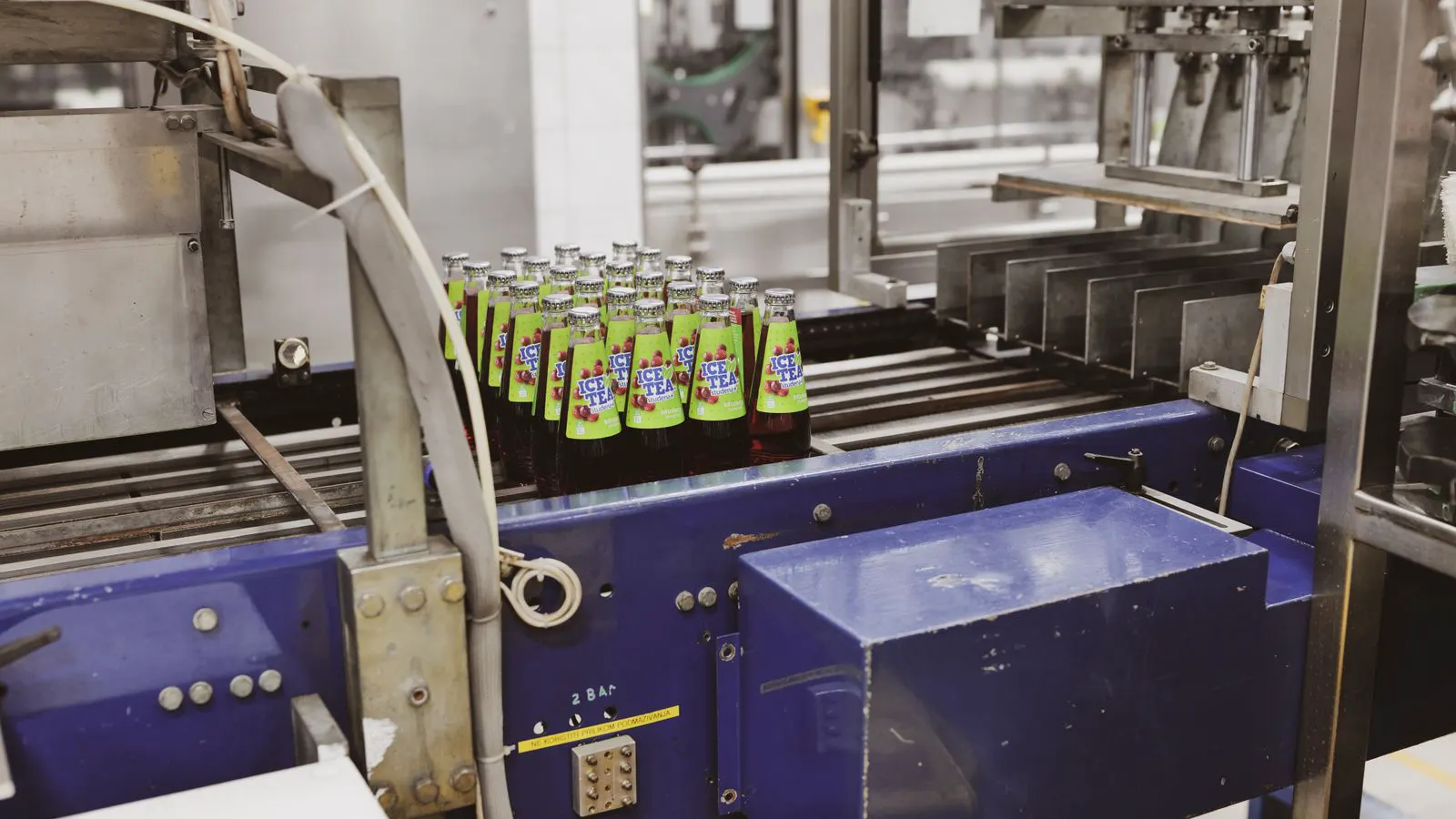
Pick continuous processing when your volume is stable and your product mix is narrow. A plant that runs the same product for weeks at a time gets the full benefit of steady-state operation. Energy per unit drops. Labor per unit drops. Downtime between batches disappears. This is typical in large-scale beverage production or grain milling. A bottling line that runs the same soda for months has no changeover cost. The line runs at a constant speed, and the operators monitor quality and packaging. The energy use per bottle is minimized because the system is designed for high throughput.
Continuous processing also suits plants that prioritize consistency. The output is uniform because the process does not cycle. Quality variation is lower. That consistency reduces the cost of rework and customer complaints, which are operating costs that do not always show up on the balance sheet. In a continuous coating line for chocolate, the thickness of the coating is controlled by the speed of the conveyor and the viscosity of the chocolate. The product is uniform from the first bar to the last. This reduces waste from defective products and improves brand reputation.
The limitation is flexibility. If your product mix changes, the changeover cost on a continuous line is higher than on a batch line. You may need to run a transition batch, clean the line, and validate the new product before resuming full production. That transition time is a direct hit to your operating ROI. For example, switching from a clear beverage to a colored beverage in a continuous line requires cleaning the filters, tubes, and filling nozzles. The process takes time and generates waste.
Hybrid and Semi-Continuous Options
Some plants do not need a full choice between batch and continuous. A hybrid approach uses continuous processing for the stable core products and batch processing for the variable or seasonal items. A semi-continuous approach runs product through a line with controlled hold times, which works for products that need a set reaction time but do not require full continuous flow.
The hybrid approach increases complexity. You need two systems, or one system that can switch modes. The engineering effort is higher. The payback period is longer. But the operating ROI can be stronger than either pure method when your demand profile is mixed. Consider a plant that produces both a regular juice and a seasonal fruit puree. The regular juice can run on a continuous line, while the seasonal puree can be processed in batches. This allows the plant to maximize throughput during the high-demand period for the regular juice while handling the seasonal puree without disrupting the main line.
A cost analysis of a hybrid plant requires careful modeling. You need to estimate the percentage of run time each mode will use. You need to account for the changeover cost when switching between modes. You need to factor in the maintenance requirements for both the continuous and batch components. The semi-continuous option is useful for products that require a specific reaction time. For example, a dough may need to proof for a set duration before being cut and baked. A semi-continuous line can move the dough through a holding tunnel where the temperature and humidity are controlled. This ensures uniform quality without the need to stop the line for each batch.
How to Calculate the Real Operating ROI
Do not rely on vendor claims. Build your own model. Start with the capital cost of the equipment. Add installation, commissioning, and the cost of any utility upgrades. That is your total initial investment. You must also consider the cost of spare parts and the training of your staff. These are often overlooked but can add significantly to the initial outlay.
Next, project the operating costs over a ten year horizon. Energy per unit is the first line item. Use your actual utility rates and the expected run rate. Labor per unit is the second. Count the operators needed per shift and their loaded cost. Maintenance is the third. Schedule preventive maintenance and budget for reactive repairs. You should also include the cost of quality control and testing. In food processing, quality checks are frequent. The cost of these checks, including the equipment and the labor, must be included in the operating costs.
For batch processing, add the changeover cost. Estimate the number of changeovers per month, the labor hours per changeover, and the scrap or rework cost per changeover. For continuous processing, add the transition cost when switching products, if applicable. The ROI is the net present value of the cash flows divided by the total investment. A continuous line may show a lower initial ROI because the capital cost is higher. But the operating costs per unit are lower. Over time, the total return can exceed the batch alternative.
Final Selection Criteria
The decision comes down to three factors. Volume stability determines whether the steady-state benefit of continuous processing is available to you. Product mix determines whether the flexibility of batch processing is worth the lower throughput. Capital budget determines which method you can afford to install and maintain. You must also consider the skill level of your workforce. A continuous line requires operators who can monitor complex systems and respond to minor issues quickly. A batch line may require operators who are skilled in manual tasks and changeover procedures.
If your volume is stable and your product mix is narrow, continuous processing delivers stronger operating ROI. If your volume is variable and your product mix is broad, batch processing protects your operating ROI by keeping capital costs low and changeover costs manageable. If you have a mixed demand profile, model a hybrid approach before committing.
Run the cost analysis. Use your actual numbers, not vendor estimates. The operating ROI will tell you which method keeps your plant profitable over the long term. You should also consider the future. If your plant plans to expand, a hybrid approach may give you more flexibility. If your plant plans to focus on a single product, a continuous line may be the best choice. The key is to match the process to the production profile. The machinery is only as good as the decision to buy it.
Frequently asked questions
Which method has lower energy costs per unit?
Continuous processing generally has lower energy costs per unit because the system operates at steady state. Batch processing cycles on and off, which increases energy per kilogram of product.
How does product mix affect the ROI decision?
A narrow product mix favors continuous processing because the line runs at full efficiency for long periods. A broad product mix favors batch processing because the changeover cost on a continuous line erodes the operating benefit.
What is the main operating cost difference between the two methods?
The main difference is changeover cost. Batch processing has lower changeover cost but more frequent changeovers. Continuous processing has higher changeover cost but fewer changeovers. The total changeover cost per month determines the operating advantage.
Can I switch from batch to continuous later?
It depends on your plant layout and product. A retrofit is possible but costly. The utility infrastructure, line layout, and control system often need to change. A cost analysis should be done before committing to either method.
Does the payback period differ between batch and continuous?
Yes. Batch processing has a lower initial cost, which shortens the payback period. Continuous processing has a higher initial cost but lower operating costs per unit, which can lead to a stronger total return over the equipment life.